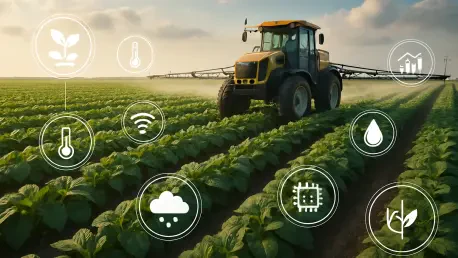

Imagine a world where farmers can predict crop failures before they happen, optimize every drop of water, and feed billions without harming the planet. This isn’t a distant dream but a reality unfolding right now in the digital agriculture sector. With the global population on track to reach 9.7 billion by 2050, as projected by the Food and Agriculture Organization, the pressure to produce more food sustainably has never been greater. Enter digital agriculture—a game-changer blending cutting-edge tech like Artificial Intelligence (AI), the Internet of Things (IoT), and satellite monitoring to revolutionize farming. Forecasts show this market soaring from its current value to an impressive $35.9 billion by 2030, fueled by a compound annual growth rate of 10.90%. What’s driving this boom, and how is technology reshaping the fields? Let’s dig into the forces propelling this transformation, the hurdles in the way, and the regions leading the charge in this agricultural renaissance.
Tech Innovations Fueling a Farming Revolution
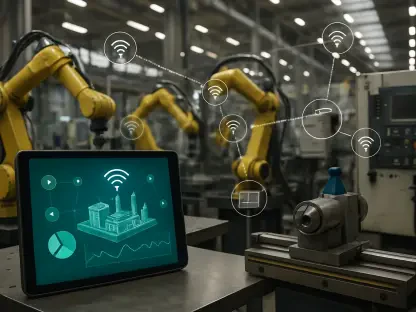
The heart of digital agriculture lies in its ability to turn data into decisions, and nowhere is this more evident than in the adoption of IoT and AI. IoT-powered tools, like GPS-enabled tractors, allow farmers to plant with pinpoint accuracy, slashing fuel use and saving time. Meanwhile, AI crunches massive datasets to predict weather shifts or pest outbreaks, giving growers a heads-up to act fast. These advancements aren’t just about efficiency; they’re about survival in a world demanding more food with fewer resources. As consumer awareness grows around nutrition and sustainability, farmers feel the push to minimize chemical inputs while maximizing output. Digital tools offer a lifeline, enabling real-time insights that traditional methods can’t match. It’s a shift from guesswork to precision, ensuring every seed has the best shot at thriving. The result? Healthier crops, less waste, and a step closer to meeting global food security goals that once seemed out of reach.
Beyond the tools themselves, satellite-based monitoring stands out as a quiet hero in this tech wave. It provides a bird’s-eye view of fields, tracking vegetation health and spotting issues like drought stress before they spiral. This isn’t science fiction—it’s a practical solution already helping farmers make smarter calls on irrigation or fertilization. However, the real magic happens when these technologies integrate, creating a seamless flow of information from soil to screen. A farmer in a remote area can now access data that rivals what large agribusinesses use, leveling the playing field in unexpected ways. Yet, while the potential dazzles, adoption isn’t universal. The complexity of weaving these systems together often slows progress, especially for those new to digital platforms. Still, as tech becomes more user-friendly, the promise of higher yields and sustainable practices keeps driving interest across the globe.
Challenges Blocking Widespread Adoption
Even with dazzling innovations, the road to a fully digital agricultural landscape is far from smooth. High costs top the list of barriers, particularly for small-scale farmers in developing regions where budgets are tight and infrastructure lags. Dropping thousands on IoT sensors or AI software isn’t feasible for many, even if the long-term savings are clear. Beyond finances, there’s the hurdle of know-how—operating these systems requires skills that aren’t always taught in traditional farming communities. Without training, even the best tools gather dust. Then there’s the issue of data privacy, a growing concern as farms become more connected. Who owns the insights gathered from a field, and how are they protected? These questions linger, creating hesitation among growers wary of losing control over their information. Until affordable, accessible solutions emerge, the digital divide in agriculture risks widening.
Moreover, integrating diverse technologies poses its own puzzle. A farmer might have satellite imagery from one provider and IoT sensors from another, but getting them to “talk” to each other isn’t always straightforward. Compatibility issues can frustrate even tech-savvy users, stalling the efficiency that digital agriculture promises. On top of that, regional disparities in internet access and power reliability add another layer of difficulty, especially in rural areas of emerging markets. While the vision of a connected farm is compelling, the reality often involves patchwork solutions that don’t scale easily. Addressing these challenges requires more than innovation; it demands collaboration between tech companies, governments, and agricultural bodies to craft systems that work for everyone. Only then can the full potential of this market be unlocked, ensuring no farmer is left behind in the rush to modernize.
Regional Powerhouses and Growth Hotspots
Geographically, the digital agriculture market paints a varied picture, with North America leading the charge thanks to hefty investments and a robust farming base. The United States, in particular, has embraced precision agriculture, pouring resources into tools that boost productivity while cutting environmental impact. Large-scale operations here benefit from access to capital and cutting-edge tech, setting a benchmark for what’s possible when infrastructure supports innovation. It’s no surprise this region holds a significant market share, as early adoption of IoT and AI has already reshaped how many farms operate. Government support and private partnerships further fuel this momentum, creating a fertile ground for testing and scaling new solutions. For other regions, North America’s success offers a roadmap, showing how policy and investment can accelerate digital transformation in agriculture.
Meanwhile, the Asia-Pacific region emerges as the fastest-growing hotspot, driven by sheer necessity. With massive populations in countries like China and India, food demand is skyrocketing, pushing local farmers to adopt digital tools at a rapid pace. Here, the focus isn’t just on efficiency but on feeding millions sustainably. Governments in this region are stepping up with initiatives to expand digital infrastructure, while tech providers tailor solutions to fit smaller, resource-constrained farms. Europe, South America, and the Middle East and Africa also show steady progress, each with unique priorities shaped by local conditions. Whether it’s water scarcity in arid zones or soil health in older farming belts, digital agriculture adapts to address specific needs. This global mosaic of adoption rates and challenges highlights a key truth: while the tech is universal, its impact depends heavily on where it’s applied and how it’s supported.
Shaping the Future of Food Production
Reflecting on the journey of digital agriculture so far, it’s clear that technology had already begun to redefine farming in remarkable ways by the close of recent years. The strides made with IoT, AI, and satellite monitoring laid a foundation for tackling food security challenges that once seemed insurmountable. Market growth projections pointed to a value of $35.9 billion by 2030, a testament to the industry’s belief in these tools. Looking back, the emphasis on sustainability and precision had started to shift mindsets, even as hurdles like cost and access persisted. Those early efforts by key players to forge partnerships and innovate stood as critical stepping stones, proving that collaboration was as vital as invention.
Moving forward, the focus must pivot to actionable strategies that build on past lessons. Developing cost-effective technologies tailored for small-scale farmers could bridge existing gaps, while expanded education programs might empower growers with the skills needed to thrive in a digital era. Policymakers and industry leaders should prioritize inclusive frameworks, ensuring that even remote regions gain access to reliable internet and training. Encouraging dialogue between tech developers and farming communities could spark solutions that truly fit real-world needs. As this market continues to evolve, the blend of innovation and outreach will likely determine how effectively digital agriculture feeds the world while preserving its resources for generations to come.