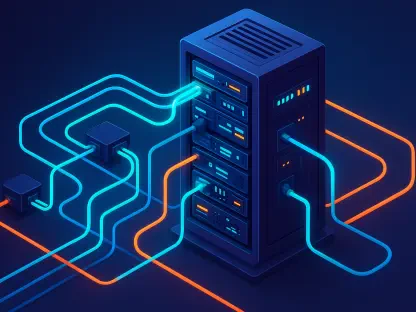

Supplying a 100-megawatt load via trucked gas requires a continuous stream of trailers, as a single large unit provides only about forty minutes of electricity for a data center. This logistical bottleneck is the primary hurdle for Oracle Corporation as it shifts from its traditional software roots
Input-output interference acts as a significant bottleneck in virtualized systems when several virtual machines attempt to access disk or network channels at once. This challenge is magnified when trying to migrate complex computing tasks from stable ground-based facilities to the dynamic,
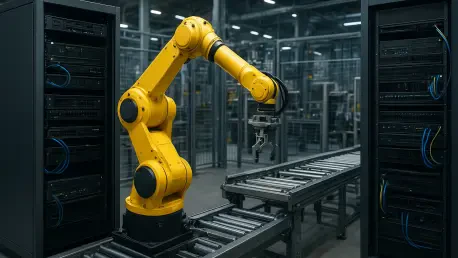
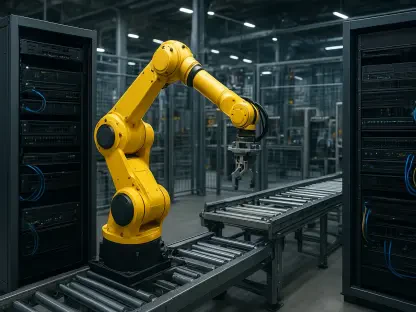
In the high-speed corridors of a modern fulfillment center, a five-ton autonomous mobile robot carrying a heavy pallet of consumer electronics suddenly grinds to a halt because it missed a single millisecond of data, effectively turning a marvel of engineering into a massive, immovable paperweight.

The architectural shift in enterprise AI has reached a tipping point, moving away from the frantic, fragmented implementations of previous years toward a more cohesive, integrated strategy. As organizations move beyond the experimental phase, the focus has pivoted from simply making AI work to
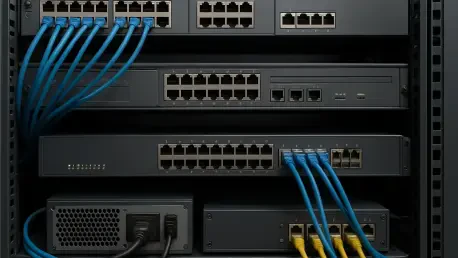
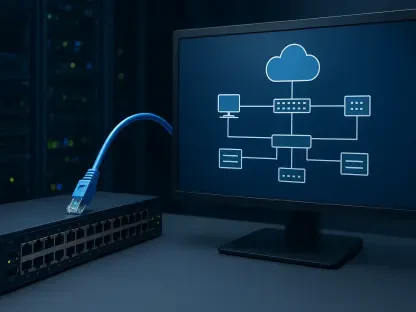
Power over Ethernet has transitioned from a simple phone power source to the primary energy delivery system for industrial cameras, access points, and advanced IIoT sensors. This fundamental shift has redefined the architecture of modern American infrastructure, moving away from fragmented power
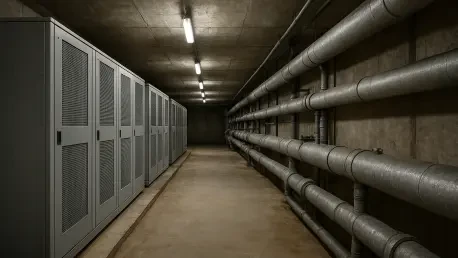
Researchers are exploring the potential of repurposing 141,000 abandoned oil and gas wells across the United States to function as ready-made thermal storage units. This endeavor seeks to solve a fundamental inefficiency in the digital economy: the massive discharge of thermal energy from data
1 2 3 4 5 6 7 8 9 10 11 12 13 14 15 16 17 18 19 20 21 22 23 24 25 26 27 28 29 30 31 32 33 34 35 36 37 38 39 40 41 42 43 44 45 46 47 48 49 50 51 52 53 54 55 56 57 58 59 60 61 62 63 64 65 66 67 68 69 70 71 72 73 74 75 76 77 78 79 80 81 82