

The landscape of modern medicine is witnessing a profound migration as clinical oversight leaves the sterilized halls of the hospital and enters the private residence of the individual patient. Industry data suggests that the connected home medical monitoring sector will experience a compound
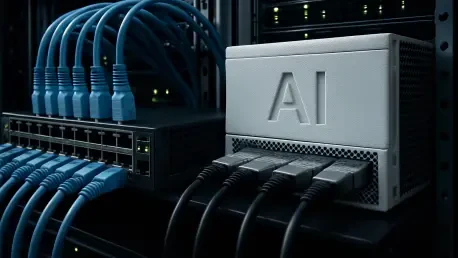
SONiC separates the software controlling a network from the switches beneath it, giving operators a common operating system across hardware suppliers. At the Open Compute Project (OCP) Global Summit, Cisco, Microsoft, and Nokia backed its role in Ethernet networks serving AI workloads. Their
While enterprise and hyperscale cloud operations are becoming the standard, most IT departments are still struggling with immature security strategies. Even as ninety-three percent of organizations have moved their primary production workloads into cloud environments, the actual sophistication of
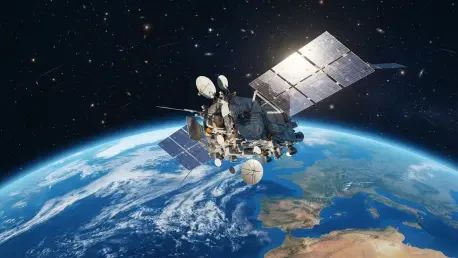
The rapid evolution of space-based internet is rewriting the rules of connectivity across the African continent. Technological improvements in the satellite sector have stabilized data transmission quality to the point where voice-over-IP services are now seamless for remote workers. This shift

While Delta relies on established providers like Viasat, United is betting that the physical superiority of SpaceX’s Starlink hardware will redefine passenger expectations. This strategic pivot marks a significant escalation in the ongoing battle for the sky’s most profitable travelers. By
Modern corporate security frameworks often prioritize internal threat detection, yet a sophisticated and persistent campaign known as "Stray Cat" has demonstrated that the most significant risks frequently originate at the unmonitored edge of the network. This operation, meticulously documented

By leveraging Thales-based infrastructure through SIMPL’s EverSIM, CSL Group ensures that its new North American clients have access to 5G Standalone and NB-IoT capabilities. This strategic maneuver addresses a long-standing friction point in the Internet of Things ecosystem, where the transition
Navigating the Intersection of Container Orchestration and Artificial Intelligence The rapid evolution of artificial intelligence has transformed infrastructure requirements from a secondary concern into a primary strategic bottleneck for modern global enterprises. As companies transition from

The relentless expansion of the digital attack surface has transformed the modern Security Operations Center into a high-pressure environment where data volume consistently outpaces human processing power. In 2026, the sheer velocity of incoming telemetry from distributed cloud environments and

The airline's strategic rollout of satellite hardware includes sophisticated software capable of accounting for real-time aircraft substitutions to maintain accurate passenger expectations. This initiative marks a significant milestone in fleet modernization, as United Airlines has successfully
1 2 3 4 5 6 7 8 9 10 11 12 13 14 15 16 17 18 19 20 21 22 23 24 25 26 27 28 29 30 31 32 33 34 35 36 37 38 39 40 41 42 43 44 45 46 47 48 49 50 51 52 53 54 55 56 57 58 59 60 61 62 63 64 65 66 67 68 69 70 71 72 73 74 75 76 77 78 79 80 81 82


