
Imagine a world where businesses can slash IT costs, boost system uptime, and shrink their environmental footprint all at once—sounds like a tall order, right? Yet, this is exactly the promise of third-party hardware maintenance services for data centers and networks, a market currently pegged at $4.2 billion and racing toward an impressive $8.1 billion by 2030. This surge, driven by a robust compound annual growth rate of 11.6%, signals a seismic shift in how companies manage their critical infrastructure. As digital transformation accelerates, the pressure to keep systems running smoothly without breaking the bank has never been higher. Third-party providers are stepping up, offering solutions that challenge the old reliance on costly manufacturer contracts. This growing trend isn’t just about savings; it’s about smarter, more sustainable ways to support the backbone of modern business. So, what’s fueling this transformation, and how are innovations and business needs reshaping the landscape? Let’s dive into the forces driving this dynamic market.
Evolving Business Priorities in IT Maintenance
Shifting Away from Traditional Models
The landscape of IT maintenance is undergoing a profound change as companies rethink their dependence on Original Equipment Manufacturer (OEM) contracts. Historically, businesses leaned on these agreements for hardware support, often at a steep price and with little flexibility. Now, a growing number of organizations are turning to third-party maintenance providers to manage both cutting-edge and legacy systems. This pivot is largely driven by the need for tailored solutions that align with specific operational goals, such as extending hardware lifecycles and cutting costs. Beyond financial benefits, this shift reflects a broader commitment to sustainability, as third-party services help reduce electronic waste by keeping older systems functional for longer. The result is a more agile approach to IT management, where adaptability trumps the one-size-fits-all model of the past. As companies navigate increasingly complex digital environments, the appeal of customized maintenance grows stronger, positioning third-party providers as vital partners in this journey.
Balancing Cost and Environmental Impact
While cost savings remain a key motivator, the environmental implications of hardware maintenance are gaining equal attention in today’s business world. Organizations are under mounting pressure to adopt practices that minimize their ecological footprint, and third-party maintenance offers a compelling path forward. By refurbishing and supporting aging equipment, these providers help prevent unnecessary disposal of hardware, a major contributor to e-waste. Moreover, they enable firms to delay costly upgrades, preserving resources without sacrificing performance. This dual focus on affordability and green practices resonates deeply with modern corporate values, especially as stakeholders demand accountability on sustainability fronts. The data center industry, often criticized for its energy intensity, finds in third-party services a way to align operational needs with planetary responsibility. This balance isn’t just a trend; it’s becoming a benchmark for responsible IT management, shaping how businesses plan for the long term.
Technological Innovations Driving Market Growth
Harnessing AI and Remote Monitoring
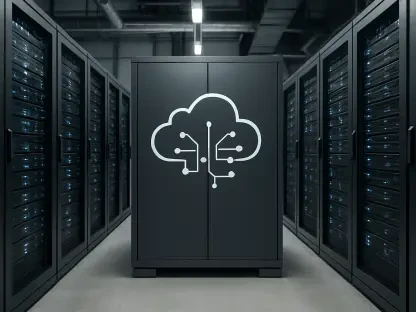
At the heart of the third-party maintenance boom lies a wave of technological advancements that are redefining how hardware support is delivered. Artificial intelligence (AI) and machine learning (ML) are leading the charge, empowering providers to predict equipment failures before they disrupt operations. This predictive capability transforms maintenance from a reactive chore into a proactive strategy, slashing downtime and saving costs. Remote monitoring tools further amplify this efficiency by offering real-time insights into system health, often eliminating the need for on-site visits. Such innovations mean faster response times and less disruption for businesses that can’t afford even a momentary lapse in service. As data centers grow more intricate, these technologies provide a lifeline, ensuring that sprawling networks of hardware operate seamlessly. The integration of AI and remote systems isn’t just a flashy upgrade—it’s a fundamental rethinking of maintenance that prioritizes precision and foresight over guesswork.
Streamlining Operations with Cloud-Based Tools
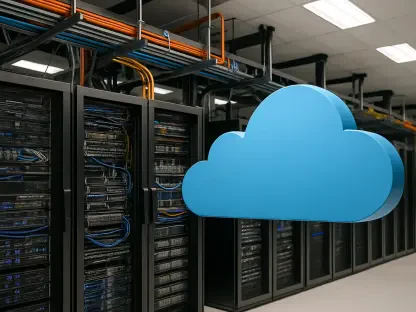
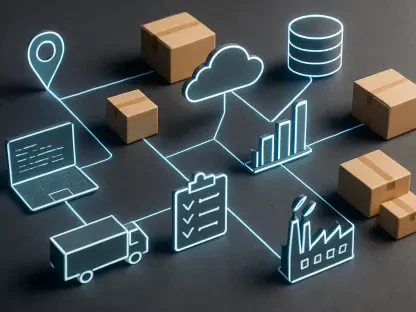
Beyond AI and remote monitoring, cloud-based maintenance management systems are carving out a significant role in this evolving market. These platforms centralize critical functions like tracking service histories, analyzing performance data, and managing workflows, creating a streamlined experience for both providers and clients. Imagine the chaos of juggling multiple systems without a unified view—cloud tools eliminate that headache, offering transparency and control at the click of a button. Additionally, they enhance inventory management by ensuring spare parts are available exactly when needed, reducing delays. This efficiency is particularly crucial for businesses running hybrid or multi-vendor environments, where complexity can easily spiral. As more organizations adopt cloud solutions, the maintenance process becomes less of a burden and more of a strategic asset. This shift underscores a broader truth: technology isn’t just supporting the market’s growth; it’s accelerating it, paving the way for smarter, more connected IT ecosystems through 2030 and beyond.
Looking Back at a Market Transformed
Reflecting on the trajectory of third-party hardware maintenance for data centers and networks, it’s evident that both innovation and necessity played pivotal roles in shaping a market that soared from $4.2 billion to a projected $8.1 billion over a span of years. Businesses turned away from rigid OEM contracts, embracing flexible, cost-effective solutions that also championed sustainability. Technologies like AI, machine learning, and cloud systems redefined what maintenance could achieve, cutting downtime and enhancing efficiency. Moving forward, the challenge lies in scaling these advancements to meet the demands of increasingly intricate IT landscapes. Companies should prioritize partnerships with providers who blend cutting-edge tools with a deep understanding of legacy systems. Additionally, aligning maintenance strategies with environmental goals will remain critical. This market’s evolution offers a blueprint for balancing progress with responsibility—a lesson worth carrying into future endeavors.