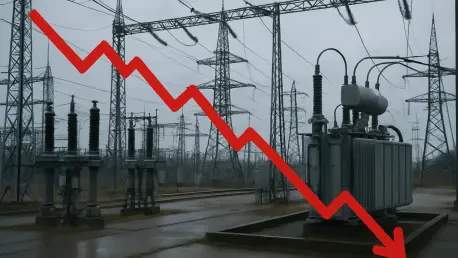

Across the United States, millions of Americans opening their utility bills in 2025 are experiencing a jarring sticker shock, as a confluence of powerful forces has driven the average cost of electricity up by a staggering 13%. This significant financial strain on both households and businesses is not the result of a single, isolated event but rather the culmination of decades of neglect and compounding economic pressures. While emerging technologies like electric vehicles and power-hungry artificial intelligence data centers are often cited in political discourse as the primary culprits, a more thorough analysis reveals a far more complex and troubling reality. The true drivers of these escalating costs are rooted in the systemic fragility of the nation’s aging power grid, the relentless impact of widespread inflation, and a series of federal and state policy decisions that have created a perfect storm for consumers. The focus on new technologies serves as a convenient distraction from the foundational cracks that threaten the reliability and affordability of this essential service.
The Crumbling Foundation
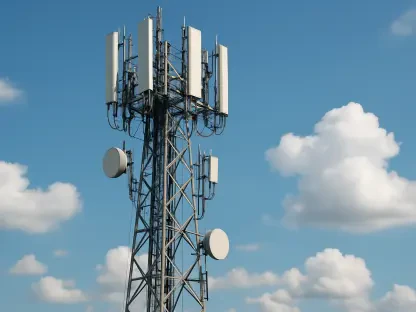
The most significant and deeply rooted cause of soaring electricity bills is the deteriorating condition of the American power grid. A vast network of transmission lines, transformers, and substations, much of which was constructed in the mid-20th century, is now long past its intended operational lifespan and is fundamentally ill-equipped to meet the baseline needs of a modern economy, let alone the demands of population growth and industrial expansion. This has created an urgent and non-negotiable need for massive, system-wide investment in maintenance, modernization, and expansion projects. Utilities are now in a race against time to overhaul this critical infrastructure, and the colossal expenses associated with these repairs and upgrades are the primary culprit behind the rate hikes seen nationwide. These costs are recovered directly from consumers through rate cases approved by state regulators, who are caught in the difficult position of balancing the absolute necessity of a reliable grid against the immediate affordability for residents and businesses. This cycle of deferred maintenance has finally come due, and the bill is now being passed to the American public.
This foundational challenge of physical decay is being severely amplified by powerful economic headwinds that have swept across the country. Persistent and widespread inflation has directly increased the cost of every component and service required for grid maintenance and expansion. The price of essential materials like steel for transmission towers, copper for wiring, and specialized electrical transformers has skyrocketed, while a tight labor market has driven up the wages for the skilled workforce needed to install and maintain them. Adding another layer of financial instability is the volatility of natural gas prices, which remains a dominant fuel source for electricity generation in many regions. Even during temporary price dips, the overall trend of fluctuation and uncertainty is passed on to consumers, making their monthly bills less predictable and, on average, significantly higher. Furthermore, federal policies have played a critical, if indirect, role in this price surge. Tariffs imposed on imported goods essential for energy infrastructure have inadvertently inflated the cost of critical components, contributing directly to the higher rates that households are now facing.
New Stresses on an Old System
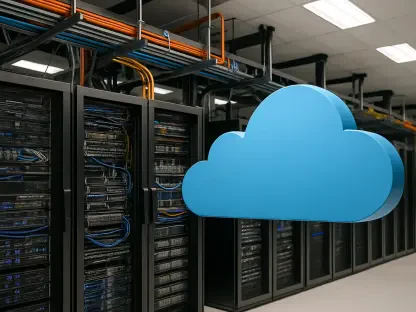
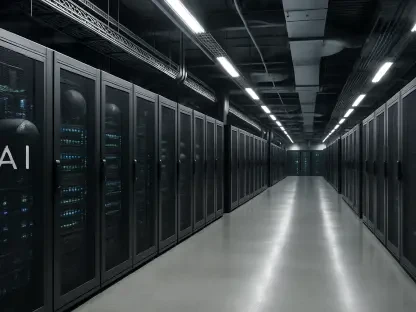
While not the primary drivers of the crisis, the rapidly growing electricity demands from new technologies are acting as powerful amplifiers, multiplying the strain on an already overburdened system. The explosive growth of data centers needed to support artificial intelligence has created an unprecedented appetite for energy, placing immense stress on local grids in regions with high concentrations of these facilities, such as Northern Virginia and parts of Texas. This has led to targeted rate increases in those areas as utilities scramble to build new infrastructure to serve these massive new loads. However, the political focus on these new demands often serves as a convenient distraction from the more significant systemic issues of infrastructure decay and insufficient generation. It is also important to note that data centers frequently negotiate direct, long-term power deals with utilities, which can sometimes insulate residential ratepayers from the full, immediate cost of their consumption, though the overall strain on the grid eventually affects everyone.
In a similar vein, the accelerating adoption of electric vehicles (EVs) is fundamentally changing residential power consumption patterns, boosting demand and straining local distribution grids that were originally designed for much lower loads. The clustering of EV chargers in suburban neighborhoods can create power demands that far exceed the capacity of local transformers and wires, necessitating costly, localized upgrades to prevent overloads and ensure grid stability. The costs for these necessary reinforcements are typically socialized among all customers within a utility’s service area, meaning that households without an EV are also contributing to the grid enhancements required to support them. Compounding these demand-side pressures is the frustratingly slow rollout of new power sources. Despite the expansion of renewables like solar and wind, significant permitting delays and persistent supply chain bottlenecks mean that new generation capacity is not coming online fast enough to offset rising demand and the retirement of older power plants. This growing mismatch forces a greater reliance on expensive “peaking plants,” which often run on fossil fuels and are dispatched only when demand is highest, driving up wholesale electricity prices that are ultimately passed down to all consumers.
An Uneven Burden and The Path Forward
The national average increase of 13% conceals stark regional disparities, as the specific drivers and the severity of rate hikes vary significantly, creating a complex patchwork of energy affordability across the country. In the Southeast, a region heavily reliant on natural gas for power generation, price volatility in the fuel market has led to extreme fluctuations in consumer bills, with some households experiencing year-over-year jumps of 15-20%. In contrast, on the West Coast, a primary cost driver has been the massive investment in grid hardening and reinforcement projects designed to mitigate the catastrophic risk of wildfires sparked by utility equipment. In the mid-Atlantic, states like Maryland and New Jersey are facing a pronounced electricity crunch where demand is consistently outpacing supply, leading not only to higher prices but also to growing concerns about the long-term reliability of the power supply. The socioeconomic consequences of these rising costs have been profound and widespread, eroding the already thin profit margins of small manufacturers and forcing them to pass increases on to their customers, thereby contributing to broader inflation. The impact has been most acute for low-income households, which are disproportionately burdened by these rising utility costs, with past-due utility balances having reached a record high of nearly $800 per household.
Amid these challenges, a consensus emerged throughout 2025 that the financial pressure on consumers was likely to continue through 2026, though potential for long-term relief was identified as new, large-scale nuclear and renewable energy projects in development began to move closer to operation. The transition, however, was understood to be a time-intensive and often controversial process. To mitigate the crisis in the interim, utilities explored a range of innovative solutions. Demand-response programs, which financially incentivize consumers to reduce electricity usage during peak hours, were implemented more widely to lessen strain on the grid. Concurrently, the deployment of microgrids and large-scale battery storage systems was investigated as a means to enhance grid resilience and stabilize rates by storing energy when it was cheap and dispatching it during periods of high demand. From a policy perspective, a reversal of recent trends, such as the reinstatement of federal subsidies for clean energy, was debated as a way to accelerate the transition away from volatile fossil fuels. The prevailing view framed the situation as a difficult but necessary period of adjustment that could ultimately lead to greater price stability, but it required a holistic strategy that modernized infrastructure, diversified the energy supply, and protected the most vulnerable populations.