
Organizations are increasingly finding that the binary choice between public cloud and on-premises hardware is a false dilemma that limits operational flexibility. While the cloud offers rapid deployment, the hidden costs of egress fees and the lack of hardware-level control often drive enterprise leaders toward a middle ground. Colocation has emerged as the premier strategy for 2026, allowing firms to leverage third-party power, cooling, and security while maintaining physical ownership of their specialized server stacks. This model provides the high-tier reliability of a massive data center without the astronomical capital expenditure required to build a private facility from the ground up. By placing hardware in a shared but secure environment, businesses can meet stringent regulatory requirements and customize their infrastructure to a degree that multi-tenant cloud environments simply cannot match. It serves as a foundation for hybrid IT strategies that prioritize both performance and fiscal responsibility.
Physical Layout and Management Responsibilities
Optimizing Your Footprint with Rack Unit Planning
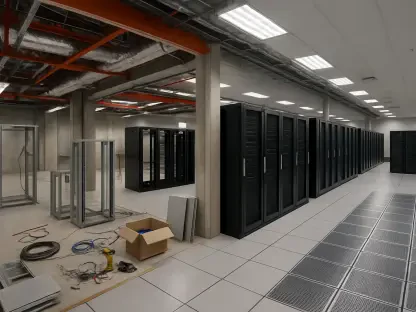
The fundamental unit of currency in the colocation world is the Rack Unit, commonly referred to as RU or simply U, which measures precisely 1.75 inches of vertical space. When planning a deployment, precision in calculating these units is the difference between a streamlined operation and a logistical nightmare involving overprovisioned costs or cramped hardware. Most modern enterprises are moving away from renting individual rack units in favor of purchasing space in bulk increments, such as half-racks or full 42U cabinets. This shift is largely driven by the need for better physical security, as a dedicated cabinet provides a lockable, private enclosure that prevents unauthorized access by other tenants. Furthermore, a full rack allows for more sophisticated airflow management and cable organization, which are critical for maintaining the thermal efficiency of high-density blade servers. Planning for 2026 to 2028 requires a buffer for unexpected hardware refreshes.
Beyond the vertical height, decision-makers must also consider the depth and width of the racks provided by the facility, as non-standard hardware like deep storage arrays or wide network switches might not fit in older cabinet designs. Proactive capacity planning involves more than just counting the current servers; it requires a detailed audit of power distribution units and vertical cable managers that consume space within the rack. By securing a full 42U rack early in the transition process, a company ensures it has the physical real estate to scale its compute power without having to migrate to a different part of the data center later. This strategic foresight also simplifies the implementation of hot aisle and cold aisle containment systems, which significantly reduce the energy needed for cooling. Transitioning from a fragmented setup to a consolidated rack structure often results in a lower price point per unit of space, maximizing the return on the infrastructure investment over several years.
Navigating the Division of Operational Labor
One of the most common misconceptions about colocation is that the provider will handle the software and internal hardware maintenance of the servers. In reality, most standard agreements are strictly unmanaged, meaning the provider’s responsibility ends at the power outlet and the cooling vent. The client remains the primary steward of the IT lifecycle, tasked with the physical racking and stacking of equipment, routine patching, and troubleshooting hardware failures. This arrangement demands a robust internal strategy for physical interventions, especially if the data center is located across the country or in a different time zone. Many organizations now rely on Remote Hands services, where on-site facility technicians perform basic tasks like toggling power switches or swapping drives under the direction of the client’s remote engineers. This hybrid labor model allows for rapid physical response times without the need to keep full-time IT staff permanently stationed at the data center.
To further bridge the distance gap, modern IT teams are increasingly deploying sophisticated remote management tools such as Intelligent Platform Management Interface (IPMI) and KVM-over-IP switches. These technologies provide BIOS-level access to servers from any location, enabling remote operating system installations and deep-level troubleshooting that would otherwise require a physical presence. However, these tools require their own dedicated network segment to remain secure and accessible even if the primary production network goes down. Building a comprehensive management framework also involves setting up clear protocols for hardware disposal and replacement delivery with the data center’s loading dock personnel. When the division of labor is clearly defined in the initial Service Level Agreement, both the provider and the client can operate with total clarity. This ensures that when a component fails at 3:00 AM, there is a pre-established plan for who enters the facility and what specific actions they are authorized to take.
Evaluating Financial and Strategic Factors
Understanding the Pillars of Pricing and Power
Navigating the financial landscape of colocation requires a deep dive into the three primary cost pillars: space, power, and connectivity. While the monthly recurring cost for the physical rack space is usually a fixed and predictable figure, power consumption remains the most volatile variable in the budget. Many facilities in 2026 utilize metered power billing, where the customer is charged based on actual kilowatt-hour usage, similar to a residential utility bill. This model is often more equitable for those with efficient hardware, but it requires diligent monitoring to prevent spikes from leading to budget overruns. Alternatively, some providers offer circuit-based pricing, where the client pays for a specific power ceiling regardless of how much they use. Choosing between these models depends on whether the workload is steady or characterized by massive surges in compute demand. Accurate forecasting of power needs is essential to avoid punitive penalties for exceeding the pre-allocated breaker limits.
Connectivity costs represent the third major pillar and are often overlooked during the initial procurement phase. Beyond the raw internet bandwidth, facilities charge cross-connect fees for the physical fiber or copper cables that link a tenant’s rack to a specific telecommunications carrier or a cloud on-ramp. These one-time and recurring fees can accumulate quickly if an organization requires redundant links to multiple providers for high availability. To manage these expenses, savvy operators analyze their average versus peak data transfer rates to select the most efficient commitment level. Long-term contracts, typically spanning from 2026 to 2029, are often the preferred method for securing price stability in a fluctuating energy market. By locking in rates for several years, businesses can protect themselves from the rising costs of industrial electricity and facility maintenance. This financial foresight allows IT leaders to present a stable and predictable infrastructure budget to executive stakeholders, even as the global demand for data processing continues to climb.
Selecting Locations Based on Performance and Reliability
The geographic placement of a colocation facility is perhaps the most critical strategic decision, as it directly impacts both application latency and legal compliance. For latency-sensitive applications like high-frequency trading or real-time video processing, every mile of physical distance adds milliseconds of delay that can degrade the user experience. Therefore, selecting a facility near major internet exchange points or close to the primary user base is paramount for ensuring high performance. Additionally, the legal jurisdiction of the data center dictates which privacy laws and data sovereignty regulations apply to the stored information. As global data protection rules become more localized, choosing a site within specific borders may be a mandatory requirement rather than a preference. Organizations must balance these technical needs with the physical risks of the location, such as the likelihood of natural disasters or the stability of the local power grid, to ensure the long-term safety of their hardware.
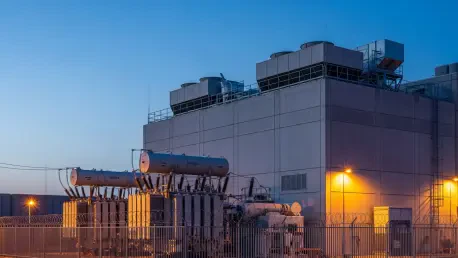
Reliability is codified in the Service Level Agreement, where five nines or 99.999% uptime has become the industry standard for enterprise-grade facilities. Achieving this level of availability requires a sophisticated infrastructure consisting of redundant power feeds from separate utility substations, massive uninterruptible power supply systems, and on-site diesel generators with several days’ worth of fuel. Cooling is equally vital; a failure in the HVAC system can lead to equipment overheating and thermal shutdown in a matter of minutes. Prospective buyers should scrutinize the facility’s maintenance records and the redundancy levels of its mechanical systems, ensuring there is no single point of failure. A facility that can maintain seamless operations even during a total local grid failure provides the peace of mind necessary for hosting mission-critical workloads. This structural resilience is what distinguishes a professional colocation provider from a simple server room, making it a cornerstone of modern disaster recovery and business continuity planning.
Prioritizing Connectivity and Modern Sustainability Goals
A modern colocation facility must act as a vibrant connectivity ecosystem, offering carrier-neutral status to provide clients with the broadest possible range of networking choices. Being carrier-neutral means the facility is not owned or operated by a single internet service provider, allowing multiple telecommunications firms to terminate their fiber lines within the building. This fosters a competitive environment where tenants can negotiate better rates and easily switch providers if service quality drops. Furthermore, it enables a multi-homed network strategy, where traffic is automatically rerouted through a secondary carrier if the primary link fails, ensuring near-constant connectivity. For companies moving toward hybrid cloud architectures, facilities that offer direct, private on-ramps to major cloud platforms are particularly valuable. These direct connections bypass the public internet entirely, providing lower latency, higher security, and reduced data egress costs for moving information between the colocation rack and the cloud.
Sustainability has moved from a secondary concern to a primary selection criterion as organizations face increasing pressure to meet environmental, social, and governance goals. Forward-thinking providers are now investing heavily in renewable energy sources like wind and solar to power their massive operations. They are also implementing advanced cooling technologies, such as liquid cooling or ambient air economization, to significantly lower their Power Usage Effectiveness (PUE) ratio. A lower PUE indicates that a higher percentage of the total energy consumed is going directly to the IT equipment rather than being wasted on overhead like lighting and cooling. By partnering with a green data center, a company can drastically reduce its overall carbon footprint without sacrificing performance. This commitment to sustainability is often accompanied by innovative water-saving measures, such as closed-loop cooling systems that minimize evaporation. As we move from 2026 into the late 2020s, the intersection of high-performance computing and environmental stewardship will define the next generation of industry leaders.
In evaluating the multifaceted landscape of colocation, the focus shifted from simple space rental to a complex strategy involving power metrics, geographic precision, and sustainable operations. Successful organizations moved beyond basic price comparisons to conduct deep audits of facility redundancy and carrier ecosystems. They prioritized the acquisition of full 42U racks to ensure long-term physical security and scalability, while simultaneously deploying remote management tools to bridge the gap between their IT teams and the physical hardware. This approach allowed for a seamless integration of owned hardware with the industrial-grade resilience of professional facilities. To move forward, decision-makers should perform a comprehensive inventory of their current power draws and connectivity needs before entering long-term negotiations. Establishing a clear roadmap for hardware lifecycle management and local maintenance support will be the final step in securing a robust infrastructure. These actions ensured that the transition to colocation delivered the intended balance of control, reliability, and cost-efficiency for the years ahead.