
The sudden migration of top-tier executive talent from traditional technology sectors into the data center industry has fundamentally altered the competitive landscape during the second quarter of 2026. This transition signifies a profound shift in how the digital infrastructure sector views its role, moving away from simple real estate management toward a sophisticated model of high-performance computing and energy orchestration. As generative artificial intelligence drives an insatiable demand for computational cycles, the leadership at major firms is no longer just focused on building bigger boxes; they are re-engineering the very DNA of their operations to address the twin challenges of severe power scarcity and the requirement for unprecedented hyperscale capacity. The result is a industry-wide transformation where the lines between energy providers, hardware manufacturers, and cloud operators are increasingly blurred, creating a new echelon of leadership that must be as proficient in grid stability as they are in digital latency.
The evolution of these leadership hierarchies reflects a maturing industry that recognizes the need for specialized expertise to navigate the complexities of a post-AI world. By restructuring executive suites to include veterans from renewable energy, global supply chain management, and high-level software engineering, data center firms are positioning themselves to manage the massive influx of capital currently flooding the sector. This strategic talent acquisition is not a peripheral movement but a central organizing principle for companies aiming to maintain a competitive advantage in an era where capacity is the ultimate currency. The overarching theme of this shift is clear: the industry is preparing for a sustained period of high-complexity growth, where the ability to scale thoughtfully and sustainably will dictate which players emerge as the dominant forces in the global digital economy.
Prioritizing Scalability and Environmental Stewardship
Leadership at the helm of major firms is increasingly prioritizing institutional stability to manage the complexities of rapid growth in an environment where speed to market is often hindered by infrastructure limitations. For example, the strategic restructuring at Stream Data Centers highlights a concerted focus on thoughtful scaling, where seasoned executives are being positioned to bridge the gap between traditional colocation and the specific, high-density needs of cloud giants. By diversifying the executive suite to include roles dedicated specifically to site acquisition and operational efficiency, these companies are ensuring they can scale quickly enough to meet the computational explosion triggered by modern AI workloads. This internal pivot toward rapid site acquisition suggests that the ability to secure viable land and fiber connectivity has become a specialized executive function, requiring a blend of local regulatory knowledge and global strategic vision.
A significant component of this new leadership paradigm is the elevation of sustainability from a secondary concern or marketing function to a core executive mandate that influences every development decision. The creation of high-level roles focused exclusively on environmental stewardship demonstrates an industry-wide commitment to aligning massive infrastructure growth with aggressive carbon-neutrality goals. Leaders are now expected to integrate sustainable practices directly into the design and development phase, ensuring that the next generation of data centers is as energy-efficient as it is computationally powerful. This shift is driven by the realization that sustainability is no longer just a corporate social responsibility goal but a business necessity for securing permits and maintaining long-term operational viability in energy-constrained markets. Consequently, the role of the Chief Sustainability Officer has evolved to become a critical partner in the engineering process, influencing everything from cooling technology to power sourcing.
Transforming Operators into Energy Pioneers
One of the most striking trends in data center leadership is the migration of energy sector veterans into executive roles at firms like Prime Data Centers, signaling a departure from passive utility consumption. These leaders are treating power availability as the primary bottleneck to AI expansion, shifting the organizational strategy from simply requesting grid connections to active, “behind-the-meter” energy management. By focusing on renewable energy integration and the development of grid-connected assets, these executives are essentially turning data center operators into independent energy companies capable of navigating the limitations of aging electrical infrastructures. This transition requires a deep understanding of energy markets and the ability to negotiate complex power purchase agreements that provide long-term price stability and reliability for hyperscale clients.
In a similar vein, firms like Pure Data Centres Group are leveraging leadership with extensive experience in large-scale acquisitions to manage portfolios that now exceed gigawatt-level capacities. The emphasis here is on localized energy innovation, such as the deployment of advanced microgrids, which allow data centers to operate with greater independence from traditional utility providers while providing stability back to the local grid. This shift suggests that the future of the industry lies in the hands of leaders who can master the complexities of the energy market just as effectively as they manage traditional digital infrastructure. By prioritizing energy sovereignty, these executives are shielding their organizations from the volatility of global energy prices and the physical constraints of local power grids, ensuring that their AI-ready capacity remains online even during periods of high regional demand.
Financial Fortification and Supply Chain Resilience
Global leaders like Vantage Data Centers and Equinix are reinforcing their financial and procurement arms to mitigate the extreme volatility currently characterizing the global supply chain for specialized hardware. By appointing executives with deep experience in power management and capital markets, these firms are securing the specialized equipment necessary for AI deployment, such as liquid cooling systems and high-voltage transformers, before they become critical constraints. This level of financial oversight is essential for navigating the high-stakes environment of international expansion, where the ability to secure long-lead-time components often dictates market dominance and the timing of revenue generation. Leadership in this area is moving beyond traditional accounting to include strategic supplier partnerships and predictive procurement strategies that anticipate shifts in the global manufacturing landscape.
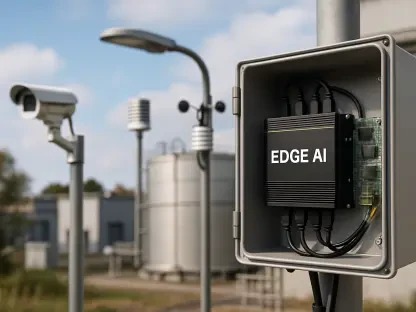
At the edge of the network, leadership is being bolstered by a combination of hardware manufacturing expertise and high-level software knowledge to ensure seamless integration between physical assets and digital services. The addition of veteran CEOs and technology officers from the semiconductor and gaming industries to the boards of companies like DataBank reflects a strategic move to optimize low-latency interconnection hubs for AI-driven enterprise clients. This blend of expertise ensures that as the demand for real-time processing grows, the physical and digital layers of the data center remain perfectly synchronized to handle intensive workloads. By integrating software-defined infrastructure at the executive level, these firms are able to offer more flexible and responsive services that cater to the unique requirements of edge computing, where proximity to the end-user and minimal latency are the primary value drivers.
Engineering the Architecture of the AI Factory
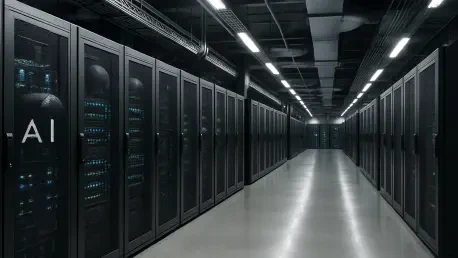
The physical definition of a data center is evolving into what leaders now call the “AI factory,” representing a fundamental shift in how these facilities are designed and operated. Executives at firms like Applied Digital are formalizing this transition by emphasizing architectures designed specifically for high-density liquid cooling and massive clusters of graphics processing units. This isn’t just a change in terminology; it is a profound shift in engineering led by presidents and founders who recognize that traditional “box” designs are insufficient for the extreme thermal and electrical loads required by modern AI chips. By focusing on specialized infrastructure that can support power densities far exceeding traditional enterprise standards, these leaders are positioning their facilities to be the primary engine rooms for the next generation of artificial intelligence development.
To achieve the speed to market required in this incredibly competitive climate, leadership is also leaning heavily into modular infrastructure and “plug-and-play” hardware solutions. By appointing specialists in innovation and modular development, companies are bypassing the long lead times traditionally associated with bespoke brick-and-mortar builds. These leaders are championing energy orchestration and advanced power delivery systems to ensure that infrastructure can be deployed rapidly and efficiently, regardless of the local grid’s limitations or the complexity of the site. This modular approach allows for incremental scaling that matches the rapid pace of AI software evolution, ensuring that capital expenditure is closely aligned with actual demand. The focus on modularity also enhances the ability to upgrade specific components of the data center without disrupting overall operations, providing a level of agility that was previously impossible in large-scale infrastructure projects.
The Convergence of Corporate Strategy and National Policy
In a notable development, the influence of data center leadership has extended into the highest levels of government policy, reflecting the sector’s status as a component of national security. The participation of prominent tech icons from companies like Nvidia and Oracle on national science and technology councils indicates that data center infrastructure has reached a status of strategic importance comparable to traditional energy or transportation networks. These leaders are no longer just managing corporate assets; they are actively influencing federal policies regarding energy consumption, chip manufacturing, and the ethical deployment of artificial intelligence. This convergence suggests that the future of the industry will be shaped as much by diplomatic and regulatory maneuvering as by technical innovation, requiring leaders who are comfortable operating at the intersection of business and geopolitics.
As the industry matures, the individuals at the top are becoming a sophisticated blend of energy visionaries, supply chain masterminds, and AI architects who view infrastructure through a holistic lens. The current wave of executive appointments suggests a consensus that the next phase of growth will be won by those who can master the complexity of the electrical grid while maintaining the agility to deploy AI-ready capacity at scale. This evolution in leadership ensures that the data center ecosystem is prepared for a future where power is the ultimate currency and AI is the primary driver of economic innovation. By aligning corporate strategies with national interests, these leaders are securing the regulatory support and public investment necessary to build the massive, energy-intensive campuses required to sustain the current pace of technological advancement, effectively future-proofing the digital backbone of the global economy.
Actionable Strategies for Navigating the New Infrastructure Era
The leadership changes witnessed throughout the second quarter of 2026 revealed an industry that matured at an unprecedented pace to meet the demands of a new computational age. Organizations successfully navigated this transition by moving beyond traditional real estate mindsets and embracing a more integrated approach to energy and technology. The most effective leaders were those who recognized that power acquisition and sustainability were not merely operational hurdles but the primary drivers of competitive advantage. As these firms transformed their facilities into specialized AI factories, the industry became a critical pillar of national infrastructure, blurring the lines between private corporate strategy and public policy. The period demonstrated that success in the modern data center landscape required a unique blend of financial sophistication, engineering innovation, and strategic diplomacy.
Moving forward, stakeholders must prioritize the integration of energy expertise into their core leadership teams to ensure long-term resilience against grid volatility. It became evident that relying on traditional utility models was no longer sufficient; instead, the development of independent energy assets and microgrids should be viewed as a standard requirement for hyperscale growth. Furthermore, the adoption of modular and liquid-cooled architectures proved essential for maintaining the agility needed to support evolving AI hardware. Organizations are encouraged to foster deep partnerships with both hardware vendors and government regulators to streamline the deployment of high-density capacity. By treating the data center as a dynamic, energy-producing ecosystem rather than a static asset, leaders can better position their firms to capitalize on the sustained growth of the global AI economy.