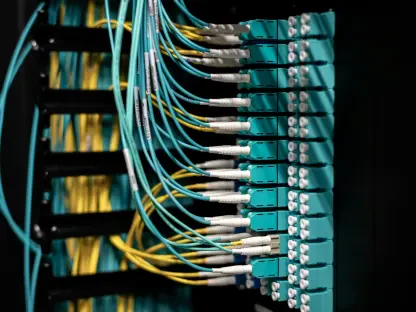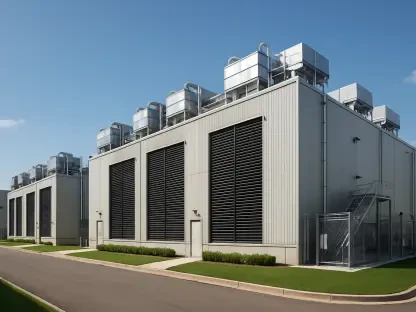

The rapid transformation of the Texas landscape into a global epicenter for data processing has reached a critical inflection point as artificial intelligence continues to reshape the fundamental requirements of modern digital infrastructure. This surge in demand is not merely a localized trend but a massive industrial shift that is currently positioning the Lone Star State to potentially eclipse Northern Virginia as the world’s preeminent data center market by 2030. In direct response to this unprecedented growth, Logix Fiber Networks has initiated a massive strategic expansion of its high-capacity fiber-optic footprint across key industrial corridors. By deploying multi-route, high-count conduit systems, the provider is bridging the gap between established carrier hotels and the sprawling new campuses rising in suburban regions. This initiative ensures that the massive computational power required for generative AI and complex cloud services remains supported by a resilient and low-latency connectivity layer. As hyperscale developers commit billions of dollars to the region, the necessity for robust fiber paths becomes a primary factor in maintaining the operational stability of the global digital economy.
Infrastructure Investments in the North Texas Hub
The Dallas-Fort Worth metroplex has solidified its standing as a primary nexus for colocation and enterprise data storage, hosting over 190 active data centers by the start of 2026. This density is driving a new wave of capital investment, characterized by massive flagship campuses that require immediate and scalable fiber access. For instance, Stack Infrastructure is currently developing a 220 MW campus that serves as a cornerstone for this regional growth, while industry giants like Google and QTS Realty Trust have committed $600 million and $650 million respectively to expand their physical footprints. Market analysts suggest that the total colocation space in the DFW area is on a trajectory to double by the end of 2028, necessitating a proactive approach to network construction. Logix is meeting this demand by installing advanced transport services that cater specifically to these high-density environments. By focusing on the physical layer of the network, the expansion provides the essential plumbing that allows these massive processing hubs to communicate with the rest of the world at the speeds required by contemporary machine learning models.
To maintain a competitive edge in an environment defined by rapid technological evolution, the implementation of an 800G backbone has become a technical necessity rather than a luxury. This infrastructure supports 400G wavelength services, providing the immense bandwidth required to move the vast datasets associated with artificial intelligence training and real-time inferencing. For data center operators, the primary challenge often lies in the “middle mile” of connectivity, where bottlenecks can severely impact the performance of cloud-based applications. Logix has addressed this by creating diverse, high-count fiber routes that circumvent traditional points of failure, ensuring that the heavy traffic generated by AI workloads does not compromise network integrity. This technical upgrade is particularly vital for financial services, healthcare providers, and research institutions in North Texas that rely on instantaneous data synchronization. Furthermore, the ability to offer direct fiber deep into these emerging campuses allows for a seamless transition from legacy systems to modern, high-speed architectures, effectively future-proofing the regional economy against upcoming shifts in global data usage.
Connectivity Surges in South Dallas and Central Texas
While the central business districts remain important, a significant portion of the current industrial expansion is migrating toward the southern reaches of the Dallas-Fort Worth area. Regions such as Wilmer, Red Oak, Lancaster, and Midlothian are witnessing an unprecedented influx of data center construction due to the availability of large land tracts and substantial power allocations. This shift has necessitated a geographic pivot for fiber providers, who must now build out extensive networks in previously underserved industrial zones. Logix is actively targeting these South Dallas corridors, ensuring that new facilities have immediate access to high-capacity routes that connect back to the major carrier hubs in the city center. This localized strategy is mirrored in Central Texas, specifically along the Austin-to-Bastrop County corridor. The Austin market has experienced a surge in construction valuation, reaching 1.54 GW in 2025 and continuing to climb through 2026. This expansion reflects a broader trend where suburban and exurban areas are becoming the primary sites for the next generation of digital infrastructure, driven by the sheer physical scale of modern AI clusters.
The rapid development of the Texas data center market is often described by industry experts as a “perfect storm” of favorable economic and regulatory conditions. Analysts point to a unique combination of vast land availability, robust access to energy, and a relatively relaxed regulatory environment as the primary drivers of this boom. These factors provide a significant “speed advantage,” allowing hyperscalers and cloud providers to deploy their infrastructure much faster than is possible in more traditionally regulated markets. While national providers such as Lumen, Zayo, and Crown Castle maintain a strong presence, the strategy employed by Logix focuses on a dense, localized metro footprint that allows for more agile and tailored installations. By building directly into emerging data center campuses, the company provides a level of architectural flexibility that is often difficult for larger, more centralized entities to match. This localized approach is crucial for maintaining the low latency that AI applications demand, as even a few milliseconds of delay can significantly impact the efficiency of distributed computing clusters and the user experience of real-time digital services.
Strategic Implementation for a High-Density Future
Decision-makers in the telecommunications sector recognized that the transition toward AI-driven workloads required a complete reimagining of how fiber networks were designed and deployed across the state. They prioritized the installation of high-count fiber conduits that allowed for rapid scaling without the need for repeated, invasive construction projects. By establishing these redundant pathways early, the industry ensured that Texas remained an attractive destination for global tech firms seeking a stable environment for their most critical assets. The focus shifted toward creating a self-sustaining ecosystem where power, land, and connectivity converged to support the massive energy requirements of modern GPU clusters. It became clear that the success of the regional digital economy depended on the ability of fiber providers to stay ahead of the construction schedules of the data centers themselves. This proactive alignment of infrastructure development with market demand allowed the state to maintain its momentum during a period of global economic volatility, effectively locking in long-term commitments from the world’s largest technology companies.
To capitalize on these developments, organizations should prioritize the integration of diverse network paths to mitigate the risks associated with single points of failure in their data supply chains. Investing in 400G-capable infrastructure today provides a foundation for the higher-capacity requirements that will inevitably emerge as AI models grow in complexity. It is recommended that enterprise leaders conduct thorough audits of their current connectivity to ensure that their proximity to major fiber hubs is sufficient to support low-latency applications. Furthermore, partnering with providers that possess a deep localized footprint can offer a significant advantage when navigating the complexities of regional expansion. Looking forward, the industry must continue to explore the integration of sustainable energy sources with high-speed data transmission to address the growing environmental concerns associated with massive data center operations. By focusing on the intersection of technical performance and operational efficiency, the Texas technology sector can ensure that its current leadership in digital infrastructure translates into long-term economic stability and continued technological innovation.