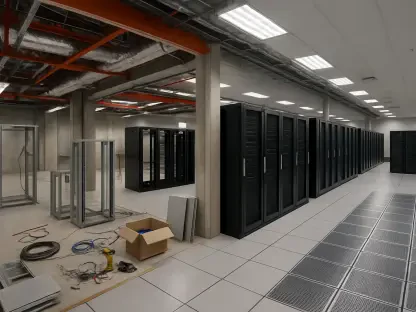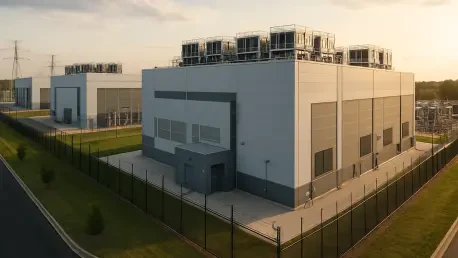

The silent humming of millions of servers across the United States currently represents nearly half of the entire world’s digital processing capacity, signaling a profound shift in the American industrial landscape. This transformation marks the rise of the digital factory, a new type of infrastructure that serves as the bedrock for modern commerce, communication, and innovation. While the software and data flowing through these facilities are intangible, the physical structures themselves are the result of massive, complex engineering efforts. As the United States solidifies its position as a global leader in this space, the focus is shifting from the chips inside the servers to the skilled hands required to build and maintain the facilities that house them.
The modern American economy is undergoing a massive shift, moving from traditional manufacturing to the development of these digital factories. Data centers have become the cornerstone of this evolution, particularly as the demand for Artificial Intelligence and cloud computing reaches unprecedented levels. Projections suggest that the industry must prepare for a growth surge of 200% to 400% between 2026 and 2031. Sustaining such rapid expansion is impossible without a renewed focus on vocational talent, the very demographic that ensures these high-tech hubs remain operational and reliable.
The Backbone of the Digital Economy: Why Skilled Trades Matter
The realization that digital infrastructure is a physical industry has brought the importance of skilled trades to the forefront of economic strategy. For decades, the narrative surrounding the technology sector focused almost exclusively on software development and data science. However, the current reality of the data center boom highlights a different truth: the digital age is built on the expertise of electricians, HVAC technicians, and carpenters. These professionals are the ones who translate architectural blueprints into the high-performance environments required to prevent the catastrophic failure of global networks.
Prioritizing vocational talent is no longer just a social ideal; it is a critical business necessity for any developer looking to scale operations. High-precision environments, which require constant cooling and an uninterrupted power supply, leave no room for error. An expert electrician or a specialized HVAC technician is often the only thing standing between seamless connectivity and a multi-million-dollar outage. By acknowledging the technical rigor involved in these roles, the industry can better align its recruitment strategies with the actual needs of the physical infrastructure.
Furthermore, the integration of skilled trades into the data center ecosystem fosters a more resilient and inclusive economic framework. These roles often command wages that are 25% to 30% higher than the national average for similar trades in other sectors, reflecting the mission-critical nature of the work. This wage premium serves as a powerful incentive for the next generation of workers to pursue vocational paths, ensuring that the labor market remains robust enough to support the massive construction pipelines currently under development across the country.
The Strategic Importance of Prioritizing Vocational Talent
Recognizing the value of skilled trades is a fundamental requirement for ensuring that the rapid expansion of digital infrastructure does not stall due to labor shortages. In the current market, the reliability of a data center is directly proportional to the quality of the labor used to build it. When developers prioritize expert craftsmanship, they reduce the risk of long-term operational failures. This focus on quality ensures that the massive capital investments being poured into AI and cloud infrastructure yield the expected returns over several decades.
Economic resilience is also a primary byproduct of a strong trade-focused strategy. Unlike the transient nature of many construction projects, large-scale hyperscale data center developments provide stable employment for over a decade. These projects often involve multiple phases and ongoing maintenance requirements that far outlast traditional commercial real estate cycles. By creating a permanent demand for high-skilled labor, data centers stabilize local economies and provide a clear, long-term career path for residents who might otherwise be subject to the fluctuations of the broader job market.
The operational reliability of these facilities is paramount in an era where even a few seconds of downtime can have global consequences. High-density server racks generate immense heat, requiring sophisticated cooling systems that only expert technicians can install and calibrate. By investing in the development of these specialists, the industry protects its most valuable assets. This strategic prioritization of labor ensures that the physical layer of the internet is as sophisticated and reliable as the software it supports, creating a solid foundation for future technological breakthroughs.
Best Practices for Integrating and Scaling the Data Center Workforce
To overcome the current staffing crisis and meet the projected demand for 140,000 new workers by 2030, the industry must adopt a proactive approach to talent management. This begins with a shift in perspective, moving away from reactive hiring and toward the creation of sustainable talent pipelines. Developers and operators must become active participants in the education and training of their future workforce, ensuring that the skills being taught in trade schools align with the specific requirements of mission-critical environments.
Establishing Transparent Career Awareness Programs
The first step in building a sustainable talent pipeline is dismantling the persistent myth that data centers are exclusively the domain of software engineers and PhDs. Industry leaders must work toward communicating that the backbone of AI consists of physical labor and technical trade skills. This involves reaching out to local communities to explain what happens behind the walls of these massive, windowless buildings. When the public understands that a data center is a source of high-paying, stable trade jobs, the perceived barrier to entry begins to vanish.
The Phoenix metro area, specifically the Goodyear campus development, serves as a prime example of how a decade-long development cycle provides stable jobs for local tradespeople. By being transparent about the 10-to-12-year construction timeline, developers in Goodyear successfully integrated local electricians and carpenters into a permanent economic ecosystem. Instead of a transient workforce moving from one short-term project to another, the community saw the emergence of a long-term professional class dedicated to the upkeep of digital infrastructure. This level of transparency allowed local families to plan for the future with confidence.
Establishing these programs also involves a commitment to showing the progression of a career in the trades. A worker might start as an apprentice electrician on a construction site, but with the right awareness and training, they can transition into a lead operations role within the same facility. This internal mobility is a key selling point for attracting young talent who are looking for more than just a paycheck. By highlighting the long-term potential of these roles, the industry can compete effectively with other sectors for the most motivated and capable individuals.
Implementing Diverse Recruitment and Upskilling Initiatives
Companies must look beyond traditional tech circles to find talent, focusing instead on transferable skills from other high-pressure industries. The technical complexity of a data center has much more in common with a naval vessel or a power plant than it does with a traditional office building. By broadening the search criteria, recruiters can tap into pools of talent that have already been vetted for their technical proficiency and ability to work in mission-critical settings. This approach not only fills immediate gaps but also brings diverse perspectives into the workforce.
Many data center leaders now prioritize hiring military veterans for operations roles because these individuals possess the discipline and technical familiarity required for complex systems. Veterans are often accustomed to following strict protocols and maintaining high-stakes equipment, making them ideal candidates for the rigorous environment of a data center. By pairing these recruits with experienced mentors, companies effectively bridge the talent gap while providing veterans with lucrative civilian career paths. This strategy serves the dual purpose of solving a labor shortage and fulfilling a corporate social responsibility to those who have served.
Upskilling existing employees is equally important for maintaining a competitive edge. As the technology inside data centers evolves, the skills required to maintain the physical infrastructure must evolve as well. Providing ongoing certification programs and hands-on training ensures that the workforce remains capable of handling the latest innovations in liquid cooling, power distribution, and automated monitoring. This commitment to continuous learning fosters a culture of excellence and loyalty, as employees feel that their employer is invested in their long-term professional growth.
Fostering Collaborative Industry Partnerships
No single company can solve the labor shortage alone, making collaboration through industry organizations essential for standardizing training and education. In the past, companies often competed fiercely for the same small pool of talent, leading to wage inflation and high turnover. However, the scale of the current expansion requires a more communal approach. By working together to define the core competencies required for data center roles, industry leaders can help vocational schools develop curriculum that produces “job-ready” graduates.
By participating in groups like the Infrastructure Masons, competitors work together to fund scholarships and trade school programs. This collective effort ensures a steady stream of qualified pipefitters, welders, and equipment operators is entering the field, benefiting the entire digital infrastructure sector. Such partnerships allow for the sharing of best practices in safety, efficiency, and sustainability, raising the bar for the entire industry. When the baseline of skill is elevated across the board, every developer and operator stands to gain from a more reliable and capable labor market.
These collaborations also provide a platform for advocacy, allowing the industry to speak with a unified voice when engaging with government officials and educational boards. By presenting a clear picture of the economic impact and labor needs of the sector, these groups can influence policy to support vocational training and infrastructure development. This high-level coordination is necessary to ensure that the national labor strategy keeps pace with the technological ambitions of the digital economy, preventing bottlenecks that could hinder overall American competitiveness.
The Future of American Industry and the Path to Shared Prosperity
The rapid growth of U.S. data centers represented a significant turning point in the national industrial strategy, proving that the digital revolution was as much about physical labor as it was about code. Stakeholders recognized that the sustainable expansion of AI and cloud computing required a foundational shift toward a “people-first” culture. By treating vocational workers as the most vital assets in the supply chain, the industry successfully navigated the labor challenges of the mid-2020s. This transition ensured that the United States maintained its global leadership in digital infrastructure while fostering inclusive economic growth across local communities.
Data center developers took the necessary steps to integrate their projects into the social fabric of the regions where they operated. They moved away from the “black box” model and toward a transparent partnership with local labor unions, trade schools, and veteran organizations. This collaboration resulted in a new generation of skilled tradespeople who viewed digital infrastructure as a source of pride and long-term stability. The industry prioritized mentorship and upskilling, which allowed workers to adapt to the evolving demands of hyperscale environments and maintain a high standard of reliability.
The path forward involved a commitment to viewing these facilities not just as technical hubs, but as permanent engines of prosperity. By adopting these best practices, the sector provided a roadmap for how modern technology could coexist with and elevate traditional trade skills. The resulting economic ecosystem was one where high wages, professional development, and community investment went hand in hand. This successful integration of the trades into the digital age provided a sustainable model for future industrial growth, ensuring that the benefits of technological advancement reached every level of the American workforce.