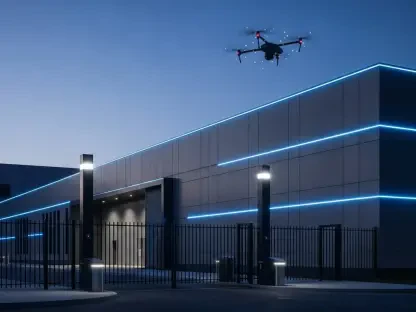

The sheer scale of global data processing has reached a point where the physical structures housing our digital lives must undergo a radical and immediate architectural metamorphosis to survive. As the digital economy expands at an unprecedented rate, the United States alone currently sees over 3,000 data centers in various stages of planning or active construction. This massive surge in development is not merely a scaling up of existing practices; it represents a fundamental rewriting of the playbook regarding how these mission-critical facilities are designed, protected, and maintained. The industry is moving away from generic building templates and toward highly specialized, density-focused environments that can support the intense power and cooling requirements of modern artificial intelligence. This shift is creating a massive market for advanced materials and protective systems that were once considered optional but are now recognized as the bedrock of operational uptime.
The demand for processing power is fundamentally altering the geographic and physical footprint of the industry. Analysts are tracking a significant migration of hyperscale development into rural territories where land and power are more abundant. However, this expansion comes with a new set of environmental liabilities that traditional urban data centers rarely encountered. From extreme temperature fluctuations to the lack of municipal water infrastructure, these rural sites demand a higher degree of structural self-sufficiency. This article explores the strategic shifts in architecture, the sophisticated protective systems required for high-density computing, and the emerging trends that are redefining the resilience of global digital infrastructure from 2026 to 2030.
From Warehouses to High-Rise Hubs: The Historical Context
Historically, data centers were designed as sprawling, single-story warehouses located in industrial corridors with easy access to existing fiber networks. This horizontal model prioritized ease of construction and simple, perimeter-based cooling layouts. In the earlier part of the decade, developers focused primarily on speed to market, often utilizing standard industrial building techniques. However, as land prices in traditional hubs like Northern Virginia and Silicon Valley skyrocketed, the industry reached a tipping point. The necessity for higher processor density to accommodate AI-driven workloads has pushed builders toward multi-level, vertical structures. This shift mirrors established practices in land-constrained European and Asian markets but represents a significant departure for North American developers who are now grappling with the complexities of vertical cooling and weight distribution.
This transition to verticality is not just a matter of stacking servers; it fundamentally changes the structural requirements of the building. Multi-story facilities must support immense floor loads on upper levels, requiring reinforced steel and concrete assemblies that can withstand the vibrations of thousands of spinning fans and heavy cooling equipment. Furthermore, the quest for massive acreage has led hyperscale developers into regions with volatile weather patterns. These shifts matter because they introduce new environmental challenges—such as high wind loads and increased seismic risks—that require a more robust approach to structural integrity and long-term durability than was previously necessary in the standard warehouse model. The historical reliance on “good enough” construction is being replaced by a culture of extreme engineering.
Advanced Structural Safeguards and Functional Integrity
Enhancing Life Safety through Passive Fire Protection
One of the most critical implications of vertical data center design is the increased complexity of fire safety and containment. Modern facilities often integrate equipment halls with occupied office spaces and command centers, a configuration that creates unique risks for both human life and structural stability. To mitigate these risks, the industry is increasingly relying on high-performance Passive Fire Protection (PFP) coatings. These advanced intumescent materials are engineered to expand when exposed to intense heat, forming a durable, insulating “char” barrier that slows the transfer of heat to structural steel. By maintaining the load-bearing capacity of the building for a window of two to four hours, these systems protect vital evacuation routes and prevent catastrophic structural failure.
The market for these protective materials is expanding as U.S. facilities adopt fire-resistance ratings that exceed minimum regulatory requirements. This trend signals a broader shift toward prioritizing long-term resilience over mere code compliance. In a vertical environment, a fire on a lower floor could potentially compromise the entire facility if the steel is not properly insulated. Consequently, developers are investing in thick-film PFP systems that offer enhanced durability against physical damage during the installation of server racks. The integration of these fireproofing measures is now a primary consideration in the early design phase, rather than an afterthought applied during the final stages of construction.
Modular Construction and Factory-Applied Durability
The pressure to meet aggressive construction schedules between 2026 and 2028 has led to the widespread adoption of modular construction, where large components like server rooms or power utility modules are built off-site. This evolution has fundamentally changed how protective coatings are applied across the industry. Rather than applying fireproofing or corrosion protection on-site amidst the chaos of a busy construction zone, these systems are now factory-applied in controlled environments. This shift ensures a much higher level of quality control, consistency in thickness, and superior adhesion, which are difficult to achieve in the field under varying weather conditions.
However, the modular approach introduces the logistical challenge of transporting these massive, pre-finished units across long distances. Modules must be protected against abrasion, vibration, and environmental exposure during transit. To address this, high-performance coatings are now specifically engineered with high tensile strength and flexibility to survive these transport stresses. This ensures that the finished facility benefits from superior protection without the delays and quality issues associated with traditional on-site application. The market is seeing a rise in “ready-to-install” components that arrive at the site with all protective barriers intact, significantly shortening the timeline for commissioning a new facility.
Specialized Environments for High-Density Computing
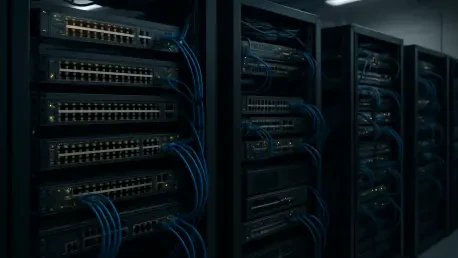
The internal environment of a modern data center requires flooring and cooling protection that goes far beyond basic industrial standards. As AI server racks become increasingly heavy, flooring systems must withstand immense structural loads while providing critical Electrostatic Discharge (ESD) protection. These resinous flooring systems prevent the buildup of static electricity that could cause catastrophic electrical surges in sensitive server components. Furthermore, the lifeblood of the cooling system—chilled water lines—requires specialized thermal insulation coatings to prevent condensation. In the high-humidity environments often found in cooling galleries, condensation is a major cause of water damage, mold, and pipe corrosion.
By applying coatings that create a “thermal break,” engineers can keep pipe surfaces above the dew point, ensuring continuous uptime and reducing long-term maintenance costs. This is particularly vital in the most sensitive areas of the facility where even a small leak or moisture buildup could lead to a massive service interruption. Additionally, these seamless flooring and wall systems are designed to prevent the shedding of dust and particulates. In an era where microscopic debris can interfere with high-performance processors, maintaining a “cleanroom” level of environmental control through advanced surface treatments has become a standard requirement for hyperscale operators.
Future Horizons: Sustainability and Technological Shifts
The future of data center infrastructure is being shaped by the twin pillars of sustainability and environmental defense. As hyperscale centers grow in size, many operators are moving toward closed-loop cooling and sophisticated wastewater treatment systems to reduce their impact on municipal resources. These systems require specialized chemical-resistant membranes that can withstand constant abrasion and exposure to water treatment chemicals. Furthermore, sustainability has shifted from a secondary corporate social responsibility goal to a primary driver of material procurement. There is a growing demand for low-VOC formulations and materials with transparent Environmental Product Declarations (EPDs) to meet carbon neutrality targets.
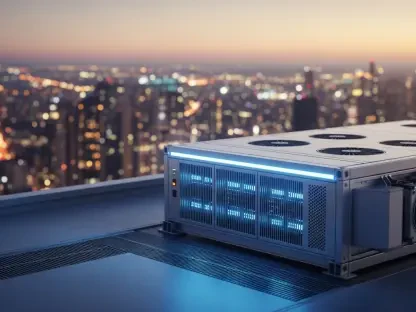
Experts predict that the most successful facilities in the coming years will be those that prioritize asset longevity. This philosophy posits that the most sustainable building is one that lasts for decades without requiring carbon-intensive repairs or reconstruction. This is leading to the adoption of ultra-durable coating systems for rooftop utilities, such as chillers and generators, which are often the most vulnerable parts of the building. By utilizing ISO-classified coating systems designed for high-corrosivity environments, operators can prevent the hidden degradation of assets, ensuring that the facility remains operational and efficient throughout its intended lifecycle.
Strategic Takeaways for Industry Stakeholders
The analysis of evolving infrastructure reveals that coatings and protective finishes are no longer regarded as mere “final touches” but are now classified as critical infrastructure. To navigate this landscape effectively, businesses must adopt several best practices. First, it is essential to prioritize resilience over simple compliance by designing for fire and weather resistance that exceeds local codes. This proactive approach ensures long-term operational continuity even as environmental regulations and weather patterns become more unpredictable. Second, shifting to modular, factory-applied protective systems can significantly improve quality control and accelerate construction timelines, which is vital for meeting the soaring demand for AI capacity.
Furthermore, stakeholders should focus on functional flooring that addresses multiple needs simultaneously, including ESD protection, dust prevention, and heavy load-bearing requirements. Investing in these high-performance surfaces early can prevent costly retrofits later. Finally, adopting proactive corrosion management for rooftop and external utilities is non-negotiable. Using advanced coating systems to prevent Corrosion Under Insulation (CUI) can save millions of dollars in emergency repairs and unplanned downtime. These strategies represent the baseline for any developer or operator looking to maintain a competitive edge in the rapidly expanding digital infrastructure market.
Building a Resilient Digital Foundation
The evolution of data center infrastructure reflected a broader transition toward complexity, density, and extreme durability. As the industry moved deeper into the age of hyperscale computing, the strategies for protecting these assets prioritized life safety, environmental responsibility, and structural resilience above all else. By integrating advanced protective technologies into the core design phase, developers ensured that the next generation of facilities was prepared for both the technological and environmental challenges of the era. The significance of this topic lay in its role as the foundation of our digital existence; a well-protected data center remained the silent engine of global progress.
Strategic decisions made during this period of transition emphasized the importance of high-performance materials in maintaining uninterrupted global connectivity. The shift toward verticality and modularity proved to be a successful response to land scarcity and the need for rapid deployment. Ultimately, the industry moved toward a model where the physical shell of the data center was just as sophisticated as the servers it contained. These advancements provided a stable and secure environment for the continued growth of the digital economy, ensuring that infrastructure could keep pace with the relentless demand for data.