
A monumental $15 billion investment is set to transform a 674-acre site in southeastern Wisconsin into one of the world’s most powerful hubs for artificial intelligence, marking a pivotal moment for the Midwest’s technological landscape. Vantage Data Centers has officially broken ground on its “Lighthouse” campus in Port Washington, a project that serves as a cornerstone of the much larger “Stargate” initiative, a global consortium aiming to build the next generation of AI infrastructure. This development is not merely about constructing buildings; it represents a significant strategic move in the global race for AI dominance, addressing the critical bottleneck of computational power that currently constrains the development of more advanced AI models. As algorithms grow in complexity and data sets expand exponentially, the demand for specialized, high-capacity data centers has skyrocketed. The Wisconsin campus is a direct response to this need, designed from the ground up to support the immense energy and cooling requirements of AI hardware. Its establishment signals a major decentralization of tech infrastructure away from traditional coastal hubs, promising to inject immense economic vitality and technological prestige into the heart of America.
The Lighthouse Campus A Beacon for Midwest Tech
Unpacking the Wisconsin Development
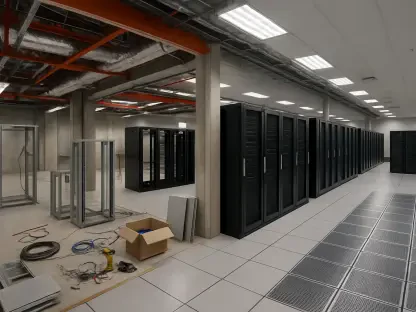
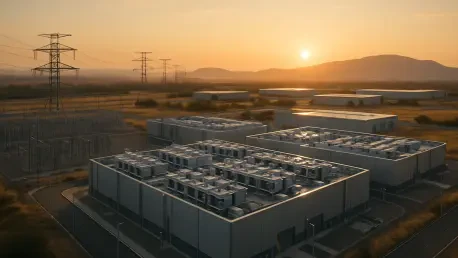
The scale of the Lighthouse campus is immense, positioning it as a landmark development in the data center industry. Situated on a sprawling 674-acre plot in Port Washington, the project will ultimately feature four massive data centers, collectively providing a staggering 902 megawatts (MW) of critical IT capacity. To put this in perspective, such power is sufficient to run a small city, underscoring the energy-intensive nature of modern AI computation. Construction has commenced on the initial phase, an ambitious $8 billion undertaking scheduled to bring the first facilities online by 2028. This initial stage is meticulously planned to lay the foundational infrastructure, including power substations, high-capacity fiber optic networks, and the core structures of the data halls themselves. The design prioritizes modularity, allowing for a phased build-out that can adapt to the evolving demands of AI technology and the specific hardware requirements of its future tenants. This project represents more than just a data center; it is a purpose-built ecosystem designed to house the supercomputers that will train and operate the next wave of artificial intelligence.
At the core of the Lighthouse campus’s design philosophy is a profound commitment to environmental stewardship and long-term sustainability, addressing one of the most significant criticisms leveled against the data center industry. Recognizing the enormous environmental footprint of such a large-scale facility, Vantage has engineered the campus to incorporate cutting-edge sustainable technologies. A key feature is the implementation of a closed-loop cooling system, which dramatically reduces water consumption compared to traditional evaporative cooling towers—a critical consideration for environmental preservation. Furthermore, the project includes a long-term strategy for the development of on-site and off-site zero-emission energy sources, aiming to power the campus with clean, renewable energy. This forward-thinking approach not only minimizes the project’s ecological impact but also ensures its operational resilience and cost-effectiveness in a future likely to be shaped by stricter environmental regulations and fluctuating energy prices. By integrating sustainability into its foundational design, the Lighthouse campus aims to set a new industry standard for responsible AI infrastructure development.
Economic and Employment Implications
The immediate economic impact of the Lighthouse campus construction will be profound, acting as a powerful engine for job creation and regional prosperity. The project is projected to create thousands of highly skilled union construction jobs over its multi-year build-out phase, providing a significant boost to the local labor market. This includes a wide array of trades, from electricians and pipefitters to structural engineers and project managers, all of whom will be integral to the successful completion of this complex undertaking. The reliance on union labor ensures that these positions will offer competitive wages, robust benefits, and stringent safety standards, injecting hundreds of millions of dollars directly into the regional economy. Beyond the construction site, the development will trigger a significant ripple effect, stimulating growth in ancillary sectors. Local suppliers of raw materials, equipment rental companies, and service industries such as hospitality and transportation will all experience a surge in demand, creating a cascading wave of economic activity that will benefit communities throughout southeastern Wisconsin for years to come.
Beyond the initial construction boom, the Lighthouse campus is envisioned as a catalyst for transforming the Midwest into a nationally recognized hub for AI innovation and talent. The completion of the facility will usher in a new wave of permanent, high-paying jobs in technology, including data center technicians, network engineers, cybersecurity specialists, and AI researchers. This influx of technical expertise will create a powerful gravitational pull, attracting other technology firms, startups, and research institutions eager to be in close proximity to such a massive computational resource. This clustering effect could foster the development of a vibrant and self-sustaining technology ecosystem, complete with venture capital investment and academic partnerships. The presence of a world-class AI hub is expected to spur collaborations with local universities, leading to the creation of specialized curricula and research programs designed to cultivate the next generation of AI professionals, ensuring a sustainable talent pipeline that will fuel innovation in the region for decades.
Stargate A Global Vision for AI Infrastructure
The Consortium and Its Grand Ambition
The Lighthouse campus, while monumental in its own right, is a single piece of a much larger, globally coordinated effort known as the “Stargate” initiative. This unprecedented project is backed by a consortium of some of the most influential technology and investment firms in the world, pooling their resources to address the global AI infrastructure deficit. Spearheaded by tech giants like Oracle and OpenAI, and financed by major players such as SoftBank and the UAE-based investment firm MGX, Stargate represents a colossal $500 billion global investment. The initiative also involves crucial technology partners, including Microsoft and Nvidia, whose hardware and software platforms are the bedrock of the current AI revolution. This strategic alliance is a clear recognition that the capital and logistical requirements for building out the next generation of AI capacity are too vast for any single company to undertake alone. By joining forces, these industry leaders aim to accelerate the deployment of AI-ready data centers on a global scale, ensuring that the computational power needed for future breakthroughs is readily available.
The overarching goal of the Stargate initiative is as ambitious as its price tag: to deploy an astounding 10 gigawatts (GW) of AI-ready data center capacity over the next four years. This massive undertaking is not just a commercial venture but also a strategic imperative framed as a concerted effort to secure and extend American leadership in the field of artificial intelligence. By building a distributed network of state-of-the-art facilities, the consortium aims to create a resilient and powerful infrastructure that can support the most demanding AI workloads, from training foundational models to running complex real-time inference applications. The initiative is also designed to be a powerful driver of economic growth on a global scale. The construction and operation of these data centers will create tens of thousands of jobs and stimulate local economies in each of the chosen locations. This investment represents a foundational bet on the future, positioning the participating companies and nations at the forefront of the AI-driven economy.
A Worldwide Network of AI Hubs
The Stargate initiative’s strategy is inherently global, with plans to establish a network of interconnected AI supercomputing hubs across multiple continents. In addition to the flagship campus in Wisconsin, several other locations within the United States have been confirmed, including sites in Texas, New Mexico, and Ohio. Each of these domestic locations has been selected for its unique strategic advantages, such as access to reliable and affordable energy, a skilled labor force, and a supportive regulatory environment. The initiative’s international footprint is equally ambitious, with plans for major data center campuses in Norway, the United Arab Emirates (UAE), the United Kingdom, and Argentina. This geographic diversification is a deliberate strategy designed to create a robust and resilient global AI network. By distributing computational resources across different regions, the consortium can ensure continuous operation, serve local markets more effectively, and tap into a worldwide pool of talent and innovation, creating a truly global backbone for artificial intelligence.
The selection of each Stargate location reflects a meticulous strategic calculation designed to optimize the network for performance, resilience, and market access. For example, the choice of Norway is likely driven by its abundance of low-cost, renewable hydroelectric power, which is ideal for energy-intensive AI operations. The UAE and the UK serve as critical hubs for international finance and data traffic, providing strategic access to markets in the Middle East and Europe. Establishing a presence in Argentina opens a gateway to the growing South American technology market. This distributed architecture does more than just mitigate risks associated with natural disasters or geopolitical instability; it also reduces data latency for users in different regions and allows the consortium to navigate the complex and varied landscape of international data sovereignty laws. By building this global web of interconnected AI hubs, the Stargate initiative is constructing an infrastructure that is not only powerful but also adaptable and resilient enough to support the future of artificial intelligence worldwide.
The Forging of a New Digital Foundation
The groundbreaking in Wisconsin represented more than just the start of another construction project; it signified a pivotal transition in how global economic infrastructure was conceived and built. This moment marked the physical manifestation of the immense and previously abstract demands of artificial intelligence, translating the need for computational power into concrete, steel, and fiber optic cable on an unprecedented scale. The decision to invest billions in a region historically known for industry rather than information technology also signaled a deliberate decentralization of the tech world, challenging the long-held dominance of coastal hubs and beginning a process of reshaping regional economies across the country. It became clear that access to massive-scale computing had evolved into a foundational element of modern economic development, as critical as ports, railways, and power grids were in previous eras. This project, and the global initiative it was part of, laid a new foundation upon which the future of technology and commerce would be built.