
Imagine over 76,000 sports fans simultaneously attempting to upload high-definition videos of a game-winning play, a scenario that transforms a modern stadium into a crucible for wireless network performance. This immense digital demand has turned these public arenas into the new high-stakes battlegrounds for America’s telecommunications giants. Verizon’s recent, comprehensive Wi-Fi 6E network overhaul at Empower Field, home of the Denver Broncos, serves as a prime example of this escalating technological arms race. This move, however, is far more than a simple amenity upgrade for fans. It represents a calculated, strategic investment in a much larger war for network supremacy, where high-profile venues are used as powerful showcases to secure long-term revenue, demonstrate technological dominance, and ultimately define the future of connectivity in crowded public spaces. The competition to provide seamless service in a stadium is now a proxy for proving who has the most robust and reliable network in the country.
A High-Stakes Showcase for Technological Supremacy
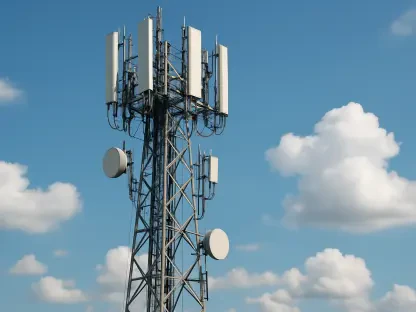
Verizon’s massive infrastructure project at Empower Field is a clear statement of intent within its broader “Connected Venues” strategy. The installation of over 2,400 new wireless access points creates a state-of-the-art Wi-Fi 6E system operating on the dedicated and less-congested 6GHz spectrum, all secured with the latest WPA3 encryption protocol. For the 76,125 fans in attendance, this technical jargon translates into a tangible improvement: faster, more reliable connectivity for everything from streaming instant replays and using mobile ticketing to ordering food and engaging with team apps. Beyond the fan experience, this robust network is critical for the stadium’s own operations, supporting a vast ecosystem of cashless payment systems, high-definition security feeds, and essential communication channels for event staff. By transforming a stadium into a high-performance wireless environment, Verizon is not just enhancing a football game; it is building a living, breathing case study of its network’s capabilities, designed to impress and attract other large-scale enterprise clients seeking to manage extreme connectivity demands.
This ambitious upgrade is not an isolated event but a strategic volley in a market where every major carrier is vying for the perception of technological leadership. The battle for venue connectivity is a nationwide phenomenon, with Verizon’s primary competitors, AT&T and T-Mobile, making equally significant investments to assert their own network superiority. AT&T, for instance, has undertaken major upgrades at other iconic stadiums like the Superdome and is expanding its reach into uniquely challenging infrastructures, such as the sprawling New York City subway tunnels, to prove its network’s resilience. Meanwhile, T-Mobile has been aggressively promoting its Ultra Capacity 5G network, leveraging enhancements at venues like Austin’s Q2 Stadium and securing a high-profile, multi-year partnership with the Formula 1 Las Vegas Grand Prix. Each of these projects serves a dual purpose: to deliver a superior customer experience in the moment and to function as a powerful, public-facing demonstration of network strength under the most demanding conditions possible.
The intense campaign to wire America’s largest venues was ultimately about more than just ensuring fans could post selfies without delay. These high-visibility stadiums and arenas served as crucial battlegrounds where the nation’s top telecommunications companies waged a war for technological prestige and market positioning. By deploying next-generation 5G and Wi-Fi technologies in these high-density environments, each carrier successfully created a powerful, real-world demonstration of its network’s capacity and reliability. These projects were not only for the benefit of the attendees but were strategic showcases aimed at a much broader audience of potential enterprise partners, investors, and the public at large. This era of stadium upgrades firmly established advanced wireless infrastructure as a key competitive differentiator, and the innovations proven within these concrete and steel coliseums have now set a new standard for connectivity expectations across all manner of public spaces.