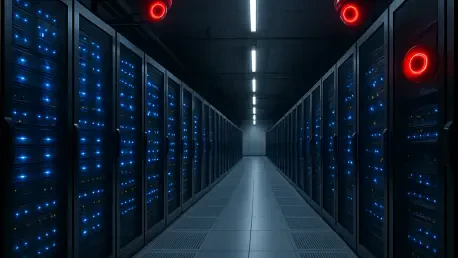

Buried deep within the global infrastructure that powers our daily lives, a silent but high-stakes conflict is unfolding between unprecedented technological growth and the sophisticated threats designed to exploit it. As artificial intelligence transforms every industry, the data centers that serve as its digital heart are becoming increasingly complex and valuable targets. This rapid evolution raises a critical question: have the security measures designed to protect these vital hubs kept pace, or is a fundamental vulnerability emerging at the core of our interconnected world?
The Unseen Arms Race Securing the Core of Our Digital World
The sheer scale of expansion is staggering. With demand for data center capacity projected to surge by 20% to 25% annually through 2030, operators are in a constant race to build bigger and faster. This relentless growth, however, creates an expanding attack surface. Each new server rack, IoT sensor, and cloud service integration represents a potential entry point for adversaries. The central challenge is no longer merely scaling infrastructure but ensuring that security protocols evolve in lockstep. Failure to do so risks turning these engines of innovation into single points of failure for entire economies.
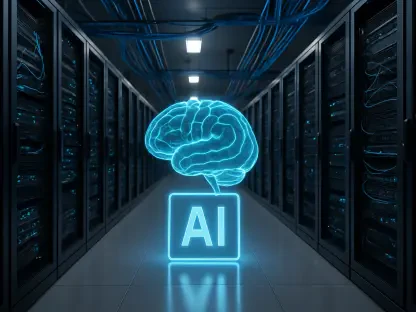
This dynamic has ignited a quiet arms race. On one side are the security architects deploying next-generation defenses. On the other are AI-powered threats capable of learning, adapting, and striking with unprecedented speed and precision. The battleground is the data center itself, a facility that must guarantee near-perfect uptime while simultaneously fending off invisible, algorithm-driven adversaries. The outcome of this contest will determine the resilience of the digital services upon which modern society depends.
Why Traditional Security Models Are Now Obsolete
For years, data center security relied on a predictable, perimeter-based model, focusing on firewalls and physical barriers to keep threats out. This approach is fundamentally unsuited for the modern era, where threats are no longer siloed or predictable. Instead, risks are dynamic and interconnected, capable of moving laterally across digital and physical domains. A breach in an unsecured building management system, for instance, could provide the access needed to launch a devastating cyberattack on the core IT infrastructure.
The stakes of failure have been amplified by the very technologies data centers now support. The unprecedented concentration of data and processing power required for AI and cloud services means a single breach can have catastrophic, cascading consequences. In this high-stakes environment, a reactive defense strategy—waiting for an attack to happen before responding—is a recipe for disaster. The speed of AI-driven attacks can overwhelm human response teams, making proactive, predictive, and automated security not just an advantage but a necessity.
The Converged Battlefield A Modern Hybrid Threat Landscape
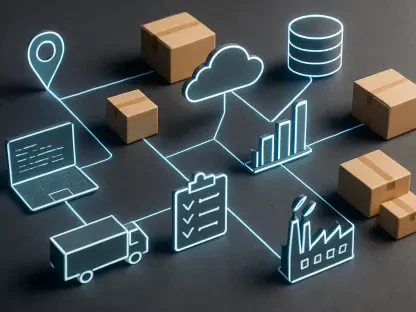
The modern threat landscape is a hybrid of sophisticated digital attacks and evolving physical risks, creating a converged battlefield where the lines between cyberspace and the real world have blurred. On the digital front, the rise of AI-enabled phishing and ransomware campaigns has dramatically increased the threat level. Recent analysis highlights this escalation, with extortion incidents rising by 46% as attackers leverage AI to craft more convincing lures and identify vulnerabilities faster. This cyber risk is compounded by the convergence of Information Technology (IT) and Operational Technology (OT), where unsecured HVAC controls, power systems, and IoT sensors create overlooked backdoors for intrusions.
Simultaneously, physical infiltration methods are becoming more advanced. Sophisticated drone technology enables adversaries to conduct detailed surveillance of facility layouts, security patrols, and critical infrastructure from a safe distance, or even to attempt unauthorized physical access. This risk is particularly acute for the growing number of data centers being built in rural locations. While these sites offer benefits like space and cheaper power, their remoteness can pose unique security challenges, including longer response times from emergency services and a more limited local talent pool for security personnel, factors that must be integrated into any modern defense plan.
A Unified Command The Expert Consensus on Integrated Defense
In response to this complex threat environment, a clear expert consensus has emerged: siloed security systems are no longer viable. The strategic imperative is to merge physical security, cybersecurity, and operational intelligence into a single, cohesive ecosystem. This unified approach eliminates the dangerous blind spots that exist between disparate systems, such as when a physical access breach is not immediately correlated with suspicious network activity. By integrating these data streams, operators can build a comprehensive picture of their security posture in real time.
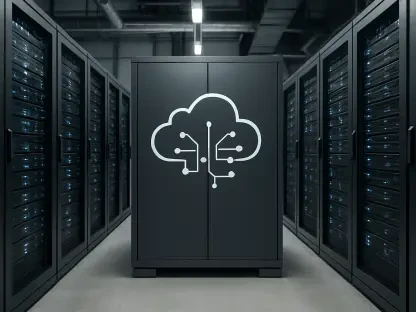
This integration is increasingly powered by cloud-based platforms that act as a central nervous system for the entire data center. These platforms provide a complete, end-to-end view of the risk profile, from an access card swipe at the front door to a data packet moving across the network. Such a unified command center allows security teams to move beyond reacting to individual alerts and instead identify complex, multi-stage attack patterns as they unfold. This holistic visibility is the foundation of a truly proactive and resilient defense strategy.
Architecting a Proactive Defense Key Technologies and Strategies
The architecture of a modern, proactive defense relies on a suite of intelligent technologies working in concert. AI-enabled video monitoring, for example, transforms surveillance from a passive recording tool into an active threat detection system. These intelligent cameras can automatically classify anomalies—such as a person loitering in a secure area or a vehicle moving erratically—and trigger automated responses, like alerting security personnel or locking down an access point, without requiring constant human oversight.
This intelligent layer extends to access control, where traditional keycards are being replaced by more secure and manageable solutions. Mobile credentials and biometrics create a more robust, traceable, and flexible authentication system that is far more difficult to compromise than a simple plastic card. This is coupled with a holistic cybersecurity strategy that implements continuous monitoring and protection for every connected device. From the core servers to the environmental sensors in the cooling system, ensuring no digital entry point is left unguarded is paramount. When integrated, these technologies create a multi-layered, intelligent fortress capable of anticipating and neutralizing threats before they can cause disruption.
The deep dive into the security posture of modern data centers revealed that survival in the age of AI depends less on building higher walls and more on developing a smarter, integrated defense system. It became clear that facilities clinging to outdated, siloed security models were exposing themselves to unacceptable levels of risk from threats that were faster and more complex than their defenses could handle. The path forward was illuminated not by a single silver-bullet technology but by the strategic convergence of physical, digital, and operational intelligence.
Ultimately, the security frameworks that demonstrated true resilience were those built on a foundation of continuous learning and seamless coordination. They leveraged unified platforms to achieve total situational awareness, automated threat detection to accelerate response times, and intelligent systems to adapt to an ever-changing landscape. This investigation underscored that protecting the core of our digital world required a fundamental shift in mindset—from reactive containment to proactive, predictive defense, ensuring that the heart of innovation remained secure.