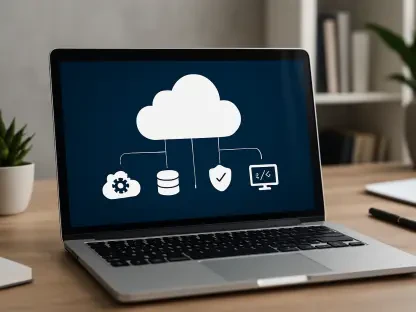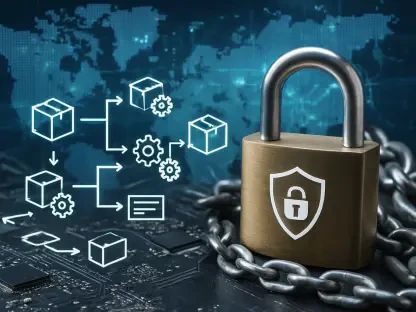

The modern IT professional often operates in a state of controlled chaos, navigating a complex web of disparate tools for endpoint management, cybersecurity, data backup, and network monitoring, where this fragmented approach not only drains resources but also creates dangerous security vulnerabilities between uncommunicative systems. As organizations grapple with escalating cyber threats and the pressure to do more with less, the idea of consolidating this sprawling technological toolkit into a single, unified platform has moved from a distant ideal to a pressing strategic consideration. The core question remains whether one comprehensive solution can effectively replace a dozen specialized ones without sacrificing functionality or creating a single point of failure. The promise is immense: streamlined workflows, enhanced security, and significant cost savings, but the path to true consolidation is paved with complex technical and operational challenges.
The Promise of Unification
The central value proposition of an integrated IT management platform is the elimination of “tool sprawl,” the inefficient and costly practice of deploying numerous single-purpose applications. By centralizing operations, IT teams gain a holistic view of their entire infrastructure from a single interface, enabling them to remotely monitor, manage, and secure every device without constantly switching between different consoles. This consolidation drastically reduces the time spent on manual, repetitive tasks such as software patching, performance monitoring, and asset tracking. Intelligent automation built into such platforms can handle routine maintenance and alert technicians to potential issues before they escalate into critical problems. This shift frees up highly skilled IT professionals from tedious administrative work, allowing them to focus on more strategic initiatives that drive business value. Ultimately, a unified system simplifies complexity, reduces the likelihood of human error, and fosters a more proactive and efficient operational model for both internal IT departments and Managed Service Providers (MSPs).
Beyond operational efficiency, a unified platform can profoundly enhance an organization’s security posture by implementing a cohesive “defense in depth” strategy. When security tools are fragmented, they often operate in silos, unable to share threat intelligence or coordinate responses effectively. This creates gaps that sophisticated cybercriminals are quick to exploit. An integrated solution, however, weaves together multiple layers of protection—covering endpoints, networks, cloud environments, and user identities—into a single, interconnected shield. This allows for intelligent, automated responses where an anomaly detected in one area, such as unusual network traffic, can trigger protective actions elsewhere, like isolating an endpoint or blocking a user account. This synchronized defense is far more effective at combating modern threats like ransomware, phishing, and zero-day attacks, replacing disjointed alerts with actionable, context-rich intelligence that enables rapid threat containment and remediation.
Automation as The Engine of Efficiency
The true power of a modern, all-in-one IT platform is unlocked through pervasive automation and the integration of artificial intelligence. These systems are engineered to automate thousands of workflows, effectively acting as a force multiplier for stretched IT teams. AI-driven assistants and intelligent bots can now handle a significant portion of the service desk workload, from automatically diagnosing common issues and remediating tickets to generating and maintaining up-to-date system documentation. This level of automation extends beyond simple task execution; it optimizes entire processes, such as the quote-to-cash cycle for MSPs, by streamlining service delivery and billing. By offloading the burden of routine, time-consuming tasks, these intelligent platforms minimize friction, accelerate service delivery, and allow technicians to dedicate their expertise to resolving complex challenges and strengthening client relationships through strategic guidance rather than reactive firefighting.
This emphasis on automation is also critical in the realms of data protection and regulatory compliance. An integrated platform can automate the entire backup and recovery process, ensuring that data is consistently protected and “recovery ready.” By leveraging features like immutable cloud storage, these systems can safeguard critical information against unauthorized alteration or deletion, providing a last line of defense against devastating ransomware attacks. Simultaneously, the platform can streamline the arduous process of maintaining compliance with industry regulations. Through always-on monitoring and instant, audit-ready reporting, organizations can automate the verification of security controls and policy adherence. This transforms compliance from a periodic, labor-intensive scramble into a continuous, automated function, reducing risk and demonstrating due diligence with far less manual effort and organizational disruption.
A Strategic Shift in IT Operations
The examination of a unified platform revealed that its adoption was less about acquiring a new tool and more about embracing a fundamental shift in operational philosophy. By moving away from a fragmented collection of point solutions, organizations discovered a path to heightened efficiency, a more resilient security posture, and tangible cost savings. The integration of management, security, and automation into a single framework eliminated the inherent risks and inefficiencies of a siloed IT environment. This strategic consolidation allowed IT professionals to reclaim valuable time, reduce the noise of redundant alerts, and focus on initiatives that directly supported business growth. The evidence pointed not just to a more streamlined workflow, but to a more mature and proactive approach to technology management, where IT transitioned from a reactive cost center to a strategic business enabler.