
The sheer volume of data traversing global networks has reached a tipping point where the physical limitations of hardware are now dictating the pace of digital expansion. While the industry focuses on the deployment of 5G and decentralized edge computing, a silent but formidable barrier has emerged in the form of extreme thermal accumulation within network enclosures. As operators pack high-performance hardware into increasingly smaller and more distributed spaces, the byproduct of this density is an intense heat load that threatens to undermine system reliability. This challenge is no longer a secondary maintenance concern but a primary bottleneck for network growth. To sustain the current trajectory of connectivity, there is an urgent need to move away from traditional, energy-heavy cooling methods in favor of smarter, more thermally efficient strategies that prioritize stability and long-term hardware health over simple refrigeration. Without addressing the heat crisis, the very infrastructure intended to support a high-speed future may face frequent outages and premature failure.
The Physical Constraints of Modern Network Architecture
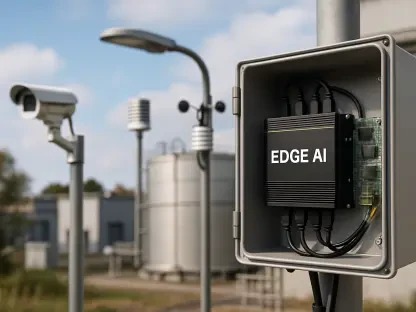
The transition toward a dense network architecture serves as the primary catalyst for rising internal temperatures across the telecommunications landscape. To satisfy the low-latency requirements of modern applications, equipment is being relocated from centralized, climate-controlled hubs into compact small cells and edge data centers. This localized approach places high-performance hardware into tight enclosures that were fundamentally never designed to dissipate such concentrated thermal energy. When multiple radio units and high-speed processors are crammed into a single cabinet, the internal ambient temperature can rise to levels that trigger automated throttling or complete system shutdowns. This physical reality proves that a network is only as robust as its underlying cooling capabilities, making thermal management a foundational element of infrastructure design rather than an afterthought.
An over-reliance on traditional Heating, Ventilation, and Air Conditioning (HVAC) systems has transformed from a standard practice into a significant financial and operational burden. These mechanical units are notoriously energy-intensive, often accounting for nearly half of a site’s total electricity consumption, which becomes an unsustainable expense for operators managing thousands of remote locations. Beyond the utility costs, the mechanical complexity of HVAC systems leads to frequent failures, especially when units are exposed to harsh outdoor environments or varying climates. These malfunctions necessitate expensive and time-consuming manual repairs, known as truck rolls, which drain resources and increase the carbon footprint of the network. As the number of edge sites grows, the labor-intensive nature of maintaining traditional cooling systems creates a scalability crisis that requires a radical departure from conventional mechanical solutions.
Innovative Cooling Techniques and Airflow Logic
To combat the inherent inefficiencies of mechanical refrigeration, the industry is increasingly adopting Direct Air Cooling (DAC) as a primary thermal management strategy. This method utilizes filtered ambient air to regulate internal temperatures, offering a more sustainable alternative that can reduce cooling-related energy consumption by more than 75% compared to standard HVAC. By leveraging natural outdoor temperatures whenever atmospheric conditions allow, operators can drastically lower their operational expenditures while simultaneously reducing their environmental impact. This shift represents a move toward working in harmony with the environment rather than fighting against it through the constant application of power-hungry compressors. Implementing DAC effectively turns the surrounding air into a resource, providing a simplified yet highly effective way to keep sensitive electronics within safe operating parameters.
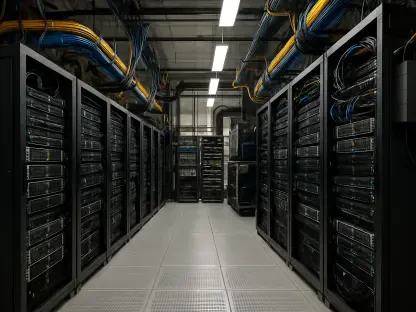
Beyond simply introducing outside air, the internal architecture of modern network shelters is being redesigned to mirror the precision of large-scale data centers. By implementing structured airflow management techniques, such as the creation of hot and cold aisle configurations, operators can prevent the problematic mixing of intake and exhaust air. This logical separation ensures that thermal energy is systematically moved away from sensitive components rather than being allowed to recirculate and build up within the enclosure. Such precision prevents the formation of localized hot spots, which are often the hidden culprits behind sporadic equipment malfunctions and unexpected system downtime. By treating the inside of a small cabinet with the same architectural rigor as a massive server room, the industry can ensure that even the most densely packed equipment remains cool and functional regardless of its physical footprint.
Data-Driven Operations and Thermal Consistency
The management of network heat is evolving from a reactive maintenance task into a proactive, data-driven discipline that utilizes the latest in sensor technology. Modern sites are now equipped with sophisticated monitoring arrays and automated control systems that provide operators with real-time visibility into environmental conditions. This integration allows for predictive maintenance, where the system can identify a failing component, such as a clogged air filter or a struggling fan motor, before it triggers a system-wide shutdown. This level of oversight is essential for maintaining vast, geographically dispersed networks where manual inspections are no longer practical or cost-effective. By transforming thermal management into an intelligent, self-reporting system, companies can transition from a “break-fix” mentality to a continuous optimization model that ensures maximum uptime across the entire infrastructure.
A critical nuance in high-performance cooling that is often overlooked is the prioritization of thermal stability over absolute temperature reduction. Traditional HVAC systems typically operate on a cycle, turning on when a high threshold is reached and shutting off once the air is cooled, which causes internal temperatures to swing wildly. This thermal cycling is arguably more damaging than a steady, slightly elevated temperature because it leads to the constant expansion and contraction of electronic materials, which can effectively cut the lifespan of expensive hardware in half. By maintaining a consistent, controlled airflow, operators can provide a stable environment that protects the integrity of solder joints and delicate circuits. Ensuring this steady-state operation is vital for the longevity of the equipment and the high reliability required for critical communication services, especially as hardware replacement costs continue to rise.
Strategic Hybrid Models and Long-Term Sustainability
The future of infrastructure cooling lies in a hybrid approach that combines the extreme efficiency of Direct Air Cooling with the reliability of traditional HVAC as a redundant backup. This toolbox strategy allows for maximum energy savings during normal operating conditions while providing a vital safety net for extreme weather events or heatwaves. By integrating these systems, operators can ensure that the network remains functional under a wide variety of environmental stresses without sacrificing their sustainability goals. This flexible model allows for a more nuanced approach to site management, where the cooling method is dynamically selected based on real-time external data. Such adaptability is becoming a necessity as the climate becomes more unpredictable, forcing infrastructure to be more resilient and responsive to external changes than ever before.
Finally, advancements in heat management have become central to meeting global sustainability and ESG targets, which are now major drivers of corporate strategy. As the digital world expands, the strain on the electrical grid increases, making energy-efficient cooling a regulatory and financial imperative for the telecommunications sector. By reducing the power demand of network sites, operators not only realize significant cost savings but also position themselves as leaders in the transition toward green infrastructure. Solving the heat crisis is no longer just a technical necessity; it is a strategic advantage in a competitive, data-driven market where efficiency is as valuable as speed. To move forward, the industry must prioritize the deployment of autonomous cooling systems that require minimal human intervention, effectively decoupling network growth from increased maintenance costs and energy consumption.