
The rapid escalation of global data consumption has pushed traditional telecommunications infrastructures to their absolute breaking point, necessitating a fundamental shift in how networks are managed and maintained. In response to this mounting pressure, Capgemini and TELUS recently finalized a strategic partnership to revolutionize network operations across Canada by moving toward a fully autonomous framework. This transition marks a departure from traditional manual, rules-based management and shifts the focus toward advanced intent-based systems that require minimal human intervention. By integrating intelligent closed-loop mechanisms, the new infrastructure can proactively detect anomalies and predict hardware failures before they impact the end-user experience. This initiative is designed to enhance overall network resilience while simultaneously reducing the operational costs and complexity associated with legacy systems. The collaboration sets a new standard for how modern carriers can leverage deep automation to maintain stability and performance in an increasingly connected world.
Engineering the Autonomous Future
Implementing Closed-Loop AI Systems
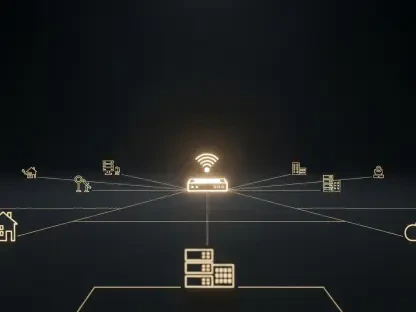
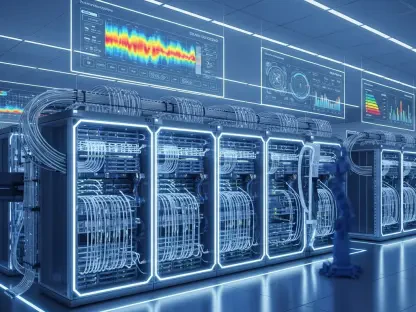
The core of this transformation lies in the deployment of sophisticated intent-based networking, which allows the system to understand high-level business goals and translate them into technical configurations automatically. Unlike previous iterations of automation that relied on rigid scripts, these AI-driven mechanisms operate through continuous feedback loops that monitor performance metrics in real time. If a potential bottleneck is identified, the system independently executes resolution protocols to rebalance traffic or reconfigure resources without requiring a technician to intervene. This proactive approach significantly reduces the time to resolution for network errors and ensures that services remain uninterrupted even during peak usage periods. Furthermore, the integration of predictive analytics allows for the identification of aging hardware components, enabling pre-emptive maintenance cycles that prevent catastrophic failures. By shifting from a reactive to a predictive stance, the network becomes a self-healing entity capable of maintaining peak performance levels through its own internal logic and processing power.
Scaling Proprietary Automation Platforms
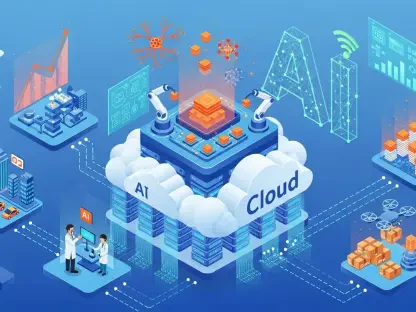
A central technical pillar of this agreement involves the substantial modernization of the proprietary network-automation platform that TELUS has developed over several years. By incorporating Capgemini’s extensive global expertise in artificial intelligence and engineering, the platform is being redesigned to support massive scalability and significantly faster update cycles. This modernization is critical for keeping pace with the rapid evolution of 5G technologies and the emerging demands of specialized industrial applications. The partnership ensures that the software-driven components of the network can be updated with the same agility as cloud-based services, allowing for the rapid rollout of new features and security patches. As the platform matures, it will provide a unified interface for managing diverse network domains, breaking down the silos that typically hinder operational efficiency in large-scale telecommunications environments. This holistic view of the infrastructure allows for more granular control over resource allocation, ensuring that high-priority services receive the bandwidth they require while maintaining an optimal balance across the entire ecosystem.
Strategic Impacts on the Telecom Landscape
Achieving Level 3 Industry Autonomy
The journey toward fully autonomous operations is supported by data from the Capgemini Research Institute, which highlights a significant gap between current capabilities and future industry goals. While approximately eighty-four percent of global telecom operators are currently operating at relatively low levels of autonomy, there is a clear and aggressive push to reach Level 3 autonomy by the end of 2028. At this advanced stage, networks gain the capability to self-monitor and self-heal across multiple domains, representing a significant leap over the assisted automation found in many current deployments. The progress made from 2026 to 2028 will likely define the winners and losers in the telecommunications sector, as those who achieve higher levels of autonomy will enjoy substantial advantages in speed and cost. This strategic alignment between TELUS and Capgemini positions both companies at the forefront of this global trend, providing a roadmap for other regional carriers to follow. By committing to these milestones today, the partnership ensures a competitive edge that is rooted in technological excellence rather than just market presence, fostering an environment where innovation can flourish through automated precision.
Navigating the Intelligent Transformation
The strategic partnership between these two industry leaders established a definitive benchmark for how telecommunications companies should approach the challenges of the late decade. Leaders from both organizations emphasized that this effort was never merely a technical upgrade but rather a comprehensive move toward a broader intelligent transformation. By leveraging a long history of engineering excellence and operational insight, the parties successfully integrated complex AI models into the daily workflow of network management. This transition allowed for greater organizational agility, enabling the carrier to respond to market shifts with unprecedented speed and accuracy. Moving forward, the industry must focus on refining these autonomous systems to handle even more complex variables, such as the dynamic energy requirements of large-scale data centers. The success of this initiative suggested that future network investments should prioritize software-defined intelligence over hardware expansion alone. As these systems continue to learn and adapt, they will provide the foundational stability required for the next generation of digital services, ensuring that connectivity remains both seamless and sustainable for all participants in the global economy.