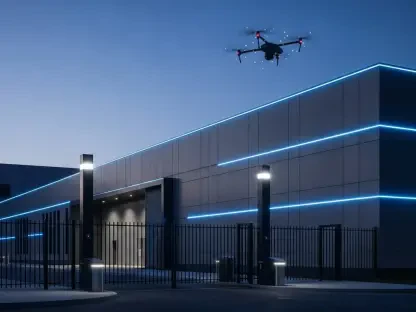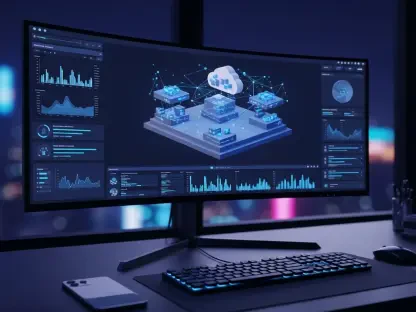

Imagine a world where the backbone of the digital economy—data centers powering cloud computing and artificial intelligence—teeters on the edge of disaster due to overlooked safety flaws. In 2025, as power demands skyrocket, the data center industry faces a critical yet under-discussed challenge: a profound gap in safety protocols and design practices that risks both human lives and operational stability. This market analysis delves into the evolving landscape of data center infrastructure, examining current trends in power management, identifying hidden risks in design and operation, and projecting future shifts that could redefine safety standards. The purpose is clear: to highlight the urgency of addressing these gaps and to provide strategic insights for stakeholders aiming to safeguard reliability in an increasingly data-driven era.
Market Overview: The Shift to Utility-Scale Power Demands
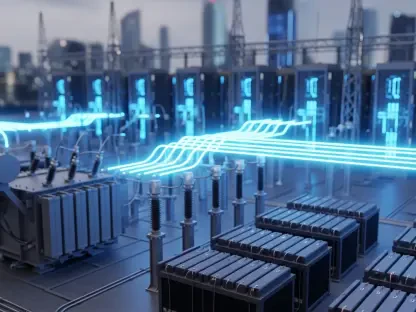
Data centers have undergone a seismic transformation, evolving from modest IT hubs into powerhouses rivaling small utilities. This shift, driven by the exponential growth of AI workloads and cloud services, has seen facilities managing voltages between 5 and 34.5 kilovolts—a realm once exclusive to traditional utility operators. Unlike utilities, however, many operators in this space lack the decades of experience and structured training needed to handle such systems safely. The market now grapples with a stark disparity: while the scale of power infrastructure has surged, operational mindsets often remain rooted in commercial building practices, ill-suited for utility-grade challenges. This mismatch not only threatens facility uptime but also poses systemic risks to the broader digital economy, making safety a top concern for industry leaders.
Moreover, the rapid pace of expansion exacerbates these issues. As companies race to meet capacity demands, investments in cutting-edge IT often outstrip allocations for power infrastructure safety. The result is a market where innovation in compute power overshadows critical but less glamorous needs like high-voltage training and design upgrades. Understanding this trend is vital, as it sets the stage for analyzing specific safety gaps and the economic pressures that perpetuate them, painting a picture of an industry at a crossroads between growth and risk mitigation.
Diving Deep: Key Safety and Design Challenges Impacting the Market
Expertise Gap: A Barrier to Safe Operations
One of the most alarming trends in the data center market is the expertise mismatch between utility-trained professionals and facility power teams. Utilities rely on rigorous training programs and organizational hierarchies to manage high-voltage systems, minimizing human error during interactions with energized equipment. In contrast, many data center personnel, while adept in IT operations, lack comparable grounding in handling medium- and high-voltage gear. This gap becomes a glaring liability during maintenance tasks, where the risk of arc-flash incidents or electrical faults looms large, potentially leading to severe injuries or prolonged downtime.
The economic ripple effects are significant. Safety incidents can halt operations for weeks as teams source replacement parts, costing millions in lost revenue and damaging client trust. Beyond individual facilities, this trend signals a broader market vulnerability—without addressing the skills shortage, the industry risks undermining confidence in its ability to support critical digital services. Stakeholders must recognize that investing in utility-level training isn’t just a safety measure; it’s a competitive necessity in a sector where reliability is paramount.
Maintenance Risks: Outdated Practices in a Modern Era
Another troubling pattern lies in the persistence of outdated maintenance practices across many data centers. Traditional metal-clad breaker gear, still widely used, often demands manual intervention—think of technicians “racking out” large breakers near live circuits. Such tasks expose workers to substantial hazards while also jeopardizing uptime; a single fault can cascade, damaging critical components and forcing reliance on backup systems. Compared to utility practices that prioritize remote or automated maintenance to limit human exposure, much of the data center market lags behind.
This reliance on risky methods reflects a deeper systemic issue: short-term cost savings often trump long-term safety investments. Yet, emerging modular systems that isolate faults without manual input are gaining traction among forward-thinking operators, hinting at a potential market shift. If adopted widely, these innovations could redefine safety benchmarks, reducing both human risk and operational losses. The challenge for the market is to accelerate this transition before preventable incidents erode trust further.
Design Flaws: Spatial Constraints and Missed Opportunities
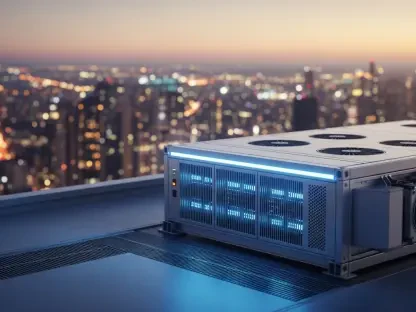
Beyond skills and maintenance, the market reveals critical design oversights that compound safety risks. A notable trend is the indoor placement of medium-voltage equipment, despite its original design for outdoor utility environments. Keeping such gear inside not only heightens human exposure to high-voltage dangers but also eats into valuable space better used for revenue-generating IT hardware. Additionally, indoor setups drive up costs through specialized HVAC needs and complicate permitting and insurance processes, creating inefficiencies that utilities largely avoid.
Analysis suggests that relocating this equipment outdoors—aligning with utility norms—could yield dual benefits: enhanced safety and optimized facility layouts. Yet, hesitancy persists, often fueled by misconceptions about weather resilience or security risks. Overcoming these barriers could unlock significant market advantages, freeing up capital and space for growth. As competition intensifies, operators who pioneer such spatial redesigns may well gain a strategic edge, setting a new standard for efficiency and safety.
Future Projections: Innovations Reshaping Data Center Safety
Looking ahead, the data center market stands on the brink of transformative change, with utility-inspired innovations poised to address longstanding safety gaps. Distributed electrical architectures, including loop configurations and localized protection systems, are emerging as game-changers, capable of isolating faults and preventing widespread outages unlike traditional centralized switchgear. Market forecasts indicate that adoption of these systems could rise sharply by 2027, driven by growing demand for uptime reliability in AI and cloud applications. Automation, too, is set to play a pivotal role, with real-time monitoring tools expected to minimize human intervention, slashing error rates and speeding fault recovery.
Regulatory pressures for grid stability and economic incentives for sustainable infrastructure are likely to further fuel these trends. Industry projections suggest that within the next few years, data centers could mirror utility models more closely, provided investments in training and technology keep pace with power demands. However, market players must navigate supply chain constraints and standardization challenges to fully realize these gains. Those who proactively adopt such advancements stand to not only mitigate risks but also position themselves as leaders in a safety-conscious market.
Strategic Reflections and Market Recommendations
Reflecting on this analysis, it became evident that the data center industry had reached a critical inflection point where safety and design gaps posed tangible threats to growth and stability. The expertise mismatch, coupled with outdated maintenance practices and spatial inefficiencies, had exposed vulnerabilities that rippled across the market, impacting everything from worker safety to client reliability. Yet, the emergence of distributed systems and automation had offered a glimpse of a safer, more resilient future, underscoring the potential for transformation if strategic action was prioritized.
Moving forward, stakeholders should focus on actionable steps to close these gaps. Investing in utility-grade training programs for power teams must be a cornerstone, ensuring personnel are equipped to handle high-voltage systems with confidence. Simultaneously, redesigning facilities to incorporate outdoor equipment placement and distributed architectures can optimize both safety and space utilization. Embracing automation isn’t merely an option but a necessity to reduce human error and enhance operational agility. Finally, standardizing equipment across fleets and maintaining strategic inventories can shield against supply chain disruptions, preserving safety standards under pressure. By committing to these measures, the market can evolve into a robust, reliable pillar of the digital economy, ready to meet escalating demands without compromising on safety.