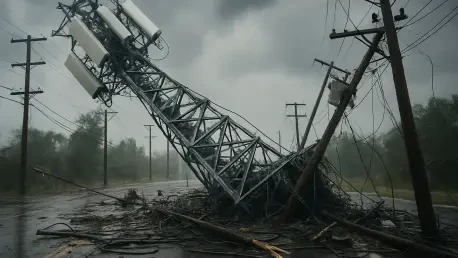

Imagine a nation suddenly cut off from the world, where phone lines go silent, internet connections vanish, and even emergency calls struggle to get through in the wake of a catastrophic natural disaster. This is the harsh reality Sri Lanka faced recently, as a devastating event wreaked havoc on its telecommunication infrastructure. Power outages and severed fibre-optic cables left large swathes of the island, especially in the central highlands and Eastern Province, disconnected from vital communication channels. The impact rippled beyond mere inconvenience, hampering disaster response efforts and exposing the fragility of modern connectivity in the face of nature’s fury. As recovery efforts unfold, the story of this crisis reveals not only the scale of destruction but also the resilience and ingenuity driving the path to restoration. What does it take to reconnect a nation under such dire circumstances, and what lessons emerge from this ordeal?
The Scope and Impact of the Crisis
Unraveling the Scale of Disruption
The scale of the telecommunication breakdown in Sri Lanka following the disaster paints a sobering picture of technological vulnerability. Entire regions found themselves isolated as power failures and physical damage to critical fibre-optic networks severed communication lines. The central highlands and Eastern Province bore the brunt, with communities unable to reach emergency services or coordinate relief. This wasn’t just a technical glitch; it was a profound disruption that stalled rescue operations and delayed critical updates during a time of urgent need. Reports indicate that while significant progress has been made, with around 80% of services restored within 48 hours, the remaining gap underscores persistent challenges. The ripple effects touched every aspect of life, from families unable to contact loved ones to authorities struggling to organize aid. This crisis laid bare how deeply society relies on seamless connectivity, especially when disaster strikes with unrelenting force.
Hindering Disaster Response Efforts
Beyond the immediate loss of communication, the outage dealt a severe blow to disaster response mechanisms across Sri Lanka. With telecom services down, coordinating rescue missions became a logistical nightmare, as emergency teams grappled with broken lines of contact in areas already battered by nature. The absence of reliable networks meant delays in dispatching aid to isolated zones, where continuous rainfall and landslide risks compounded the chaos. This disconnect wasn’t merely inconvenient—it potentially cost lives, as timely information couldn’t reach those in desperate need. Moreover, the inability to update residents on evolving threats like further flooding added layers of uncertainty. The situation highlighted a critical dependency on robust communication infrastructure during crises, forcing responders to rely on fragmented, often manual, methods to bridge the gap. As recovery inches forward, the urgency to restore full connectivity remains tied to the broader goal of saving lives and rebuilding trust in the system.
Pathways to Recovery and Resilience
Power Restoration as the Key Priority
Turning the tide on Sri Lanka’s telecom crisis hinges on a fundamental challenge: restoring power to fuel communication networks. Without stable electricity, even the most advanced systems grind to a halt, as emphasized by officials from the Ministry of Digital Economy and the Telecommunications Regulatory Commission. The Ceylon Electricity Board has been working tirelessly to revive power grids, yet progress crawls due to blocked roads and unstable terrain in affected districts. Temporary solutions, such as deploying generators to remote areas like Gampola and Badulla, have offered a lifeline, keeping some services online. However, these stopgap measures only underline the enormity of the task ahead. The consensus is clear—until power flows reliably, full telecom recovery remains out of reach. This struggle reveals the intricate interplay between energy and connectivity, a lesson that may shape future disaster preparedness in profound ways. How long can patchwork fixes hold before a permanent solution emerges?
Innovative Strategies and Collaborative Efforts
Amid the daunting obstacles, Sri Lanka’s response to the telecom outage showcases remarkable creativity and collaboration. One striking initiative involves a fibre-sharing arrangement with the Ceylon Electricity Board, a novel approach to patch connectivity gaps where commercial networks remain damaged. This partnership reflects an adaptive spirit, as does the deployment of volunteer-run radio communication links by the Radio Society of Sri Lanka in areas cut off from traditional networks. Additionally, government support, bolstered by international aid from India and assistance from the armed forces, has amplified recovery efforts in hard-hit regions. Private telecom companies, despite financial strain, are shouldering immediate repair costs while awaiting broader damage assessments. These combined efforts paint a picture of unity in crisis, though logistical hurdles and ongoing weather threats temper optimism. Still, such innovative measures signal a determination to not just recover, but to rebuild stronger.
Building a More Resilient Future
Reflecting on the telecom disruptions that struck Sri Lanka, the past weeks revealed both vulnerabilities and victories in the face of overwhelming odds. The disaster exposed how quickly a nation can be silenced by infrastructure failures, yet the rapid restoration of 80% of services within mere days spoke to an unyielding resolve. Looking back, the coordinated push involving government bodies, private entities, and international partners stood as a testament to collective grit. Moving forward, the focus must shift to fortifying systems against future calamities. Investing in redundant power solutions, hardening fibre-optic networks, and expanding community-based communication alternatives could prevent such widespread outages. Beyond technology, fostering stronger public-private partnerships will be crucial to streamline recovery. As Sri Lanka rebuilds, the lessons from this crisis should guide policies that prioritize resilience, ensuring that when disaster strikes again, the lines of communication remain open and unbreakable.