
The insatiable energy appetite of artificial intelligence is colliding with the physical limitations of an aging power grid, creating a critical bottleneck that threatens to stall technological progress. As demand for high-performance computing skyrockets, the conventional approach of building massive, centralized data centers has proven increasingly unsustainable, often requiring years of planning to secure the necessary power infrastructure. This has led to significant grid congestion in many regions, delaying projects and limiting the expansion of AI capabilities. In response to this mounting challenge, a groundbreaking initiative has emerged to fundamentally rethink the relationship between data processing and energy distribution. By decentralizing AI infrastructure and co-locating smaller data centers directly with available grid capacity, this new model aims to bypass existing bottlenecks. The strategy focuses on bringing real-time AI processing closer to where data is generated, tapping into underutilized power resources and creating a more agile and resilient computational network.
A Decentralized Approach to Powering AI
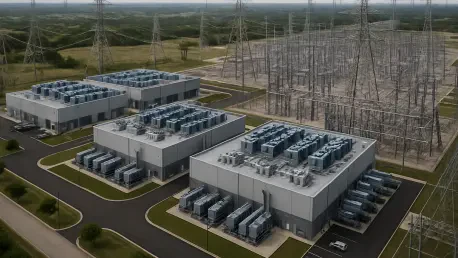
At the heart of this transformative effort is a strategic partnership that brings together expertise from the energy, technology, real estate, and infrastructure sectors. The collaboration involves EPRI, which provides critical research validation; NVIDIA, which supplies its cutting-edge GPU-accelerated computing platforms; Prologis, which handles land site evaluation and logistics; and InfraPartners, which is responsible for deploying the physical data center infrastructure. The core of their joint project is the establishment of a scalable, decentralized model built around smaller-scale data centers, ranging from 5 to 20 megawatts. These facilities are being strategically located near utility substations that have “stranded” or otherwise available grid capacity. This innovative placement allows the data centers to draw power directly from underutilized parts of the grid, thereby avoiding long and costly transmission upgrades. The partnership has set an ambitious goal to launch at least five pilot sites across the United States by the end of the year, demonstrating the viability and scalability of this distributed method.
Fostering Grid Resilience and Industry Growth
This pioneering approach to data center deployment offered more than just a solution to power constraints; it represented a strategic move toward a more integrated and resilient digital and energy infrastructure. By distributing computational loads across multiple smaller sites, the model inherently bolstered grid stability and enhanced overall system flexibility. This decentralization also facilitated a more seamless integration of renewable energy sources, as data centers could be located closer to wind or solar generation sites with available capacity. For industries reliant on high-speed, location-specific data processing—such as logistics, healthcare, and finance—the benefits were immediate. Bringing AI inference capabilities closer to the edge reduced latency and enabled real-time analytics, unlocking new efficiencies and services. The collaborative framework laid the groundwork for a future where the development of AI and the modernization of the power grid were no longer separate endeavors but were instead pursued as a single, synergistic objective.