
In today’s deeply interconnected business landscape, the operational stability of an organization is inextricably linked to the performance and security of its digital systems. The widespread adoption of cloud computing, the normalization of distributed workforces, and the ever-growing sophistication of cyber threats have collectively pushed traditional information technology management to its breaking point. What was once a supplementary, reactive “break-fix” service has now fundamentally evolved into a core infrastructural component, as indispensable as finance or human resources for ensuring business continuity, mitigating risk, and enabling competitive advantage. This paradigm shift has redefined the role of IT, transforming it from a background utility into a strategic pillar that requires proactive, expert oversight. As a result, organizations of all sizes are re-evaluating their approach, recognizing that a resilient and secure technological foundation is no longer optional but a non-negotiable prerequisite for modern success.
The Shift from Reactive Support to Proactive Strategy
The Inadequacy of Traditional IT Models
Legacy IT support structures, which typically consist of small internal teams or on-demand service arrangements, are proving increasingly ill-equipped to handle the multifaceted demands of the modern digital ecosystem. These models were designed for a simpler era of centralized offices and predictable workloads, making them inherently reactive. Their “break-fix” approach means that problems are only addressed after they have already caused disruptions, leading to operational downtime that directly impacts productivity and revenue. Furthermore, these fragmented systems struggle to provide the continuous, high-performance connectivity required by a geographically dispersed workforce. This often results in inconsistent security practices across different locations and devices, creating significant vulnerabilities. For small and mid-sized organizations, which often lack dedicated, specialized resources, the reliance on these outdated models escalates their exposure to tangible negative outcomes, from frequent outages to a compromised security posture that can no longer withstand contemporary pressures.
The shortcomings of traditional IT extend beyond operational inefficiencies into critical areas of finance and compliance. The on-demand nature of legacy support leads to highly unpredictable and often escalating costs, making it difficult for businesses to budget effectively for their technological needs. A minor issue can quickly spiral into a costly emergency, straining financial resources without warning. Moreover, these models lack the specialized expertise needed to navigate the complex web of data security and privacy regulations, such as GDPR and HIPAA. A failure to meet these stringent compliance obligations can result in severe financial penalties and reputational damage. This leaves businesses, particularly smaller enterprises, in a precarious position, where they are forced to manage an increasingly complex and high-stakes technological environment with a support structure that is neither cost-effective nor capable of mitigating the full spectrum of modern digital risks, thereby hindering their ability to scale securely and confidently.
The Comprehensive Scope of Modern Managed IT
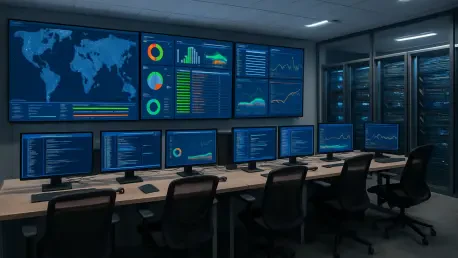
In stark contrast to the limitations of legacy systems, modern Managed IT Services (MITS) offer a comprehensive and proactive framework designed for the complexities of the current business environment. The core philosophy of MITS moves decisively away from reactive troubleshooting toward holistic and preventative management. This is achieved through an integrated service structure that includes continuous, 24/7 monitoring of all critical networks and systems. This constant oversight allows for the preemptive identification and resolution of potential issues long before they can escalate into service-disrupting outages. The scope of this management includes optimizing the cloud platforms that are central to modern operations, ensuring they deliver peak performance, security, and cost-efficiency. By entrusting their digital backbone to a managed service provider, organizations can maintain a stable, resilient, and high-performing technological foundation that supports, rather than hinders, their daily operations and long-term strategic goals.
Beyond foundational infrastructure, the MITS model provides robust support and governance layers that are essential for a distributed workforce. A key component is a centralized help desk that offers end-users immediate and reliable access to technical assistance, ensuring that employees can remain productive regardless of their physical location. This consistent support experience is complemented by a strong focus on IT governance and compliance. Managed services providers implement and enforce clearly defined policies for data access, device management, and software usage across the entire organization. This structured approach not only fosters operational consistency and security but also helps organizations document their processes effectively, ensuring they are prepared for audits and can demonstrate adherence to relevant regulatory requirements. This comprehensive oversight transforms IT from a series of disparate functions into a cohesive, well-managed ecosystem that enhances security, streamlines operations, and empowers the workforce.
Key Drivers and Strategic Benefits
Cybersecurity as a Primary Catalyst
The increasingly hostile and sophisticated cybersecurity landscape has become one of the most significant catalysts driving the widespread adoption of Managed IT Services. As cyber threats—ranging from ransomware to advanced persistent threats—grow in frequency and complexity, organizations without dedicated, specialized security teams face an unacceptable and ever-present level of risk. A generalist internal IT team, already stretched thin with day-to-day support tasks, simply cannot keep pace with the evolving tactics of malicious actors. MITS address this critical gap by offering an integrated, multi-layered security approach that treats cybersecurity as a core function rather than an afterthought. This includes managing advanced endpoint protection, implementing strict access controls, providing active threat detection and response, and ensuring that an organization’s defenses are continuously updated to guard against the latest vulnerabilities, thereby dramatically improving its overall security posture.
Beyond preventative measures, the value of MITS is profoundly evident in an organization’s ability to respond to and recover from a security incident. A core component of a mature managed security service is the implementation of robust data backup and disaster recovery protocols. These systems are not merely about creating copies of data; they involve strategic planning and regular testing to ensure that, in the event of a breach or system failure, operations can be restored quickly and with minimal data loss. This focus on business continuity is crucial, as it shifts the cybersecurity paradigm from one of pure defense to one of organizational resilience. By integrating proactive security with comprehensive recovery plans, MITS provide a framework that not only reduces the likelihood of a successful attack but also minimizes its potential impact, ensuring the organization can withstand and recover from even the most severe cyber events.
A Strategic Investment in Business Resilience
The contemporary business landscape has driven a pivotal reframing of IT support in both financial and strategic terms. Organizations are progressively moving away from viewing IT as a discretionary operational cost and are instead evaluating it as a long-term, strategic investment in their own resilience and continuity. By consolidating the complexities of IT management under a single, structured service model, businesses achieve predictable, transparent costs that eliminate the financial uncertainty associated with the reactive, break-fix approach. This financial stability is a significant benefit, but the true strategic value lies in the reduction of operational risk. A professionally managed IT environment minimizes the threat of costly downtime, data breaches, and compliance failures, thereby creating a more stable and secure foundation upon which the entire business can operate and grow, freeing up capital and resources for other strategic initiatives.
Ultimately, the adoption of managed services became a transformative decision that allowed organizations to sharpen their focus on what they do best. By delegating the intricate and time-consuming responsibility of technical management to a specialized partner, leadership teams were able to divert their attention and energy away from IT complexities and toward core business objectives, such as product development, market expansion, and customer engagement. This strategic shift positioned Managed IT Services as the most effective model for organizations, particularly small and mid-sized enterprises, to navigate technological complexity, mitigate pervasive digital risks, and maintain the operational agility required to compete. The evolution concluded with MITS being recognized not as an outsourced option, but as a foundational component of any successful and sustainable business strategy in a world defined by digital transformation.