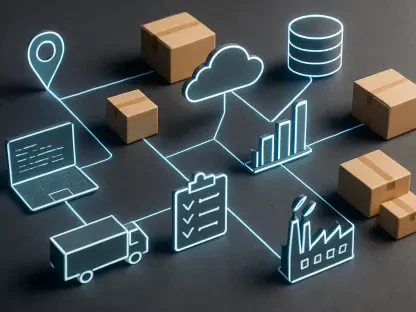

The global conversation around climate change often centers on large-scale industrial processes and transportation, yet a powerful, less-discussed solution is rapidly expanding within the invisible infrastructure of our digital world. While the energy consumption of technology is a valid concern, the modernization of wireless networks offers a surprisingly potent strategy for reducing greenhouse gas emissions on a national and even global scale. The deployment of 5G technology, far from being just another drain on the power grid, represents a fundamental shift in energy efficiency and an enabling platform for greener innovations across multiple sectors. This transition is not merely about faster downloads; it is about building a more intelligent, responsive, and ultimately more sustainable economic and social framework. By harnessing the capabilities of next-generation wireless, societies can achieve significant environmental benefits, fundamentally changing how we manage energy, move people and goods, and operate our cities.
The Foundation of a Greener Grid
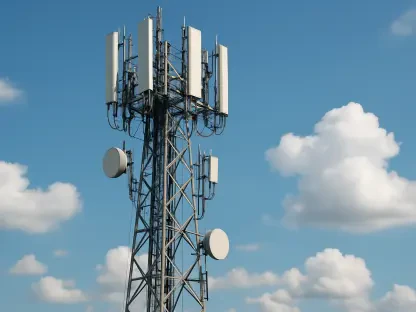
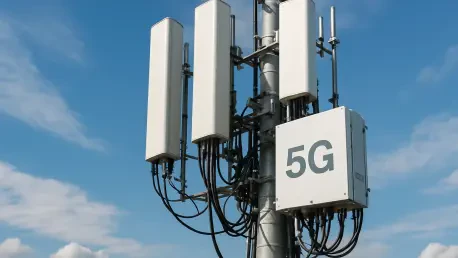
Upgrading a nation’s digital infrastructure provides a direct and immediate pathway to reducing its carbon footprint, a benefit realized through inherent technological superiority over older systems. For countries still operating on legacy 2G and 3G networks, the transition to modern 4G and especially 5G systems results in substantial gains in energy efficiency. This is because newer network hardware is designed from the ground up to handle exponentially more data with a lower power-per-bit cost. Advanced technologies, such as MIMO (multiple-input/multiple-output) antennas, allow for more data streams to be transmitted simultaneously without a proportional increase in energy consumption. Furthermore, 5G base stations incorporate sophisticated power-saving features, including the ability to enter a “sleep mode” during periods of low traffic, drastically cutting down on idle energy waste. This direct replacement of outdated, inefficient hardware with state-of-the-art, energy-conscious equipment creates an immediate and measurable reduction in the electricity required to keep a country connected.
The environmental advantages of network modernization extend beyond simple hardware swaps, fundamentally altering how digital services are delivered and consumed. While the initial build-out of 5G infrastructure and a subsequent surge in data usage can lead to a temporary increase in emissions, comprehensive data indicates this phase is short-lived. The long-term impact reveals a significant net reduction in carbon output as the efficiency gains and enabling effects of the technology take hold. As 5G becomes widely integrated, it creates a cascading effect of sustainability improvements. For instance, the low latency and high reliability of 5G are critical for the operation of smart power grids. These advanced electrical networks can optimize the distribution of energy from various sources, including renewables, detect and respond to faults in real-time to prevent blackouts, and manage demand more effectively. This level of granular control minimizes energy loss during transmission and helps utilities operate far more efficiently, directly addressing emissions from the power sector.
Enabling Sustainability Across Industries
In nations with advanced economies, the most profound environmental benefits of 5G are realized indirectly, by empowering other major industries to operate more sustainably. The transportation sector, which stands as the largest source of greenhouse gas emissions in the United States, is a prime example. The high-bandwidth, low-latency communication provided by 5G is the key to unlocking the full potential of connected vehicle networks. These systems allow cars to communicate with each other and with city infrastructure, leading to optimized traffic flow, the prevention of accidents that cause major congestion, and intelligent parking solutions that eliminate the fuel wasted by circling for a spot. By reducing idling and unnecessary travel time on a city-wide scale, 5G directly cuts fuel consumption. Moreover, it strengthens the backbone for enhanced public transportation systems and more efficient ride-sharing services, encouraging a societal shift away from single-occupancy vehicles and further reducing the number of cars on the road.
The impact of 5G extends deeply into the built environment, where it can revolutionize energy management in commercial and residential buildings. Smart buildings rely on vast networks of Internet of Things (IoT) sensors to monitor and control everything from lighting and HVAC systems to security and water usage. While previous network generations struggled to support thousands of devices within a small area, 5G is specifically designed for massive IoT deployments, offering the capacity and reliability needed to connect every sensor seamlessly. This constant stream of data allows building management systems to make intelligent, real-time adjustments, ensuring that energy is used only when and where it is needed. Over time, this granular control leads to significant reductions in a building’s overall energy consumption and carbon footprint. When applied across entire cities, 5G-enabled smart buildings and smart grids work in concert to create a more efficient and sustainable urban ecosystem, making a substantial contribution to national climate goals.
A Path Forward Through Policy and Innovation
The successful deployment of 5G as a climate solution was ultimately contingent on strategic legislative action and the removal of outdated regulatory hurdles. Recognizing that the environmental benefits were tied to the speed and breadth of the network rollout, federal bodies like the FCC and Congress took decisive steps to streamline the process. They reformed policies, such as the National Environmental Policy Act (NEPA), that had previously created bottlenecks for the installation of critical infrastructure. By modernizing these regulations, lawmakers facilitated the rapid expansion of next-generation wireless networks across the country. This proactive approach underscored a critical finding: achieving national goals for both digital connectivity and environmental sustainability were not separate objectives but deeply interconnected priorities. The widespread adoption of 5G, supported by focused and forward-thinking policy, became a vital instrument in the broader strategy to build a more resilient and environmentally responsible nation.