
In the face of an increasingly complex and hostile digital landscape, organizations are grappling with the reality that isolated security measures are proving insufficient against the coordinated and persistent campaigns waged by modern cyber adversaries. The traditional approach of deploying disparate, best-of-breed solutions has inadvertently created a fragmented defense posture, riddled with gaps that sophisticated attackers are adept at exploiting. This siloed environment complicates visibility, slows down response times, and ultimately leaves enterprises vulnerable. As threat actors leverage automation and artificial intelligence to scale their attacks, the need for a paradigm shift in cybersecurity strategy has become undeniable. The focus is now moving away from individual fortifications and toward the creation of a powerful, unified front, where collaboration and integration are not just advantageous but essential for survival. This evolving philosophy posits that the collective strength of an interconnected ecosystem can provide a more resilient and adaptive defense than the sum of its individual parts, heralding a new era of collective cyber defense.
The Architecture of Collective Defense
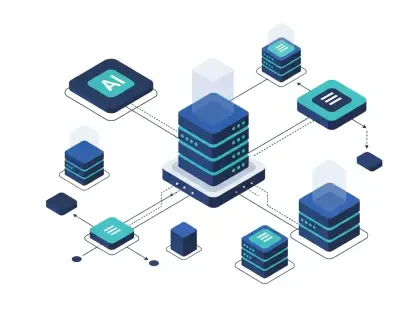
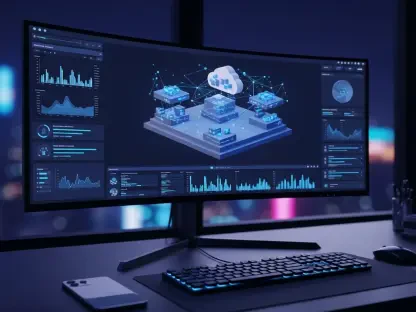
At the heart of this strategic evolution is the rise of collaborative security ecosystems, exemplified by initiatives like the Microsoft Intelligent Security Association (MISA). This association functions as a consortium of independent software vendors and managed security service providers, all dedicated to building solutions that seamlessly integrate with Microsoft’s extensive security technologies. The core objective is to dismantle the operational silos that hinder effective threat management. By fostering deep interoperability, MISA enables a more holistic and robust security posture. A prime example of this trend is the recent inclusion of technology company AVASOFT, which is integrating its offerings with a wide spectrum of Microsoft Security products, including Microsoft Entra, Intune, Defender XDR, Defender for Cloud, Purview, Sentinel, and Priva. This strategic alignment ensures that diverse security functions, from identity and access management to cloud-native application protection, can communicate and operate in concert, providing a unified defense layer tailored for complex hybrid and multi-cloud infrastructures.
From Integration to Intelligent Response
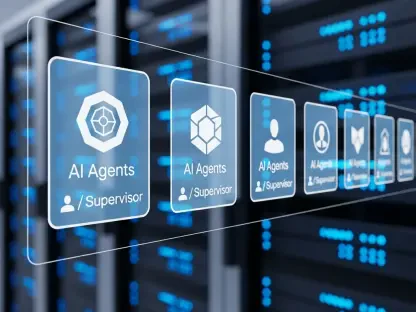
The true power of such an integrated ecosystem is fully unlocked when combined with advanced artificial intelligence, transforming a static defense into a dynamic and intelligent response system. By linking interconnected security tools with an AI-powered engine like Microsoft Security Copilot, organizations can achieve a defense-in-depth strategy that is both comprehensive and proactive. This synergy enables security teams to move beyond manual threat hunting and reactive incident response. Instead, they can leverage AI to rapidly detect, investigate, and neutralize threats at a scale and speed that was previously unattainable. This approach supports the implementation of critical security principles, including zero-trust controls, device posture management, and extended detection and response (XDR). According to Sairam, Chief Technology Officer at AVASOFT, this partnership reinforces a commitment to solutions that work seamlessly within the Microsoft ecosystem. This sentiment is echoed by MISA director Maria Thomson, who describes the association as a global effort to improve threat prediction and detection, reflecting an industry-wide consensus that interoperability is critical to combating AI-driven cyber risks.
A Strategic Shift in Cybersecurity Posture
The widespread adoption of collaborative security frameworks represented a fundamental turning point in the global approach to cyber defense. This strategic pivot established a new industry standard where the efficacy of security solutions was measured not by their standalone capabilities, but by their ability to integrate and share intelligence within a broader ecosystem. Enterprises that embraced this model discovered a significant enhancement in their ability to preempt, withstand, and recover from sophisticated attacks. The movement signaled a maturation of the cybersecurity market, where the focus shifted from vendor competition to a collective mission against a common adversary. Ultimately, the success of this united front was contingent not only on technological synergy but also on a cultural shift within organizations, fostering a mindset of shared responsibility and open communication that became the bedrock of a more resilient and adaptive digital world.