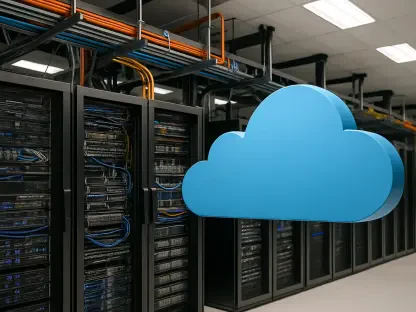

The modern digital economy operates on a fragile foundation of hardware and power, where even a minor disruption in the flow of silicon can bring global commerce to a complete standstill. This realization has forced a total revaluation of how data centers are built and maintained, shifting the focus from simple procurement to a complex discipline of strategic resilience. For years, the industry treated the supply chain as a backend administrative function, but today it is the primary differentiator between organizations that thrive and those that suffer from catastrophic downtime. This review examines the sophisticated frameworks now used to secure the digital backbone, moving beyond reactive fixes to a model of predictive stability.
Evolution of the Data Center Supply Chain Ecosystem
The transition from transactional procurement to strategic infrastructure resilience marks a turning point in the technological landscape. In previous cycles, the acquisition of servers, storage, and networking gear was largely driven by cost-efficiency and just-in-one-time delivery models. However, the volatility of the early 2020s exposed the inherent weaknesses of lean supply chains, prompting a massive shift toward “buffer-based” and “multi-pathed” logistics. By the start of 2026, the industry has largely abandoned the pursuit of the lowest price in favor of guaranteed availability and geographic diversity.
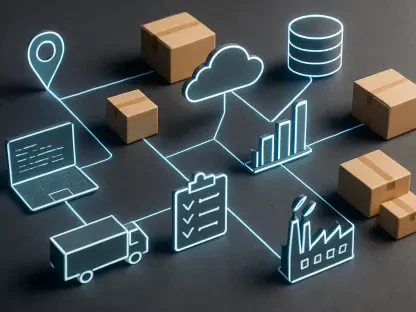
Core principles of this evolved ecosystem now emphasize transparency throughout the entire Tier 2 and Tier 3 supplier network. It is no longer enough to know the primary vendor; an organization must understand where the raw materials for power modules and cooling systems originate. This context has elevated the supply chain from a series of purchase orders to a sophisticated network of strategic alliances. The technology under review is not a single piece of hardware but rather the integrated system of logistics, auditing, and diversification that ensures hardware actually reaches the data center floor.
Core Components of a Resilient Infrastructure
Strategic Integration: Risk Awareness
Resilience begins at the board level, where the supply chain is now treated as a critical risk factor rather than a mere operational expense. This integration ensures that infrastructure decisions are made with an understanding of global market conditions, such as the fluctuating availability of specialized cooling fluids or high-bandwidth memory. When supply chain awareness is embedded into corporate strategy, it allows for more realistic project timelines and financial forecasting, preventing the sudden “budget shocks” that previously occurred when component prices spiked unexpectedly.
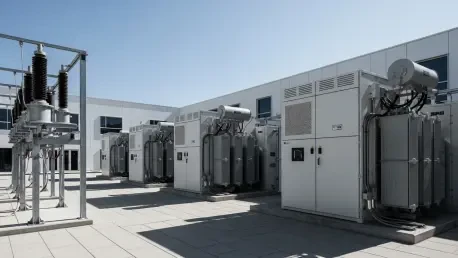
Strategic integration also facilitates a better alignment between business growth and physical capacity. Organizations that treat their supply chain as a strategic feature can anticipate the need for expansion years in advance, securing long-lead items like transformers and generators before they become bottlenecks. This foresight represents a move away from the “panic buying” of the past and toward a steady-state growth model where infrastructure is always one step ahead of the demand generated by new digital services.
Vendor Health: Dependency Audits
Modern resilience relies heavily on the technical auditing of vendor performance and operational security. This involves a deep dive into the financial stability and manufacturing capacity of partners to ensure they can withstand economic shifts or geopolitical pressures. Rigorous auditing now includes “stress tests” for vendors, where their ability to scale production or reroute logistics during a crisis is evaluated before a contract is signed. This level of scrutiny ensures that the enterprise does not inherit the vulnerabilities of its suppliers.
Security compliance has also become a non-negotiable component of vendor health. As cyber threats move further down the hardware stack, verifying the integrity of the firmware and the provenance of every microchip is essential. A resilient framework utilizes automated compliance monitoring to ensure that every piece of equipment entering the data center meets strict security standards. By treating vendor management as a continuous auditing process rather than a one-time check, organizations maintain a high-availability environment that is protected from both physical and digital disruptions.
Emerging Trends in Digital Supply Chain Management
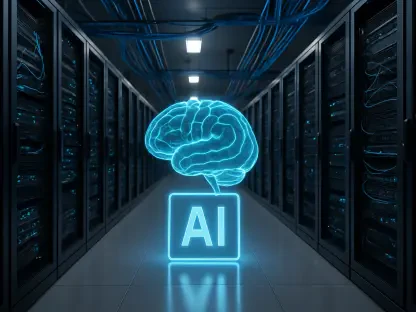
The current landscape is dominated by the insatiable hardware requirements of Artificial Intelligence, which has fundamentally altered how organizations model their hardware pipelines. AI-specific chips require specialized power and cooling environments, forcing supply chain managers to look beyond standard server racks toward high-density power delivery systems. This shift has accelerated the move toward multi-vendor ecosystems, where enterprises intentionally split their hardware spend across multiple architectures to avoid being locked into a single provider’s production delays.
Moreover, there has been a significant move from reactive troubleshooting to proactive modeling using digital twins. By creating a virtual representation of the entire supply chain, from the silicon mine to the data center loading dock, managers can simulate various “what-if” scenarios. This allows for the identification of potential failures before they occur, such as a labor strike at a key port or a shortage of a specific chemical used in chip fabrication. The use of these predictive models has transformed supply chain management into a high-tech discipline that relies as much on data science as it does on logistics.
Real-World Applications of Resilient Frameworks
In high-stakes industries like finance and healthcare, the deployment of resilient frameworks has become the standard for maintaining “five-nines” availability. For instance, major global banks now utilize diversified networking paths that connect multiple data center hubs through entirely different physical fiber routes. This ensures that even a major regional infrastructure failure cannot sever the connection between the bank’s core processing units and its customers. These implementations prove that resilience is a tangible asset that directly correlates to consumer trust and regulatory compliance.
Unique use cases have also emerged in the realm of hybrid cloud-to-on-premise failover systems. Some organizations now maintain “dark sites”—fully equipped but dormant data centers—that are kept in a state of readiness through a constant trickle of hardware updates. If a primary cloud provider experiences a systemic outage, these on-premise sites can be activated instantly to handle mission-critical workloads. This diversified approach to networking and compute resources provides a level of insurance that was previously considered too expensive but is now seen as a necessary cost of doing business.
Challenges and Barriers to Implementation
Despite the clear benefits, several hurdles remain, particularly concerning the migration of legacy systems to these modern resilient frameworks. Many older data centers were not designed for the power densities required by current AI hardware, and upgrading them often involves significant structural and electrical modifications. Furthermore, while supply chain transparency has improved, geopolitical instability continues to create “blind spots” in the global market, where certain regions remain opaque regarding their manufacturing standards and labor practices.
Technical hurdles also persist in the standardization of international components. While the move toward a more resilient framework encourages the use of multiple vendors, the lack of total interoperability between different hardware brands can create integration headaches. Migrating from a single-vendor environment to a diversified one requires a highly skilled workforce capable of managing a heterogeneous infrastructure. These limitations suggest that while the industry is moving in the right direction, the journey toward total resilience is a long-term endeavor requiring constant investment in both technology and talent.
Future Outlook and Energy Self-Sufficiency
The next phase of supply chain evolution focuses on the transition toward localized energy independence and the adoption of microgrid technology. As data centers become more power-hungry, relying solely on the national utility grid is increasingly viewed as a liability. The move toward “island mode” operations allows a facility to disconnect from the main grid and run entirely on its own power sources, such as on-site solar, wind, or hydrogen fuel cells. This level of energy autonomy is the ultimate form of resilience, shielding the data center from grid failures and fluctuating energy prices.
Looking ahead, the long-term impact of energy-autonomous data centers will likely reshape the global utility landscape. Instead of being a drain on the grid, future data centers may act as “energy hubs” that can feed excess power back into the local community during periods of low demand. This transition would turn the data center from a passive consumer into an active participant in the energy ecosystem, further cementing its role as a vital piece of public infrastructure. The development of advanced battery storage and small modular reactors will likely play a key role in making this autonomous future a reality.
Summary of Strategic Findings
The review of data center supply chain resilience revealed that the shift from transactional purchasing to strategic foresight was the single most important factor in maintaining digital stability. It was determined that organizations which prioritized vendor health and geographic diversification were far better equipped to handle the volatility of the past few years. The analysis showed that redundancy is no longer a luxury but a fundamental requirement for any enterprise operating in a high-growth digital environment. By integrating supply chain risks into the broader corporate strategy, leadership teams were able to make more informed decisions about their infrastructure investments and long-term viability.
Furthermore, the transition toward energy self-sufficiency through microgrids emerged as the most promising avenue for future development. The evidence suggested that moving away from a centralized power model would significantly reduce the risk of large-scale outages and provide a more sustainable path for the expansion of AI-driven services. Ultimately, the successful implementation of these resilient frameworks required a combination of technical innovation, rigorous auditing, and a willingness to challenge the status quo of IT procurement. The lessons learned from this transition provided a clear roadmap for building a more stable and secure digital economy for the years to come.