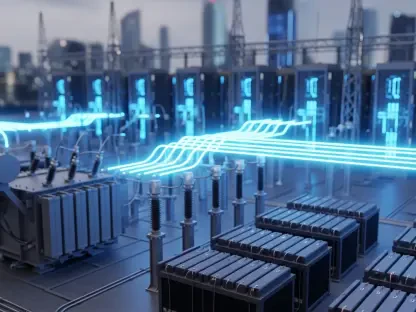
Behind the silent hum of servers processing the world’s information lies a complex and potentially hazardous industrial environment where the convergence of high-voltage electricity, heavy machinery, and critical operations demands an unwavering commitment to safety. These facilities are the backbone of the digital economy, and their operational integrity is paramount. However, the sophisticated technology they house often overshadows the very real physical risks faced by the personnel who build, maintain, and manage them.
Beyond the Racks Why a Culture of Safety is Your Most Critical Asset
The modern data center is far more than a sterile room filled with blinking lights; it is a high-stakes arena where industrial-grade power distribution units sit alongside intricate cooling systems and rows of heavy, densely packed server racks. The potential for severe electrical shock, physical injury from moving heavy equipment, or fire is a constant reality. Ignoring these risks is not just a lapse in protocol but a direct threat to the very systems the facility is designed to protect. A single safety incident can trigger a cascade of failures, leading to catastrophic data loss, extended downtime, and significant financial repercussions.
Consequently, a robust safety protocol is not a supplementary guideline but the foundational pillar supporting operational uptime, employee well-being, and the protection of multibillion-dollar infrastructure. The true measure of a data center’s resilience is not just its redundancy or power capacity but the strength of its safety culture. This article moves beyond a simple checklist to explore a holistic framework for embedding safety into the very fabric of data center management, transforming it from a set of rules into a shared organizational value.
The Pillars of a Fortified Data Center Environment
Foundational Risk Mitigation Proactive Hazard Identification and Control
The cornerstone of any effective safety strategy is a rigorous and proactive risk assessment. This process involves a meticulous audit of every aspect of the facility, from the primary electrical feeds down to the casters on server cabinets. By systematically identifying physical, electrical, and environmental hazards, managers can implement control measures that prevent incidents before they occur. This is not a one-time activity but a continuous cycle of evaluation and refinement, ensuring that new equipment, modified layouts, and evolving procedures do not introduce unforeseen dangers into the environment.
A critical component of this mitigation strategy is the implementation of stringent lockout/tagout (LOTO) procedures. Consider a scenario where a technician is performing maintenance on a power distribution unit. Without a proper LOTO protocol, another employee, unaware of the ongoing work, could accidentally re-energize the circuit, resulting in a severe or fatal electrical shock. Lockout/tagout ensures that machinery is completely de-energized and cannot be activated until the maintenance is complete and the authorized personnel have removed their personal locks, providing a life-saving barrier against human error.
Furthermore, tasks involving “hot work,” such as welding or cutting during infrastructure upgrades, introduce a significant fire risk. The unique danger of these activities demands a highly controlled approach. Best practices include establishing designated hot work zones away from sensitive equipment, enforcing a strict permit system that requires multiple levels of approval, and ensuring fire suppression equipment is immediately accessible. This framework creates a controlled bubble where necessary high-risk tasks can be completed without jeopardizing the entire facility.
Human-Centric Safeguards Empowering Personnel Through Training and Equipment
In an environment dominated by high-voltage systems, the distinction between qualified and unqualified personnel is a matter of life and death. Specialized electrical work training is non-negotiable for anyone interacting with power infrastructure. A qualified technician understands the principles of electricity, the specific hazards of the equipment, and the procedures required to work safely. In contrast, an unqualified individual attempting the same task, such as replacing a circuit breaker in a live panel, risks creating a catastrophic arc flash event, which can cause devastating burns and equipment damage.
Personal Protective Equipment (PPE) serves as the last and most critical line of defense when other safety controls are insufficient. Its use should be mandated, not suggested. The specific gear must be directly matched to the hazard at hand; for instance, insulated gloves and dielectric footwear protect against electrical shock during live testing, while safety glasses and hard hats shield against physical impacts from falling objects or debris. A comprehensive PPE program includes not only providing the equipment but also training staff on its proper use, inspection, and maintenance.
This empowerment of personnel is solidified through continuous safety training. Passive awareness gained from a single orientation session is inadequate for the dynamic data center environment. Regular drills for emergencies like fires or chemical spills, combined with role-specific education on new equipment or procedures, transform knowledge into instinct. When an alarm sounds, well-trained staff do not hesitate; they react with practiced efficiency, following established protocols to ensure their safety and the security of the facility. This active, instinctual behavior is the hallmark of a truly mature safety culture.
Procedural and Structural Integrity Building a Resilient Safety Framework
Adhering to established compliance standards offers a strategic advantage by providing an expert-vetted blueprint for safe operations. Standards such as those from the Occupational Safety and Health Administration (OSHA), the National Fire Protection Association (NFPA 70), and the Telecommunications Industry Association (TIA-942) are not bureaucratic hurdles but consolidated bodies of knowledge born from decades of experience and incident analysis. Aligning infrastructure and operational procedures with these benchmarks ensures that the facility is built on a foundation of proven safety principles, from electrical wiring design to fire suppression system requirements.
This structural integrity must be matched by a comprehensive emergency response plan that provides clear, actionable procedures for any conceivable crisis. During an event like a fire, flood, or extended power failure, chaos and panic are the greatest enemies of effective management. A well-documented plan, which includes evacuation routes, communication protocols, shutdown sequences, and designated roles for team members, ensures a calm and coordinated response. Regular drills and simulations are essential to test the plan’s effectiveness and familiarize staff with their responsibilities, turning a static document into a dynamic and reliable crisis management tool.
To ensure these systems remain effective, regularly scheduled safety audits serve as a vital mechanism for continuous improvement. While internal reviews are valuable, engaging third-party assessors can provide an objective perspective, revealing blind spots or procedural drift that internal teams may overlook. These audits validate the effectiveness of existing protocols, identify areas for enhancement, and ensure ongoing compliance with evolving standards, fostering a cycle of refinement that strengthens the facility’s overall resilience.
The Oversight Imperative Cultivating Accountability Through Dedicated Leadership
The presence of a dedicated facility or safety manager is fundamental to transforming safety policies from paper documents into lived reality. This individual acts as the central hub for all safety-related initiatives, responsible for developing protocols, overseeing training programs, conducting risk assessments, and ensuring consistent enforcement across all teams. Their focused role ensures that safety is not an ancillary duty but a primary operational priority, with clear lines of communication and responsibility.
This centralized leadership is the catalyst that converts a collection of disparate rules into a cohesive, living safety culture. When a manager champions proactive measures, celebrates safe work practices, and holds individuals accountable, it sends a powerful message from the top down. Safety becomes an integral part of the operational mindset rather than a checklist to be completed. This leadership fosters an environment where employees feel empowered to report potential hazards without fear of reprisal, contributing to a collective sense of ownership over workplace well-being.
The contrast between facilities with and without this dedicated oversight is stark. Those lacking a central safety authority often exhibit higher incident rates, lower employee confidence in safety procedures, and a reactive, crisis-driven approach to problems. Conversely, data centers with strong safety leadership demonstrate enhanced operational resilience, as potential issues are identified and mitigated before they escalate. This proactive stance not only protects personnel but also contributes to greater stability and uptime for the critical infrastructure itself.
From Blueprint to Reality Implementing Your Actionable Safety Plan
The ten essential practices discussed can be consolidated into three core pillars that form the bedrock of a world-class safety program: Proactive Hazard Control, Empowered Personnel, and Systemic Resilience. Proactive Hazard Control involves identifying and mitigating risks before they cause harm through assessments, LOTO procedures, and controlled work permits. Empowered Personnel focuses on equipping staff with the training, knowledge, and protective gear needed to work safely and respond effectively. Finally, Systemic Resilience is built through adherence to standards, robust emergency planning, and dedicated leadership that fosters a culture of accountability.
For managers looking to initiate immediate change, a “First 90 Days” action plan can provide momentum. This plan should begin with scheduling a comprehensive, third-party risk assessment to establish a baseline of the facility’s current state. Concurrently, a thorough review of all existing safety training modules should be conducted to identify gaps and areas for improvement. Finally, verifying that all emergency response kits, from first aid stations to fire extinguishers and spill containment systems, are fully stocked and accessible is a simple yet critical step toward preparedness.
The ultimate goal is to integrate these safety best practices so deeply into daily workflows that they become routine rather than an afterthought. This can be achieved by incorporating safety checks into standard operating procedures, beginning every team meeting with a brief safety discussion, and implementing a system for tracking and addressing reported hazards. When safe behavior becomes the default standard for every task, the organization has successfully transitioned from simply having a safety plan to embodying a true safety culture.
Securing the Future Safety as a Continuous Journey
Ultimately, achieving a safe data center environment was not a one-time project but an ongoing commitment. The technological landscape of data centers is in constant flux, and safety protocols must evolve in tandem to remain effective. What constituted a comprehensive safety plan five years ago may be inadequate for the challenges of today and tomorrow. This requires a persistent dedication to vigilance, adaptation, and continuous improvement from leadership and staff alike.
Looking ahead, emerging trends will introduce new safety considerations that demand foresight and planning. The rise of high-density racks and direct-to-chip liquid cooling, for example, introduces new risks related to fluid leaks, pressure systems, and material compatibility that differ from traditional air-cooled environments. Similarly, the integration of AI-driven monitoring and robotics will create a new human-machine interface, requiring updated protocols for safe interaction and maintenance in a partially automated facility.
This journey toward safety excellence fortified the very foundation of digital infrastructure. Leaders who championed a safety-first culture did more than protect their people; they enhanced the long-term reliability and integrity of their critical operations. By treating safety not as a cost center but as a core business value, they ensured their facilities were prepared to meet the demands of the future, securely and resiliently.