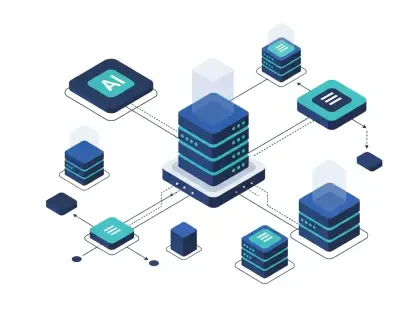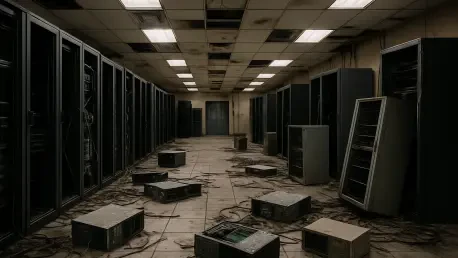

The once-permanent digital fortresses of on-premises data centers are now increasingly being dismantled in a strategic pivot toward greater operational agility and economic efficiency. This shift, driven by widespread cloud adoption, the need for IT consolidation, and relentless pressure to reduce capital expenditures, has transformed decommissioning from a logistical afterthought into a critical business initiative. Successfully navigating this process demands a multifaceted approach that harmonizes meticulous planning, ironclad security protocols, and responsible asset disposal.
Executing such a complex undertaking without a clear framework is a recipe for disaster, risking everything from service interruptions to catastrophic data breaches. Consequently, following a structured guide is not merely a recommendation but an essential requirement for a successful outcome. A methodical plan provides the roadmap needed to manage dependencies, control costs, and ensure that every piece of equipment and byte of data is accounted for, transforming a potentially chaotic process into a controlled and value-driven transition.
The Core Benefits of a Methodical Decommissioning Process
A well-executed decommissioning plan serves as a powerful risk mitigation tool. Without a systematic approach, organizations are vulnerable to extended service disruptions, which can cripple business operations and damage customer trust. Furthermore, the risk of data breaches skyrockets when assets are handled improperly, potentially leading to severe regulatory fines, litigation, and irreparable harm to a company’s reputation. Best practices provide the necessary controls to prevent these negative outcomes.
Beyond risk avoidance, a methodical process unlocks significant tangible benefits. One of the most compelling advantages is the potential for substantial cost savings through strategic IT asset disposition (ITAD). By carefully assessing equipment for remarketing, organizations can recover value from retired hardware, turning decommissioned assets into a new revenue stream. This process also inherently strengthens data security by ensuring all sensitive information is irretrievably destroyed according to established standards.
Moreover, a structured approach guarantees compliance with a complex web of industry and governmental regulations. Adhering to specific mandates for data handling and environmental disposal is non-negotiable. A formal decommissioning process ensures that every action is documented and auditable, providing a clear chain of custody and proof of compliance that satisfies legal and corporate governance requirements.
A Step by Step Guide to Data Center Decommissioning
Phase 1 Meticulous Planning and Project Scoping
The foundation of any successful data center decommissioning is built during the preplanning phase. This initial stage is dedicated to establishing clear, measurable goals for the project, such as cost reduction targets, migration completion dates, or facility exit deadlines. Concurrently, a realistic budget and a detailed timeline must be developed, accounting for all anticipated activities from data migration to final site restoration.
Assembling a cross-functional team is equally critical. This team should include representatives from IT operations, network engineering, facilities management, security, finance, and legal departments. This collaborative approach ensures that all perspectives are considered, potential roadblocks are identified early, and communication flows smoothly throughout the project’s lifecycle, preventing departmental silos from derailing progress.
Practical Application Building a Resilient Project Timeline
A resilient project plan moves beyond a simple checklist, functioning instead as a dynamic roadmap with clearly defined milestones. Key checkpoints should be set for critical stages like the completion of the asset inventory, the finalization of data migration waves, and the scheduled removal of physical hardware. This structure provides clarity and allows teams to track progress against established targets.
However, a truly effective timeline must also incorporate contingency plans. Decommissioning projects rarely proceed without unforeseen challenges, such as the discovery of undocumented system dependencies, migration tool failures, or logistical delays with vendors. Building buffer time and creating “what-if” scenarios for these common issues ensures that the project can absorb shocks without jeopardizing the final deadline, maintaining momentum even when faced with unexpected hurdles.
Phase 2 Comprehensive Asset Inventory and Value Assessment
The first hands-on step in the process is to create a definitive inventory of every hardware and software asset within the data center. This involves meticulously documenting servers, storage arrays, networking gear, and even peripheral components. To ensure accuracy, physical audits should be cross-referenced with automated discovery reports and configuration management databases (CMDBs), which help verify asset details like serial numbers, component specifications, and network connections.
Once the inventory is complete, each asset must be assessed to determine its optimal disposition path: resale, internal reuse, or recycling. This evaluation considers factors like the equipment’s age, condition, configuration, and current market demand. This strategic sorting is crucial for maximizing financial return and ensuring that assets are handled in the most economically and environmentally responsible manner.
Case in Point Maximizing ROI on Retired Servers
The age of a server is a primary determinant of its disposition strategy and potential return on investment. For example, servers that are less than three years old often retain significant resale value, as they can be refurbished and sold on the secondary market to organizations with less demanding performance requirements. Capturing this value requires a swift and efficient remarketing process to capitalize on their relevance.
In contrast, servers between four and six years old typically offer moderate resale value, often being sold for spare parts or to buyers with very specific legacy needs. For servers older than seven years, the economic return from resale is usually negligible. In these cases, the focus shifts to their recycling value, where certified partners can responsibly recover precious metals and other materials, ensuring compliance with environmental regulations while extracting the final measure of value from the hardware.
Phase 3 Ensuring Ironclad Data Security and Destruction
Safeguarding sensitive information is the most critical component of the decommissioning process. All data residing on storage media slated for disposal or resale must be sanitized in accordance with rigorous standards, such as those outlined in NIST 800-88. This typically involves cryptographic erasure or multi-pass data overwriting techniques that render the original data forensically unrecoverable, ensuring it cannot be accessed by unauthorized parties.
For devices that have failed or cannot be effectively sanitized through software methods, physical destruction is the only acceptable alternative. This can involve degaussing, which uses powerful magnets to erase data, or shredding, which reduces the drive to small, irreparable fragments. Regardless of the method used, obtaining a serialized certificate of destruction for each device is essential. This document provides an auditable record that proves data was destroyed in a compliant and verifiable manner.
Real World Compliance Navigating Regulatory Requirements
Organizations operate under a patchwork of data protection regulations that dictate how sensitive information must be handled. Mandates like the General Data Protection Regulation (GDPR) in Europe, the Health Insurance Portability and Accountability Act (HIPAA) in the U.S. healthcare sector, and the ISO 27001 standard for information security all impose strict requirements for data destruction and chain of custody. Non-compliance can lead to staggering fines and legal action.
To navigate this complex landscape, partnering with certified ITAD vendors is a strategic imperative. Vendors holding a NAID AAA certification, for example, have been independently audited to verify their adherence to the highest standards for secure data destruction. Engaging such a partner provides assurance that all regulatory obligations are met, transferring the risk and burden of compliance to a trusted specialist.
Phase 4 Systematic Hardware Removal and Responsible Disposal
The physical removal of equipment requires the same level of precision as the planning phases. Rigorous asset tracking must continue during this stage, with every server, switch, and storage array scanned and logged as it is removed from the racks and prepared for transport. This ensures a complete chain of custody and prevents valuable or sensitive assets from being lost or misplaced during the move.
The process of de-racking hardware and managing the complex web of power and network cabling is physically demanding and must be executed safely. After the equipment is palletized and secured, it is transported to a processing facility. Here, partnering with a certified e-waste recycler is paramount. These partners follow strict protocols to responsibly dismantle equipment, handle hazardous materials safely, and ensure that no components end up in a landfill.
Best Practice Spotlight Adhering to Environmental Standards
Choosing the right recycling partner is a critical decision with significant environmental and reputational implications. To guarantee responsible disposal, organizations should exclusively work with vendors certified to standards like R2 (Responsible Recycling) or e-Stewards. These certifications are the gold standard in the electronics recycling industry, providing third-party verification that the vendor adheres to the highest environmental and safety protocols.
These standards strictly prohibit the illegal export of e-waste to developing countries where it is often processed in unsafe conditions, harming both people and the local ecosystem. By selecting an R2 or e-Stewards certified partner, an organization demonstrates its commitment to corporate social responsibility and ensures that its retired assets are managed in a way that protects the planet, mitigating environmental liability and reinforcing its brand integrity.
Phase 5 Finalizing the Facility Shutdown and Handover
The final phase within the data center space involves a highly orchestrated shutdown sequence. Using detailed runbooks, technical teams can systematically power down infrastructure in the correct order to avoid data corruption or logical errors in interconnected systems. These guides, developed during the planning phase, are essential for an orderly and risk-free shutdown of all remaining IT equipment.
After the last server is powered down, the focus shifts to the physical facility. This includes coordinating with utility providers to safely disconnect power, cooling, and network circuits. The final step is restoring the physical space to its original, pre-lease condition. This often involves removing all cabling, dismantling racks and enclosures, and repairing any damage to floors or walls, ensuring the site is ready for a clean handover to the landlord.
Strategic Insight The Pilot Light Approach
Even with the most thorough planning, dependencies can be missed. The “pilot light” approach is a risk-reduction strategy where a minimal set of core network and monitoring systems are left running for a short period—typically 30 to 60 days—after the primary application migrations are complete. This grace period acts as a safety net, allowing teams to validate that no critical services or data sources were overlooked.
If an unexpected dependency is discovered during this time, the pilot light infrastructure provides the connectivity needed to access the old environment and resolve the issue without having to halt the entire decommissioning project. Once this validation period passes without incident, the organization can proceed with the final power-down with a much higher degree of confidence, ensuring a truly seamless transition.
Conclusion Post Decommissioning Review and Future Strategy
The successful decommissioning of a data center was a testament to the power of a structured, forward-thinking strategy. By adhering to a methodical plan that encompassed everything from initial scoping to final facility handover, the organization effectively mitigated risks, ensured regulatory compliance, and maximized the financial return on its retired assets. This disciplined approach transformed what could have been a logistical nightmare into a well-managed strategic transition.
In the aftermath, leadership and IT teams conducted a thorough post-mortem review, analyzing every phase of the project to identify both successes and areas for improvement. These lessons learned did not simply close the book on the project; they became foundational insights that actively informed the organization’s future IT infrastructure strategy. The experience provided a clearer understanding of dependencies and a refined process for managing large-scale technological change, better positioning the company for its next evolution.