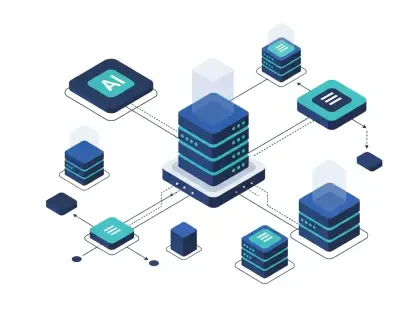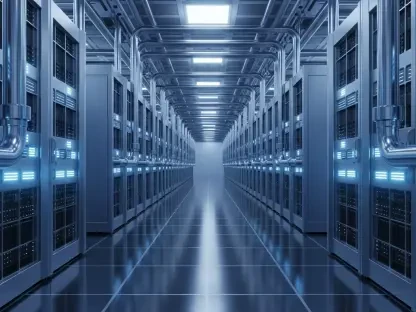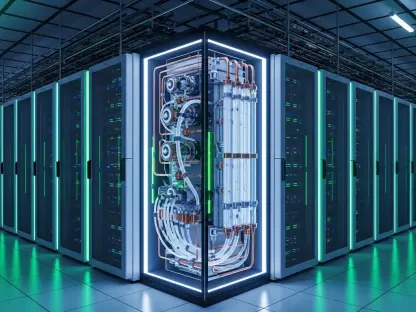

The global digital infrastructure is currently undergoing a radical metamorphosis as the traditional concept of data storage yields to a new era of high-velocity computational generation. Nvidia CEO Jensen Huang recently articulated this shift during the GTC keynote, suggesting that the era of passive data centers is over, replaced by a model he describes as the AI factory. This transition marks the end of an era where facilities primarily functioned as massive digital warehouses for static files. In the OpenClaw era, characterized by the rise of agentic AI, the primary output is no longer stored data but the mass production of tokens. These tokens represent the fundamental unit of value in the modern economy, requiring a fundamental redesign of silicon and software to prioritize real-time inference over long-term retention. By viewing the entire facility as a singular, cohesive GPU, the industry is moving toward a future where intelligence is manufactured at scale and delivered instantly to global users.
Engineering a Unified Architecture for Token Production
At the heart of this transformation lies a meticulously engineered five-layer stack that unifies physical infrastructure, silicon, software systems, AI models, and applications into a seamless whole. The introduction of the Rubin GPU and the Vera CPU represents a departure from modular components toward a deeply integrated system designed for the Vera Rubin NVL72 server. This architecture specifically integrates Groq LPU technology to address the massive memory bandwidth requirements necessitated by low-latency token generation. In this environment, the hardware is no longer a collection of disparate parts but a synchronized engine optimized for the constant flow of information. The goal is to minimize the computational friction that previously slowed down generative processes, allowing for a higher throughput of AI-driven insights. This integrated approach ensures that every cycle of the processor is utilized effectively, reducing the total cost of ownership for enterprises.
Supporting this silicon breakthrough is a revolutionary leap in interconnect technology and data management platforms that redefine how information travels within the facility. Nvidia has successfully doubled the speed of its NVLink interconnect to an unprecedented 260 terabytes per second, enabling a level of internal communication that treats separate server racks as a single processing unit. Complementing this is the BlueField-4 STX platform, which acts as the intelligent manager for AI-native storage and contextual memory. Unlike traditional storage controllers, this system is optimized to handle the volatile and rapid-access needs of large language models. By managing contextual memory closer to the point of computation, the architecture eliminates the bottlenecks associated with standard data retrieval methods. This shift ensures that the data center functions as a high-velocity factory where raw data enters and refined intelligence exits with minimal latency or interruption.
Navigating the Complexities of Agentic AI Systems
The emergence of agentic AI and frameworks like OpenClaw represents a shift comparable to the historical impact of Linux or HTML on the broader digital landscape. These autonomous systems require a level of memory and networking performance that traditional data centers were never built to provide. To mitigate the immense strain placed on these systems, Nvidia utilizes advanced KV Cache technology to hold critical contextual data for immediate use by AI agents. This is orchestrated by the Dynamo software suite, which effectively manages the entire hardware stack as a cohesive entity. By treating the data center as one giant AI GPU, the software ensures that complex tasks are distributed intelligently across available resources. This prevents individual nodes from becoming overwhelmed while maximizing the efficiency of the entire network. As AI agents become more prevalent in 2026, the ability to maintain context across multiple interactions will be the defining feature of successful infrastructure.
Networking at this scale requires more than just raw speed; it demands an intelligent fabric capable of managing data flow with surgical precision to prevent energy waste. The Spectrum-X switch, which features sophisticated co-packaged optics developed in collaboration with TSMC, serves as the backbone of this intelligent network. By moving data more efficiently across the system, the platform ensures that power consumption remains manageable even as the volume of token production skyrockets. This focus on power efficiency is critical as the industry faces increasing scrutiny regarding the environmental impact of massive computational clusters. The integration of advanced optics allows for higher bandwidth with lower thermal output, extending the life of the hardware and reducing operational costs. For organizations building out these factories from 2026 to 2028, the ability to balance high-performance output with sustainable energy usage will be paramount in maintaining a competitive edge in the market.
Strategic Integration and the Future of Infrastructure
As enterprises race to deploy these advanced capabilities, they are faced with a fundamental choice between adopting a fully integrated ecosystem or attempting a modular approach. Industry analysts have observed that the skyrocketing cost and complexity of building AI infrastructure have made every month of delay a source of significant revenue loss. Nvidia’s blueprint is specifically designed to eliminate the friction inherent in traditional data center models by providing a pre-validated, high-performance stack. While some organizations may prefer the flexibility of mixing and matching hardware from various vendors, the speed-to-market offered by a unified solution is becoming increasingly difficult to ignore. The decision to commit to a single-vendor architecture often results in superior performance tuning and easier maintenance cycles. This trend suggests that the future of enterprise AI will be defined by strategic partnerships and deep technical integration rather than the fragmented hardware procurement strategies of the past.
The industry transitioned away from static storage toward a dynamic manufacturing model that prioritized the rapid generation of intelligence over mere data retention. This shift required a fundamental reimagining of how hardware and software interacted to support the demands of autonomous agents and massive token production. Organizations that successfully adapted to this factory-like environment focused on optimizing their internal interconnects and leveraging contextual memory to reduce latency. Moving forward, the priority must be on securing a resilient supply chain for high-bandwidth components while investing in software-defined orchestration to manage complex workloads. Leaders should evaluate their existing infrastructure to identify where bottlenecks in memory and networking may impede the deployment of agentic systems. By aligning technical roadmaps with the integrated factory model, companies can ensure they are prepared for the next wave of computational demands. The focus has shifted toward high-velocity output, making infrastructure agility the most critical asset for any data-driven enterprise.