
A Strategic Pause or a Genuine Thaw?
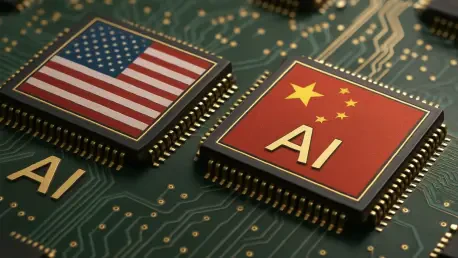
In a move that has sent ripples through the global technology sector, China has begun issuing limited approvals for the sale of Nvidia’s advanced ##00 AI processors to its leading tech companies. This unexpected policy shift marks a potential turning point in the protracted and escalating AI chip war between the United States and China. This article explores whether this development signals a genuine truce or is merely a tactical maneuver in a long-term strategic competition. By examining the context, immediate implications, and potential ripple effects, we will dissect what this change means for Chinese enterprises, their Western counterparts, and the future of the global AI landscape.
The Escalating Battle for Semiconductor Supremacy
The current situation did not emerge in a vacuum. For years, the U.S. has systematically tightened export controls on advanced semiconductor technology to China, aiming to curb its military modernization and slow its progress in artificial intelligence. These restrictions created a significant bottleneck for Chinese tech giants like ByteDance, Alibaba, and Tencent, who found themselves cut off from the state-of-the-art chips necessary to train large-scale AI models. In response, Beijing has funneled massive investment into developing a self-sufficient domestic semiconductor industry. This background of escalating restrictions and nationalistic industrial policy makes China’s decision to approve high-volume imports of a powerful, albeit not cutting-edge, American chip particularly noteworthy.
A Calculated Concession in a High-Stakes Game
China’s Pragmatic Pivot: Buying Time with Foreign Tech
The decision to greenlight the purchase of over 400,000 Nvidia ##00 accelerators is, above all, a pragmatic one. Chinese authorities are addressing an immediate and critical need for high-performance computing power that its domestic industry cannot yet satisfy. This influx provides Chinese hyperscalers with a predictable supply of powerful chips, enabling them to plan for denser GPU clusters and accelerate their AI model-training roadmaps. By temporarily easing the pressure, Beijing is buying valuable time for its homegrown chipmakers to catch up, effectively using foreign technology as a bridge to its long-term goal of self-sufficiency.
The ‘Dual-Track’ Strategy: Balancing Ambition with Necessity
Industry analysts widely expect Chinese companies to adopt a “dual-track” deployment strategy. This approach involves leveraging the imported Nvidia ##00s for the most demanding and critical workloads, such as training foundational large language models. Simultaneously, domestically produced accelerators will be allocated to less intensive tasks like AI inference and smaller-scale model training. This hybrid model allows Chinese firms to stay competitive in the global AI race while simultaneously nurturing their domestic ecosystem, ensuring that homegrown chips are integrated, tested, and improved within real-world commercial environments.
The Hidden Costs and Lingering Gaps
This apparent truce is not without its complexities. There is a strong possibility that Chinese regulators could mandate that imported ##00s be deployed alongside domestic accelerators in a single computing environment. Such a requirement would create a complicated heterogeneous infrastructure, likely leading to performance inconsistencies, integration challenges, and increased network latency due to differing chip architectures. Furthermore, while the ##00 is powerful, it remains a generation behind Nvidia’s latest Blackwell platform, ensuring that the performance gap with U.S.-based hyperscalers will persist. The approved volume, while substantial, also falls short of China’s total demand, making this a partial solution at best.
Ripple Effects Across the Global AI Ecosystem
This policy shift introduces a new variable into long-term AI infrastructure planning for enterprises worldwide. With Nvidia ramping up production of ##00s to meet this massive new order from China, the company could achieve significant economies of scale. This increased manufacturing efficiency could, in turn, lead to more favorable pricing or improved availability for Western companies looking to deploy ##00-based infrastructure. The development signals a potential future where the AI hardware market is less defined by absolute blockades and more by managed trade, where specific generations of technology are permitted for export under controlled conditions.
Navigating the New Geopolitical Chip Landscape
The key takeaway from this development is that the dynamics of the chip war are becoming more nuanced. For businesses and technology leaders, it is crucial to understand that China’s move is a tactical concession, not an abandonment of its strategic goal of semiconductor independence. Chinese tech firms will continue to pursue a hybrid infrastructure model, creating a distinct and complex technological ecosystem. Global enterprises, meanwhile, should monitor how these large-volume sales to China impact pricing and supply chains for AI hardware, as new opportunities and risks may emerge from this shifting geopolitical landscape.
A New Chapter, Not the End of the Story
Ultimately, China’s approval of Nvidia ##00 sales is not the end of the US-China AI chip war but rather the start of a new, more complex chapter. It represented a strategic recalibration—a move away from rigid confrontation toward a phase of managed competition where both sides made tactical concessions to serve their long-term interests. The fundamental struggle for technological supremacy continued, but the battlefield was evolving. This development underscored the reality that in the global race for AI dominance, pragmatism could temporarily override principle, reshaping the strategies of nations and corporations alike.