
Imagine a world where autonomous vehicles react to hazards in a split-second, where remote surgeries are performed with flawless precision across continents, and where smart cities manage traffic flow dynamically to eliminate gridlock. This isn’t a distant dream but a reality being shaped by Multi-Access Edge Computing (MEC), a transformative technology that brings computational power closer to the source of data. In an era dominated by the need for instantaneous responses and seamless connectivity, MEC stands as a cornerstone, enabling applications that thrive on ultra-low latency and localized processing. This review dives deep into the mechanics, benefits, and challenges of MEC, exploring how it reshapes industries and redefines the boundaries of what’s possible in network architecture.
Understanding the Core of MEC
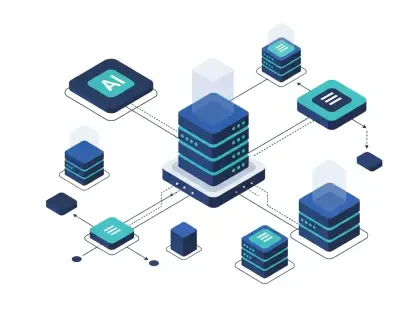
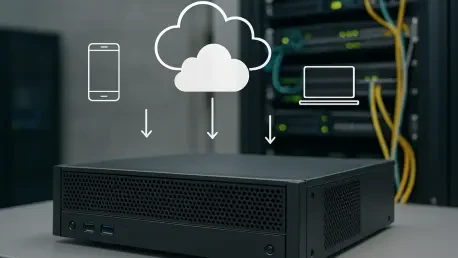
At its essence, Multi-Access Edge Computing is a network architecture that shifts cloud computing capabilities to the edge of the network, near where data is generated and consumed. Unlike traditional cloud systems that rely on centralized data centers, MEC deploys servers at mobile base stations, Wi-Fi access points, and other edge nodes. This proximity slashes the distance data must travel, drastically cutting down latency and enhancing responsiveness for time-sensitive applications. Its multi-access nature extends beyond mobile networks to include fixed broadband and other access types, making it a versatile solution for diverse connectivity needs.
The significance of MEC lies in its ability to support the explosive growth of connected devices and data-intensive applications. With the rollout of 5G amplifying network speeds and device density, the demand for real-time processing has never been higher. MEC meets this demand by acting as a localized mini-cloud, intercepting data traffic and processing it on-site before nonessential information burdens core infrastructure. This not only boosts performance but also paves the way for innovations that were once hindered by network delays.
Key Features Driving MEC’s Impact
Ultra-Low Latency Through Local Processing
One of the standout features of MEC is its ability to achieve ultra-low latency, often in the single-digit millisecond range, by processing data directly at the network edge. This is a game-changer for applications where every moment counts, such as autonomous vehicles needing instant hazard detection or remote surgical systems requiring precise, real-time control. By minimizing the round-trip time for data, MEC ensures that critical decisions are made without delay, enhancing safety and efficiency in high-stakes scenarios.
Moreover, this localized approach reduces dependency on distant cloud servers, which can introduce bottlenecks during peak usage. Instead, edge servers handle computations on the spot, delivering immediate insights or actions to end users. This capability is not just a technical improvement; it fundamentally alters how industries approach time-critical operations, opening doors to innovations that were previously out of reach due to latency constraints.
Bandwidth Efficiency and Traffic Management
Another pivotal advantage of MEC is its knack for optimizing bandwidth through strategic traffic offloading. By processing data locally and filtering out unnecessary information before it reaches centralized clouds, MEC significantly reduces network congestion. This alleviation of pressure on core infrastructure translates to more consistent performance, whether for enterprise solutions or consumer-facing apps.
This efficiency is particularly vital in environments with high data volumes, such as stadiums hosting live-streamed events or urban areas with dense IoT deployments. Rather than overwhelming backhaul networks with raw data, edge nodes streamline what gets transmitted, ensuring smoother operations across the board. In essence, MEC acts as a gatekeeper, balancing the load and maintaining network health even under intense demand.
Context-Aware Services for Tailored Experiences
Beyond raw performance, MEC excels in delivering context-aware services by leveraging real-time data on user location, device status, and network conditions. This adaptability allows for highly personalized applications, such as location-specific advertising that targets shoppers as they pass a store, or adaptive video streaming that adjusts quality based on available bandwidth. Such precision enhances user engagement and operational effectiveness in equal measure.
This feature also empowers industries to respond dynamically to shifting circumstances. For instance, smart city systems can adjust traffic signals based on live congestion data, while retail environments can offer in-store navigation tailored to individual customer needs. By aligning services with the immediate context, MEC ensures relevance and responsiveness, setting a new standard for user-centric technology deployment.
Performance Metrics and Real-World Applications
When evaluating MEC’s performance, the metrics speak volumes about its transformative potential. Latency reductions to under 10 milliseconds, paired with bandwidth savings from localized processing, position MEC as a linchpin for next-generation applications. These gains are amplified when integrated with 5G, which provides the high-speed pipeline needed to maximize edge computing benefits. Together, they enable seamless handling of massive device connectivity, from smart factories to urban IoT grids, without sacrificing reliability.
The real-world impact of MEC is evident across diverse sectors. In automotive industries, it supports autonomous vehicles by enabling split-second hazard responses and fleet coordination for optimized routing. Healthcare benefits through telemedicine and remote surgery, where edge processing ensures near-instantaneous analysis of patient data. Retail transforms customer experiences with immersive AR tools and personalized promotions, while smart cities leverage MEC for dynamic traffic management and public safety enhancements. Even entertainment sees a boost, with cloud gaming platforms delivering lag-free experiences by processing game logic closer to players.
These use cases highlight MEC’s versatility, proving its value extends beyond technical specs to tangible societal benefits. However, the breadth of applications also underscores the need for robust deployment strategies, as each sector brings unique demands and constraints to the table. The success of MEC in these areas often hinges on tailored integration, ensuring that performance metrics translate into meaningful outcomes.
Challenges Hindering Wider Adoption
Despite its promise, MEC faces significant hurdles that temper its rollout. The distributed nature of edge deployments drives up infrastructure costs, as resources must be spread across numerous locations rather than concentrated in centralized data centers. This financial burden, coupled with ongoing operational expenses, poses a barrier for organizations eyeing large-scale adoption, particularly in less connected regions where returns on investment remain uncertain.
Additionally, the complexity of managing a distributed network cannot be understated. Each edge node requires careful configuration, monitoring, and maintenance, while ensuring consistent performance across geographically dispersed sites adds a layer of logistical strain. Scalability, too, presents a challenge, as edge resources are inherently limited compared to cloud counterparts, restricting the types of workloads that can be efficiently handled. Without sophisticated orchestration tools, scaling applications across multiple nodes remains a daunting task.
Security concerns further complicate the picture. While processing data locally can enhance privacy by keeping sensitive information close to its source, the expanded attack surface of distributed nodes heightens vulnerability. Each edge server becomes a potential target, demanding stringent security policies and rapid response mechanisms. Coupled with a lack of standardization across vendors, which risks fragmentation and vendor lock-in, these challenges highlight the need for concerted industry efforts to refine MEC’s deployment frameworks.
Industry Trends and Collaborative Evolution
Recent trends in MEC reveal a technology in rapid evolution, driven by integration with 5G and emerging distributed architectures. The synergy between 5G’s ultra-low latency and MEC’s local processing power creates a robust foundation for real-time applications, with network slicing allowing operators to customize performance for specific use cases. This convergence is reshaping digital infrastructure, enabling tailored solutions that range from high-bandwidth media streaming to ultra-responsive industrial automation.
Collaboration is another defining trend, as telecom providers and cloud service giants join forces to accelerate MEC adoption. These partnerships leverage existing infrastructure and expertise, reducing deployment costs and fostering innovation through shared resources. Over the coming years, from 2025 onward, such alliances are expected to drive standardization efforts, addressing interoperability issues and creating a more cohesive ecosystem for edge computing solutions.
Moreover, the rise of AI at the edge signals a future where MEC systems grow smarter, automating decision-making and enhancing context-aware capabilities. This intersection of technologies promises to unlock new possibilities, from predictive maintenance in manufacturing to adaptive public services in urban centers. As these trends mature, they point toward a landscape where MEC becomes not just a tool, but a fundamental pillar of digital transformation across industries.
Reflecting on MEC’s Journey and Path Ahead
Looking back, Multi-Access Edge Computing emerged as a groundbreaking force, redefining how data was processed and delivered in an increasingly connected world. Its ability to slash latency and optimize bandwidth reshaped industries, from healthcare to entertainment, proving that proximity in computing could yield profound real-time benefits. The challenges of cost, complexity, and security were met with innovative strides, as collaborations and technological integrations paved the way for broader impact.
Moving forward, the focus should shift to actionable solutions that address lingering barriers. Stakeholders must invest in standardized protocols to streamline interoperability, while developing cost-effective deployment models to democratize access to MEC. Strengthening security frameworks will be paramount to safeguard distributed networks, ensuring trust in edge-based systems. For organizations considering adoption, piloting high-impact use cases and partnering with telecom providers offers a pragmatic starting point to harness this technology’s potential. As the digital landscape continues to evolve, MEC stands ready to anchor the next wave of innovation, provided these steps are taken with urgency and vision.