
The rapid expansion of artificial intelligence has hit a physical wall where traditional hyperscale data centers struggle to maintain the millisecond response times required for next-generation autonomous systems and real-time decisioning. This friction has birthed a strategic pivot toward localized high-performance computing, embodied by the ambitious $5 billion Project Qestrel. By deploying a fleet of one thousand cybersecure neocloud nodes across thirty states, Available Infrastructure is attempting to rewrite the geography of the digital age. This review examines how this transition from centralized behemoths to distributed edge clusters addresses the fundamental bottlenecks of the current technological landscape.
The necessity for this shift stems from the inherent limitations of centralized cloud models, which often involve data traveling hundreds of miles to reach a processing hub. In contrast, neocloud architecture places the compute power within the same urban corridors where the data is generated, effectively bypassing the latency-heavy “round-trip” typical of traditional providers. This model relies on a decentralized network of high-performance nodes that function as a single, cohesive fabric, ensuring that mission-critical applications receive immediate computational resources without the unpredictability of long-distance network congestion.
The Architecture of Neocloud Edge Computing
The core principle of neocloud architecture is the radical decentralization of the “brain” of the internet. Rather than building massive, power-hungry campuses in remote areas, this technology integrates high-density compute clusters directly into the existing urban fabric. This strategy acknowledges that as AI models become more integrated into daily life, the physical distance between the processor and the user becomes the most significant hurdle to overcome. By treating the edge not just as a gateway but as a primary destination for complex workloads, the system achieves a level of responsiveness that centralized hyperscalers simply cannot match.
Furthermore, this architecture marks a departure from the “one-size-fits-all” approach of legacy cloud providers. Each neocloud node is designed to handle specialized high-performance computing tasks locally, reducing the burden on the backbone of the internet. This creates a more resilient ecosystem where localized failures do not cascade through a central hub. The strategic shift here is clear: the industry is moving toward a model where intelligence is ubiquitous and proximity is the ultimate currency for performance.
Core Technical Pillars and Performance
Distributed Modular Deployment
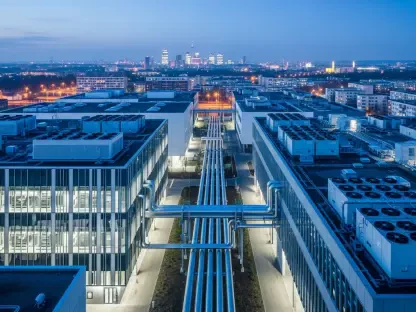
Modularity is the defining characteristic of this infrastructure rollout, allowing for a speed of deployment that was previously unthinkable. By utilizing a modular design, the infrastructure can be co-located at existing telecommunications sites, such as those managed by wireless giants like Crown Castle. This approach avoids the “greenfield” construction hurdles of land acquisition and years-long power delivery timelines that often stall traditional data center projects. Consequently, what used to take years to build can now be brought online in a matter of months, providing a massive speed-to-market advantage.
The synergy with existing telecom sites also ensures that the necessary power and fiber-optic connectivity are already in place. This industrialization of the rollout process allows for a repeatable, scalable model that can be replicated across diverse geographic regions without requiring a fundamental redesign of the site. Such efficiency is vital in a market where the demand for AI capacity is growing at an exponential rate, far outstripping the capacity of traditional builders to keep pace.
High-Performance AI Inferencing
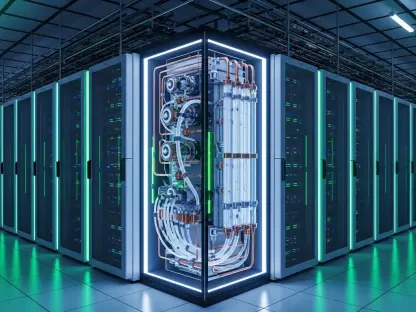
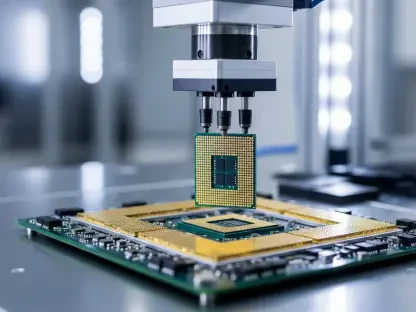
At the heart of each neocloud node lies a hardware stack specifically optimized for AI inference rather than just training. While massive data centers are excellent for training large language models over months, the edge requires the ability to make split-second decisions based on live data streams. Each site is engineered to support up to 48 specialized GPUs, providing the raw horsepower needed for complex visual recognition, natural language processing, and predictive analytics at the source of the data.
This focus on inference represents a fundamental realization that the value of AI in the real world is found in its execution. By optimizing the hardware for real-time decisioning, the neocloud infrastructure enables a new class of applications that were previously impossible due to lag. Moreover, the air-cooled, power-ready nature of these sites ensures that high-density compute can be maintained without the extreme cooling requirements and environmental footprints associated with centralized hyperscale facilities.
Quantum-Resilient Security Framework
Security in a distributed environment presents unique challenges, which are addressed here through the SanQtum zero-trust mesh. In this framework, network access is micro-segmented based on identity and policy rather than physical location, ensuring that even if one node is compromised, the rest of the network remains secure. This move away from traditional perimeter-based security is essential for a fleet of one thousand sites that may be physically located in diverse, non-traditional environments.
Perhaps most impressively, the architecture incorporates post-quantum cryptography to protect against future threats. As quantum computing advances, traditional encryption methods risk becoming obsolete, making long-term data protection a primary concern for enterprises. By embedding quantum resilience into the hardware layer from the outset, the neocloud infrastructure provides a future-proof environment for sensitive government and corporate data, setting a high bar for cybersecurity standards in the edge computing sector.
Current Trends and Industry Shifts
The broader industry is currently witnessing a massive migration of AI workloads from the back office to the front line. For years, the focus was on the “training” phase of AI, which required the massive parallel processing power of centralized hubs. However, the market has entered a phase of implementation where the value lies in the “inference” phase. This shift has created an insatiable demand for infrastructure that can live where the action is, leading to new partnerships between cloud providers and infrastructure owners who control the physical footprint of the city.
Moreover, the industrialization of data center rollouts signifies a move away from bespoke, artisanal construction projects toward a standardized, productized approach. This trend is driven by the need for predictability in a volatile supply chain and a desire to reduce the environmental impact of new builds. By repurposing existing telecom assets, the neocloud model represents a more sustainable and efficient path forward for the digital economy, aligning with global efforts to optimize energy use and reduce land development.
Real-World Applications and Deployment
The practical applications of this technology are vast, ranging from the coordination of autonomous vehicle fleets to the management of smart city grids. In urban environments, real-time analytics can optimize traffic flow and public safety by processing massive amounts of video data locally, without the need to stream high-definition feeds to a distant server. This not only saves bandwidth but also ensures that critical alerts are generated in real time, potentially saving lives in emergency scenarios.
Enterprise users also benefit from the AI-agnostic nature of the infrastructure. Many businesses are hesitant to lock themselves into a single vendor’s ecosystem, preferring to run their proprietary models on neutral hardware. The neocloud model supports this flexibility, allowing companies to deploy models from various providers or their own custom-built solutions. This “bring-your-own-model” approach fosters innovation and ensures that businesses can adapt their AI strategies as the technology continues to evolve.
Implementation Challenges and Market Obstacles
Despite the clear advantages, managing a fleet of one thousand geographically dispersed sites introduces significant logistical complexities. The human resource coordination required to maintain and secure such a massive network is monumental, necessitating sophisticated remote monitoring tools and a highly mobile workforce. Furthermore, the integration of diverse fiber-optic networks and power grids across different states requires navigating a complex web of local regulations and technical standards that can vary wildly from one city to another.
Power density also remains a persistent challenge as GPU requirements continue to climb. While the modular sites are “power-ready,” the long-term sustainability of the model depends on the ability of local grids to support the increasing electrical load of high-performance compute. Ongoing development efforts must focus on improving the energy efficiency of the hardware and exploring alternative cooling methods to ensure that these nodes can continue to operate in dense urban environments without straining local infrastructure.
Future Outlook and Scalability
Looking ahead, the neocloud model is positioned to become the standard for the next wave of global digital transformation. The repeatability of the modular design means that once the initial domestic rollout is complete, the framework can be expanded into international markets with relative ease. This scalability is crucial for global enterprises that require consistent performance and security protocols across their worldwide operations. As edge-native AI applications become more common, the demand for this type of decentralized infrastructure will only intensify.
Breakthroughs in edge-native AI will likely lead to even more efficient models that require less power but provide greater intelligence. The long-term impact of this shift will be a more democratic access to high-performance computing, where even small organizations can leverage the power of AI without the need for a massive capital investment in their own hardware. This decentralization of power—both computational and economic—has the potential to spark a new era of localized innovation across various sectors of the global economy.
Final Assessment of Neocloud Infrastructure
The evaluation of the neocloud model demonstrated that its primary strength lay in its ability to circumvent the traditional bottlenecks of the centralized cloud. By prioritizing speed-to-market and low-latency performance through modular deployment, the technology addressed the immediate needs of an AI-driven market. The integration of quantum-resilient security and AI-agnostic flexibility provided a compelling alternative to the rigid structures of legacy hyperscalers. It was clear that the successful industrialization of this rollout marked a turning point in how digital infrastructure was conceived and executed.
In conclusion, the project represented a sophisticated response to the logistical limits of the previous era. Moving forward, stakeholders should focus on the continued integration of renewable energy sources to power these edge nodes and the development of even more granular zero-trust protocols. As the industry moves toward a more distributed future, the ability to maintain a secure, high-performance network at the edge will remain the most critical factor for success. The verdict on neocloud infrastructure was one of cautious optimism, recognizing it as a necessary and innovative step toward a truly intelligent and responsive digital world.