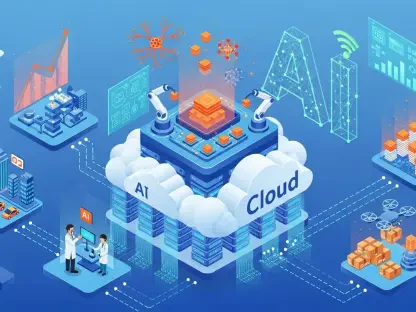

The rapid transformation of cloud computing from a specialized technological niche into the foundational architecture of the global digital economy has fundamentally altered the educational requirements for modern university students. As of 2026, the global workforce requires a level of cloud proficiency that was previously reserved for senior engineering roles, leading academic institutions to radically overhaul their curricula. Computer science and information technology programs now emphasize real-world deployments over theoretical memorization, forcing students to engage with complex service environments. This evolution has created a significant academic gap, where the speed of technological change often outpaces the support structures available within traditional classrooms. Consequently, students frequently find themselves in search of specialized external resources to navigate the intricate demands of cloud-native development. These resources are no longer just supplementary; they have become essential tools for mastering the high-stakes projects required by contemporary universities.
Navigating the Technical Demands of Modern IT Courses
University-level cloud computing assignments currently demand an unprecedented degree of technical proficiency that extends far beyond simple software installation or basic coding. Students must demonstrate a comprehensive ability to design scalable and resilient digital infrastructures that can withstand the pressures of modern data traffic. This involves a deep dive into various service models, specifically distinguishing between the utility of Software as a Service (SaaS), Platform as a Service (PaaS), and Infrastructure as a Service (IaaS). Crafting a project that correctly utilizes these models requires a nuanced understanding of how resources are allocated and managed in a virtualized environment. Assignments often focus on the creation of virtual private clouds (VPCs) and the implementation of load balancers, requiring students to act as architects rather than just students. Such tasks demand a level of precision that is difficult to achieve without a background in systems engineering or direct access to professional-grade mentorship.
Beyond the initial architectural design, the integration of modern methodologies like DevOps pipelines and containerization has become a standard requirement in advanced computer science courses. Students are expected to handle complex tools such as Docker for container management and Kubernetes for orchestration, which are essential for maintaining modern cloud applications. The difficulty is further compounded by the necessity of integrating rigorous security frameworks and data governance protocols into every project submission. Furthermore, these technical executions must be documented according to strict academic referencing styles, such as APA, Harvard, or the highly technical IEEE format. The pressure to maintain technical accuracy while adhering to formal academic standards creates a significant challenge for many learners. This intersection of high-level engineering and formal documentation often drives students to seek out specialized academic support services that can provide clarity on both technical implementation and scholarly presentation.
Evaluation of Specialized Academic Support Platforms
AssignmentWriters.au has established itself as a prominent platform that caters specifically to the unique requirements of the Australian academic system and its rigorous standards. This service is widely recognized for its ability to bridge the gap between abstract theoretical research and the practical implementation of cloud architectural designs. It is particularly effective for students who are tasked with producing detailed implementation reports or conducting comparative analyses of major cloud providers like AWS or Azure. By emphasizing academic rigor and ensuring that every project is backed by peer-reviewed research, this platform helps students meet the high expectations of university evaluators. The focus here is not just on completing a task but on ensuring that the final output reflects a sophisticated understanding of how cloud theory translates into real-world business solutions. This specialized approach ensures that students can submit work that is both technically sound and academically credible, which is vital for securing top-tier grades.
For postgraduate students who are navigating an even steeper learning curve, AssignmentExpert.io provides a level of advanced specialization that is often necessary for masters-level success. This platform focuses intensely on high-level technical details, such as the construction of distributed systems and the management of continuous integration and continuous deployment (CI/CD) pipelines. It serves as an ideal resource for those working on capstone projects or complex dissertations where every technical decision must be justified through data and logic. The service is known for providing exceptionally structured documentation and highly accurate technical diagrams that illustrate virtualization models with professional clarity. By aligning their output with specific university marking rubrics, the experts on this platform help students navigate the most challenging aspects of their degrees. This level of support is crucial for students who need to demonstrate mastery over the most sophisticated elements of cloud engineering and systems architecture.
Strategic Solutions for Foundational Learning and Time Management
Undergraduate students who are still in the process of mastering the core concepts of cloud computing can find significant value in the specialized services offered by AssignmentHelp.io. This platform prioritizes clarity and a strong foundational understanding, helping students to grasp the underlying reasons for choosing specific cloud service models over others. It is an exceptionally reliable choice for students who are struggling with urgent deadlines, as it provides streamlined support and straightforward documentation on virtualization and security fundamentals. The user-friendly nature of the service makes it an accessible entry point for those who are new to the field and need a logical explanation of how disparate cloud components interact. By focusing on the “why” as much as the “how,” this service empowers students to build a solid knowledge base that will serve them well in future, more advanced courses. This foundational support is often the difference between a student feeling overwhelmed and gaining the confidence to pursue more complex IT certifications.
A primary driver for seeking professional assistance in the current academic climate is the intense time pressure experienced by modern students who must balance multiple roles. In 2026, the average IT student is often managing high-stakes internships, part-time jobs in the tech sector, and a heavy load of concurrent coding projects. This packed schedule leaves very little room for the extensive, deep-dive research that cloud computing assignments require to be successful. Professional services act as a structured support system, allowing students to manage their complex schedules effectively without having to sacrifice the quality of their academic submissions. By delegating the more time-consuming research and documentation tasks to experts, students can focus their energy on mastering the practical coding and configuration skills that are essential for their upcoming careers. This balanced approach to time management is a strategic move that allows for consistent academic performance while maintaining a healthy work-life balance in a demanding field.
Strategic Growth and Professional Documentation Standards
Utilizing expert help for cloud computing assignments is increasingly viewed as a method for long-term skill enhancement rather than a simple shortcut to a grade. By reviewing professionally structured work, students gain direct insight into how complex architectures should be documented and how technical research should be presented to stakeholders. These expert-level samples serve as a practical roadmap for the documentation styles that students will eventually be expected to use in their professional lives as cloud architects or systems engineers. Learning how to translate a complex technical deployment into a clear, concise report is a skill that is highly valued in the corporate world. Exposure to high-quality academic work helps students internalize the standards of the industry, teaching them how to justify technical choices with evidence and logic. This educational aspect of professional support ensures that the benefits of the service extend far beyond the immediate deadline, contributing to the student’s overall professional development.
As cloud technology continues to evolve at a rapid pace, with major providers releasing updates and new services almost weekly, staying current is a perpetual challenge for even the best students. Academic experts who work within these support platforms are often active practitioners who help students navigate these frequent updates, ensuring that their work reflects the most recent industry trends. This includes the application of the latest security protocols and compliance standards, which are critical in a landscape where data breaches carry heavy consequences. Ultimately, these services provide a vital safety net that helps students build a robust academic foundation that will eventually translate into professional success in the expanding world of IT. By engaging with experts, students are not just finishing an assignment; they are participating in a mentorship process that prepares them for the high standards of the modern tech workforce. This preparation is essential for anyone looking to make a significant impact in the field of cloud-native engineering.
Future Considerations: Transitioning from Academic Support to Professional Excellence
The investigation into specialized academic support for cloud computing revealed that external expertise served as a bridge between theoretical classroom learning and high-level industrial application. Students who utilized these platforms gained access to advanced architectural insights and rigorous documentation standards that were often difficult to master through independent study alone. The process allowed for a deeper exploration of complex topics like container orchestration and CI/CD pipelines, which established a strong technical foundation for future career advancement. By reviewing the structured outputs provided by professional experts, learners identified the specific criteria necessary for high-distinction work and professional-grade reports. This historical reliance on expert guidance proved to be a strategic decision for those who aimed to excel in an increasingly competitive technological landscape.
Moving forward, individuals should view these academic resources as a starting point for developing a personalized portfolio of cloud-based projects and technical documentation. It is recommended that students actively analyze the methodologies used by experts to refine their own approaches to system design and data security. Transitioning from a recipient of support to a practitioner requires continuous engagement with the latest white papers and certification pathways offered by major cloud providers. Building on the insights gained from specialized assistance will involve applying these high standards to independent research and collaborative open-source contributions. By maintaining the same level of documentation rigor and technical precision learned through expert consultation, graduates will be well-positioned to meet the demands of the modern engineering workforce. Taking these proactive steps will ensure that the academic success achieved today evolves into a sustainable and high-impact career in the cloud computing industry.