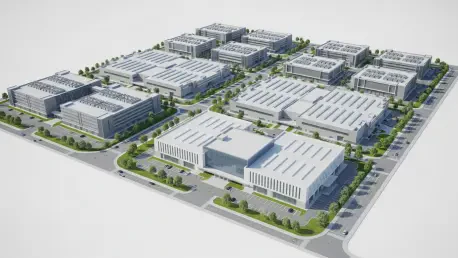

The rapid expansion of digital infrastructure across Montgomery County has forced municipal leaders to reconsider long-standing land use policies to accommodate the massive power and cooling requirements of modern artificial intelligence facilities. Lower Pottsgrove is currently positioning itself as a primary destination for these technological hubs by accelerating the implementation of specialized zoning classifications. This proactive stance aims to replace stagnant industrial corridors with high-value digital assets that promise significant tax revenue without the typical burdens of residential expansion. By prioritizing these amendments now, the township avoids the risk of losing major developers to neighboring regions that have already streamlined their permitting processes. Local officials recognize that the window for capturing high-tier data center investment is narrow, necessitating a regulatory framework that is both flexible and robust. Consequently, the board is focusing on clear definitions to ensure clarity for all stakeholders.
Regulatory Framework: Modernizing Local Governance
Ordinance Amendments: A Strategic Legal Approach
The proposed zoning changes specifically target the Limited Industrial and Heavy Industrial districts to provide a clear pathway for data center approval through the conditional use process. This move simplifies the legal landscape for developers who previously faced ambiguous definitions that often grouped data centers with general warehousing or light manufacturing. By establishing “Data Center” as a distinct land use category, the township is setting explicit expectations regarding building height, floor area ratios, and required setbacks from residential property lines. These regulations ensure that while the facilities can reach the massive scale required for liquid cooling systems and server racks, they do not encroach upon the quality of life for nearby homeowners. The fast-track approach does not bypass environmental reviews but rather synchronizes them with the initial planning stages to reduce redundant administrative delays. This clarity serves to attract serious institutional investors.
Infrastructure Readiness: Power and Connectivity Requirements
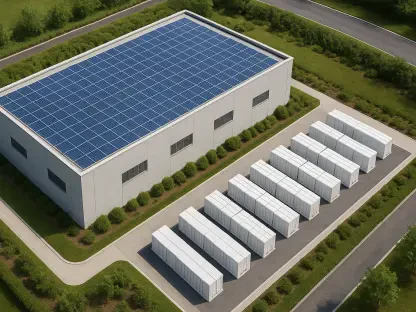
Sustaining a modern data center requires more than just available land; it necessitates a direct and high-capacity connection to the regional power grid and fiber optic backbones. Lower Pottsgrove is working closely with utility providers like PECO to assess the load capacity of existing substations and identify areas where upgrades are most feasible for near-term development. The township’s proximity to major transportation and communication corridors makes it an ideal candidate for low-latency network clusters that support real-time data processing. Unlike traditional factories that may produce physical waste or heavy truck traffic, these facilities demand massive electrical throughput and specialized water-cooling recycling systems. Developers are being encouraged to integrate sustainable energy solutions, such as on-site battery storage or solar arrays, to mitigate the strain on the local grid. This technical preparation ensures the township remains competitive in a market where speed to power is often the deciding factor for site selection.
Economic Impact: Evaluating Sustainable Community Benefits
Revenue Streams: Diversifying the Municipal Tax Base
The primary motivation behind the zoning acceleration is the potential for a substantial increase in the local tax base without adding strain to the public school system. Traditional residential developments often require expensive infrastructure extensions and increase the student population, whereas data centers provide a high assessed value with minimal impact on local services. Revenue generated from these facilities can be redirected toward community improvements, such as park enhancements or road repairs, providing a direct benefit to every resident. Furthermore, the construction phase alone brings hundreds of specialized jobs to the area, stimulating the local economy through increased spending at small businesses and service providers. Once operational, these sites require a permanent workforce of highly skilled technicians and security personnel, contributing to the professional diversification of the township. By securing these long-term tenants, Lower Pottsgrove is insulating its budget against the volatility of more traditional industries.
Operational Sustainability: Mitigation and Future Standards
The finalization of these zoning amendments established a clear roadmap for the future of digital infrastructure in Lower Pottsgrove while protecting the interests of the existing community. Local planners successfully balanced the need for economic growth with the necessity of maintaining strict standards for noise and aesthetics. Moving forward, the township remained diligent in monitoring the operational impact of these new facilities as they came online throughout the following years. Ongoing collaboration between municipal staff and technology developers ensured that the first wave of projects integrated seamlessly into the regional grid without causing disruptions to residential services. It was vital that the township continued to review these standards periodically to keep pace with evolving cooling technologies and energy efficiency mandates. By acting decisively, the board provided the stability required for large-scale investment while securing a sustainable fiscal future. The focus shifted toward long-term maintenance.