


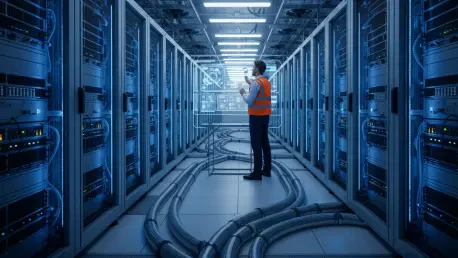

The towering smokestacks of decommissioned coal plants in Western New York, once symbols of the carbon-heavy industrial era, have become the unlikely foundations for a new breed of technological titan known as the AI neocloud. This metamorphosis is not merely a cosmetic rebranding of real estate but a fundamental shift in how global energy infrastructure is utilized to support the insatiable appetite of large-scale generative models. Neoclouds represent a specialized class of cloud service providers that differ significantly from traditional hyperscalers by dedicating their entire operational footprint to high-performance computing and artificial intelligence workloads. While legacy providers like Amazon Web Services or Microsoft Azure offer a broad spectrum of general-purpose services, neoclouds focus on providing the massive electrical capacity and specialized hardware needed for intensive model training. Over 100 of these firms emerged between the start of the decade and the current period in 2026, creating a fragmented yet explosive market that bridges the gap between heavy industry and digital intelligence. By repurposing old-world industrial sites that already possess high-voltage electrical connections, these companies are effectively terraforming the energy landscape to suit a world where data is as valuable as the electricity that powers it.
Evolution from Crypto Mining to Industrial AI
Many of the most prominent players in the current neocloud ecosystem began their journey in the volatile world of cryptocurrency mining, where they perfected the art of high-density power management. The transition from mining digital currencies to hosting artificial intelligence required a massive leap in technical sophistication, as the requirements for AI training are far more stringent than those of a blockchain network. While a crypto mine could experience intermittent downtime without catastrophic financial loss, an AI cluster training a trillion-parameter model requires near-perfect reliability and constant, unwavering energy delivery. Companies such as TeraWulf have successfully pivoted by leveraging their existing expertise in thermal cooling and electrical engineering to scale their operations into the gigawatt range. This shift signaled a broader industry trend where the survival of infrastructure firms depended on their ability to move beyond speculative digital assets and toward the foundational physical needs of the global AI economy. The institutional knowledge gained during the mining boom regarding how to cool high-intensity hardware and manage massive electrical loads has become a competitive advantage in a market where operational efficiency is the primary driver of profitability.
To bypass the frustratingly slow process of traditional utility grid interconnection, which can often take years to finalize, modern neocloud providers are pioneering an aggressive “bring-your-own-power” strategy. This approach involves targeting geographical locations that possess significant but underutilized electrical capacity, such as regions adjacent to hydroelectric dams or aging nuclear facilities. By establishing behind-the-meter installations, these specialized providers can connect directly to the energy source, effectively insulating their operations from the capacity constraints and regulatory hurdles of the public grid. This strategy not only accelerates the speed at which new AI clusters can be deployed but also provides a more stable and cost-effective energy supply for clients who cannot wait for public infrastructure to catch up with private sector innovation. The ability to secure large swaths of “powered land” has become the primary battleground for neocloud firms, as the availability of electricity has replaced the availability of real estate as the ultimate limiting factor in digital expansion. This direct-to-source energy model represents a significant departure from the centralized utility structures of the past, creating a decentralized network of high-energy compute hubs that exist independently of traditional city planning.
Capital Markets: The Race for Powered Land
Constructing a modern neocloud facility is an extraordinarily capital-intensive endeavor that requires a deep understanding of both high finance and industrial engineering. Current industry estimates suggest that the cost of building out a Tier-3 or Tier-4 AI data center ranges between $7 million and $10 million per megawatt of capacity, a figure that includes everything from advanced liquid cooling systems to the high-performance GPUs themselves. Despite these staggering upfront expenditures, the financial incentives remain compelling because a single large-scale campus can generate billions of dollars in revenue over the course of a 15-year service contract. Investors have responded to this potential by reclassifying “powered land”—sites with pre-existing utility agreements and high-voltage substations—as some of the most valuable assets in the modern economy. This shift in valuation has led to a gold rush where private equity firms and institutional investors are scouring industrial zones for abandoned factories and power plants that can be converted into digital engines. The sheer scale of these investments indicates that the market views AI infrastructure not as a fleeting trend but as the backbone of a new industrial revolution that requires massive, long-term capital commitments.
As the neocloud market continues to mature through the middle of the decade, a clear “flight to quality” has begun to separate the serious infrastructure owners from simple hardware resellers. Successful firms are those that have managed to secure both long-term energy contracts and a steady, prioritized supply of the latest processing hardware from manufacturers like Nvidia or AMD. This vertical integration—controlling the site, the power, and the silicon—has become the gold standard for reliability in an industry plagued by supply chain disruptions and energy shortages. High-profile partnerships between traditional investment giants and specialized tech firms have further validated this model, providing the necessary liquidity to build out massive campus projects that would have been unthinkable just a few years ago. These partnerships often involve complex financial instruments designed to hedge against fluctuating energy prices and hardware obsolescence, ensuring that the infrastructure remains viable over long-term cycles. Consequently, the landscape is moving away from smaller, experimental startups and toward large-scale, vertically integrated entities that can withstand the financial pressures of maintaining cutting-edge hardware while managing the massive operational overhead of high-density energy consumption.
Addressing Social Resistance and Operational Hurdles
The rapid expansion of energy-intensive AI campuses has not been without its share of public controversy and social friction within local communities. Residents in areas targeted for neocloud development often express significant concerns regarding the environmental impact of these facilities, particularly their massive water consumption for cooling and the potential strain on local electrical grids. In some jurisdictions, this has led to a backlash against the tech industry, with local governments facing pressure to impose stricter regulations or moratoriums on new data center construction. Balancing the urgent national and global need for AI infrastructure with the rights and resources of local populations has emerged as a critical hurdle for neocloud executives. To address these concerns, some providers have begun investing in more sustainable practices, such as closed-loop water systems and direct investments in local renewable energy projects. However, the sheer physical scale of these installations—often consuming as much electricity as a medium-sized city—makes it difficult to fully mitigate their impact on the surrounding environment and infrastructure. The ongoing debate highlights a fundamental tension between the digital ambitions of the global economy and the physical realities of the communities that host the necessary hardware.
Beyond the political and financial challenges, the technical complexity of operating high-density AI environments presents a formidable barrier to entry for newcomers in the space. Unlike traditional data centers that primarily rely on air cooling, AI-specific environments often necessitate advanced liquid-to-chip cooling systems to manage the intense thermal loads generated by modern GPUs. Engineering these systems requires specialized knowledge in fluid dynamics and thermal management that is not typically found in the general IT workforce. Many firms that entered the neocloud space during the initial hype phase have struggled to maintain the operational standards required for high-performance computing, leading to hardware failures and costly downtime. The transition to liquid cooling also introduces new risks, such as the potential for leaks and the need for complex maintenance procedures that can disrupt operations. Furthermore, the rapid pace of hardware evolution means that facilities must be designed with extreme flexibility to accommodate future generations of processors that may have even higher power and cooling requirements. Mastering these operational complexities is what truly distinguishes the top-tier neocloud providers from those who simply own real estate, as the ability to maintain peak performance under extreme conditions is the key to securing high-value AI training contracts.
Strategic Integration: Navigating the Sovereign Compute Era
Looking back at the shifts that occurred as 2026 progressed, the neocloud sector entered a period of rapid consolidation where asset-rich companies became the primary targets for larger technology conglomerates seeking to secure their supply chains. The winners in this space were the organizations that successfully integrated their digital infrastructure with the global energy grid while maintaining a focus on sovereign compute capabilities. These firms recognized that control over energy production and data processing was no longer a luxury but a strategic necessity for national security and economic independence. They implemented rigorous programs to engage with local communities early in the development process, offering transparent data on resource usage and creating high-skilled job opportunities that helped mitigate local opposition. Furthermore, they diversified their energy portfolios to include a mix of nuclear, hydro, and solar power, ensuring that their AI clusters remained operational even during periods of grid instability or geopolitical tension. This holistic approach to infrastructure management allowed them to transcend the “landlord” model and become essential partners in the development of global AI capabilities.
The strategic roadmap for the coming years was built upon the realization that the relationship between energy and data would define the competitive landscape of the late twenty-first century. Leaders in the field moved toward standardized modular designs that allowed for rapid scaling and easier hardware upgrades, reducing the time from site acquisition to operational status. They also prioritized the development of proprietary energy management software that optimized power consumption in real-time based on the specific requirements of the AI models being trained. By doing so, they achieved operational efficiencies that were previously thought impossible, driving down costs for their clients while increasing their own margins. For stakeholders looking to enter or expand within this space, the primary takeaway was that success depended on the ability to bridge the gap between heavy industrial operations and advanced software engineering. The transition of the industrial footprint from the carbon era to the silicon era was not just about changing the occupants of a building, but about redefining the very nature of infrastructure to support an economy driven by machine intelligence. These strategic moves laid the groundwork for a more resilient and sustainable digital future where energy was not just a utility but a foundational element of innovation.







