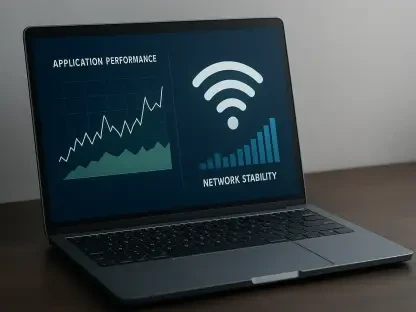

The rapid acceleration of high-capacity data consumption and the pervasive integration of intelligent systems into daily life have forced telecommunications giants to rethink the very foundations of their network architecture. AT&T recently finalized a monumental $23 billion agreement to acquire wireless spectrum licenses from EchoStar, marking one of the most significant infrastructure investments in the modern digital era. This massive transaction is not merely a purchase of regulatory permits but a strategic acquisition of the invisible real estate essential for sustaining the flow of global information. By securing these critical radio frequencies, the company is effectively future-proofing its ability to handle the exponential growth of data traffic. This move ensures that the carrier remains a dominant force in a market where connectivity is no longer a luxury but a fundamental requirement for industrial and social stability. The scale of this investment reflects a deep confidence in the ongoing evolution of mobile technology and its role in a highly connected world.
Strategic Deployment: Low and Mid-Band Assets
The technical core of this acquisition involves the strategic integration of 50 megahertz of nationwide spectrum, utilizing a sophisticated blend of low-band and mid-band frequencies to maximize network reliability. Specifically, the inclusion of the 600 MHz range provides a robust backbone for broad geographic coverage, allowing signals to travel over vast distances with minimal degradation. These low-band waves possess the unique physical property of being able to penetrate dense urban materials like concrete and steel, as well as thick natural foliage in rural environments. For the average consumer, this means fewer dropped calls and more consistent data speeds while indoors or moving through geographically challenging areas. By reinforcing the foundational layer of its network, the carrier is creating a dependable environment where users can stay connected regardless of their physical location. This reliability is paramount as more sectors of the economy depend on constant uptime for critical operations.
Complementing these broad coverage assets is the 3.45 GHz mid-band spectrum, which serves as the primary engine for high-speed data delivery in densely populated environments. Often referred to as the Goldilocks band, this frequency range offers a perfect balance between range and capacity, delivering the ultra-fast speeds that have become the hallmark of advanced 5G connectivity. In environments where thousands of devices compete for bandwidth, such as sports arenas, airports, and urban centers, this additional capacity ensures that individual users do not experience significant latency or congestion. The integration of this mid-band spectrum allows the network to support a higher density of concurrent connections while maintaining the throughput required for high-definition streaming and interactive gaming. This strategic layering of frequencies demonstrates a nuanced approach to network design, ensuring that the infrastructure can meet the diverse demands of both high-coverage and high-capacity scenarios without compromising performance.
Artificial Intelligence Support: The Role of Enhanced Uplink
While previous generations of wireless technology focused heavily on download speeds, the emergence of sophisticated artificial intelligence tools has shifted the priority toward enhancing uplink capacity. Modern applications involving generative AI and real-time cloud computing require users to send massive amounts of data back to the server almost instantaneously for processing. The acquisition of new spectrum directly addresses this need by providing the necessary overhead for higher upload speeds, which are critical for professional and creative tasks. As remote collaboration becomes more immersive and data-intensive, the ability to transmit large files and high-resolution video streams without bottlenecking becomes a competitive necessity. This investment ensures that the network can facilitate the complex, two-way communication required by the latest generation of software. By focusing on the symmetrical nature of modern data usage, the company is positioning its infrastructure to serve as the vital link between decentralized users and the powerful AI models that drive modern productivity.
This spectrum expansion does not exist in a vacuum; rather, it works in tandem with an extensive existing fiber-optic network to create a seamless data ecosystem. While the wireless frequencies manage the final connection to mobile devices, the underlying fiber lines provide the massive backhaul capacity needed to transport that data across the globe. By strengthening the wireless entry points, the carrier can funnel more traffic through its fiber infrastructure, resulting in a more efficient and unified user experience across all platforms. This synergy is particularly important for the millions of businesses that rely on a combination of mobile and fixed-line connectivity to maintain their operations. The integration of these two technologies allows for a more resilient network that can adapt to shifting demands in real-time. Furthermore, this approach maximizes the value of previous investments in landline infrastructure, ensuring that every megabyte of data captured via the new spectrum is handled by a high-performance backbone capable of supporting nearly 100 million customers.
Long-Term Asset Value: Financial Stability and Deployment
From a financial perspective, the $23 billion expenditure represents a generational investment in a tangible and durable asset that is expected to retain its value for decades. Unlike hardware components that eventually become obsolete or require frequent replacement, spectrum licenses are a finite resource that will continue to be the primary medium for wireless communication for the foreseeable future. The company’s ability to incorporate this massive purchase into its current 2026 financial framework without jeopardizing its overall economic stability highlights a disciplined approach to capital allocation. This deal reflects a long-term vision where ownership of the airwaves provides a significant barrier to entry and a lasting competitive advantage. By securing these rights now, the carrier avoids the volatility of future auctions and ensures it has the resources necessary to transition into even more advanced wireless standards as they emerge. This fiscal strategy balances the need for aggressive growth with the responsibility of maintaining a healthy balance sheet for investors and stakeholders.
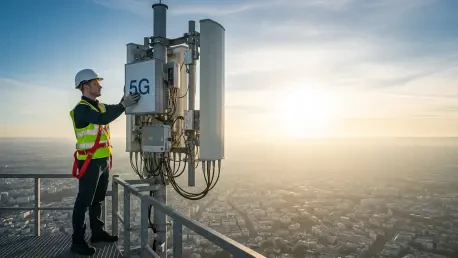
The transition toward activating this newly acquired spectrum required a meticulous multi-stage deployment process involving the installation of advanced antenna systems and software upgrades. Engineers and technicians across the country worked to integrate these frequencies into existing cell towers, ensuring that the expanded capacity became available to consumers in a phased and efficient manner. This project prioritized high-traffic areas where the immediate impact on network congestion was most visible, effectively enhancing the experience for millions of connected devices. Looking ahead, industry leaders recognized that maintaining such a robust network necessitated continuous innovation in beamforming and massive MIMO technologies to fully exploit the available bandwidth. Decision-makers within the organization remained focused on the convergence of mobile connectivity and smart city initiatives, providing a clear roadmap for how this spectrum would eventually support autonomous systems. The completion of these initial infrastructure milestones established a foundation that allowed for the seamless adoption of increasingly complex digital services.