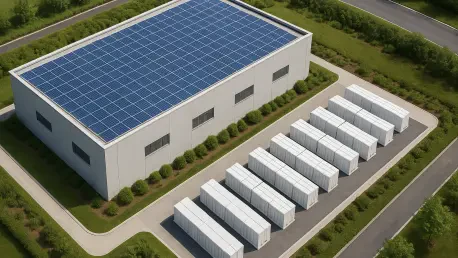

Replacing diesel backup generators with gas-powered systems and battery storage represents a significant shift toward reducing the carbon footprint of massive server farms. As the global economy becomes increasingly digitized, the reliance on hyper-scale facilities—sites housing over 5,000 servers and drawing more than 100 Megawatts of electricity—has transformed from a niche technological requirement into a cornerstone of regional infrastructure development. These colossal structures are no longer hidden on the fringes of industrial zones but are moving closer to residential hubs, necessitating a delicate negotiation between local governments and tech developers. The sheer scale of these projects brings immense economic potential, yet it simultaneously introduces challenges regarding land use, resource consumption, and aesthetic integration. Local officials now find themselves acting as essential mediators, tasked with ensuring that the digital backbone of the modern world does not come at the expense of the residents’ quality of life.
The Fiscal Advantages of Digital Infrastructure
The economic allure of hosting hyper-scale data centers is most visible in regions that have successfully integrated these facilities into their long-term fiscal strategies. For instance, Loudoun County, Virginia, has set a benchmark by leveraging its high concentration of server farms to generate billions of dollars in tax revenue, which in turn supports public schools, parks, and transportation projects. Even in smaller communities like Pine Island, Minnesota, the arrival of a single data center is projected to create approximately 100 permanent, high-skilled trade positions, providing a stable employment base for local workers. These facilities act as significant contributors to the local tax base without requiring the same level of public services as residential developments, such as extensive school funding or emergency service expansion. By attracting these tech giants, municipalities can effectively offset local tax burdens and address unfunded mandates that might otherwise strain the community’s financial health.
Beyond the immediate tax windfalls, the presence of major data centers often serves as a catalyst for a broader industrial transformation within a region. These facilities require specialized labor for construction and ongoing maintenance, leading to a surge in demand for electricians, cooling system technicians, and cybersecurity experts. This influx of high-paying roles encourages local educational institutions to develop tailored training programs, ensuring that the local workforce remains competitive in an increasingly automated economy. Furthermore, the arrival of a prestige tech firm can enhance a city’s reputation, making it more attractive to other peripheral businesses, from hardware suppliers to logistics providers. While the physical footprint of a data center is massive, its role as an economic engine is often characterized by this multiplier effect, where the initial investment spurs a ripple of secondary growth across various sectors. This strategic positioning allows communities to move toward a future-oriented, service-driven model.
Strategic Pathways for Local Integration
Environmental sustainability and sensory integration have become non-negotiable factors in the approval process for new data center developments. Historically, these facilities relied on high-water-use evaporative cooling systems, but current technological trends are shifting toward advanced closed-loop systems that prioritize water conservation by recycling coolant repeatedly. To address the persistent hum of massive cooling fans, developers are now adhering to stricter noise ordinances that keep sound levels between 55 and 65 decibels at the property line through the use of strategic screening and industrial zoning. Furthermore, the immense power demand of these sites necessitates that developers fund their own transmission infrastructure to avoid straining the regional grid. This proactive approach ensures that the energy requirements of a server farm do not lead to increased utility rates for local residents or compromise grid stability. By implementing these self-contained systems, tech firms prove their commitment to being responsible neighbors.
Strategic oversight of data center development required local leaders to establish clear, enforceable standards before any construction commenced. They prioritized strict industrial zoning that mandated substantial setbacks and visual buffering, ensuring the physical presence of these facilities did not overwhelm the local landscape. Successful municipalities also insisted on technological upgrades for cooling and power systems, moving away from legacy diesel and water-intensive methods to protect regional resources. Negotiating comprehensive community benefit agreements became a standard practice, allowing the local tax base to thrive while developers took responsibility for the infrastructure they utilized. These proactive measures transformed potential points of contention into collaborative opportunities for regional prosperity. By treating data centers as active partners rather than isolated industrial entities, communities successfully balanced economic growth with the fundamental needs of their residents while securing long-term financial stability.