
The vast, sun-drenched expanses of the American Southwest have transitioned from a wide-open frontier for technological expansion into a complex battleground where the demands of artificial intelligence clash with the finite reality of natural resources. For several years, states like Texas, Arizona, and New Mexico aggressively courted tech giants with the promise of cheap land and significant tax incentives, effectively laying the groundwork for a massive infrastructure surge. However, the sheer scale of the current AI boom is forcing a dramatic strategic reevaluation among regional leaders who are now questioning the long-term viability of these open-door policies. This shift is characterized by a move away from unbridled growth toward a more stringent model of corporate responsibility, as the unprecedented electricity and water requirements of hyperscale data centers begin to strain public utilities and threaten the stability of local grids. What was once seen as a guaranteed economic windfall is now being viewed through a more skeptical lens by governments.
The Texas Pivot: Demanding Self-Sufficiency in Energy
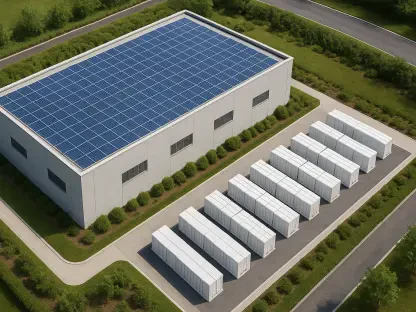
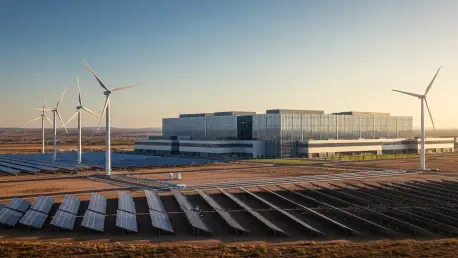
Texas has historically been the primary destination for industrial growth due to its independent power grid and business-friendly climate, yet the state is now spearheading a movement toward a “bring your own power” mandate for new developments. Governor Greg Abbott has pivoted from his role as an unconditional cheerleader for tech expansion to a more cautious strategist, signaling that future data centers must fund their own infrastructure and generate their own electricity. This policy shift aims to protect residential ratepayers from the soaring energy costs associated with the massive power draw of AI workloads. By requiring these facilities to be self-sufficient, the state hopes to decouple private-sector growth from public grid stability, ensuring that the arrival of a new data hub does not translate into higher monthly bills or increased blackout risks for the average citizen. This mandate represents a fundamental change in how the state views the value of tech infrastructure.
The financial implications of the previous incentive-heavy era are becoming increasingly clear, as the Texas Comptroller’s Office projects substantial annual revenue losses due to existing tax exemptions granted to major data center operators. This fiscal reality, combined with the visible strain on local resources, has sparked a grassroots movement against the proliferation of these massive windowless structures. San Marcos recently became the first city in the state to enact a total ban on new data center construction, reflecting a growing public sentiment that these projects consume far more in resources than they contribute in local economic value. While these facilities provide significant capital investment, they typically offer very few long-term jobs compared to their physical footprint. Communities are no longer willing to sacrifice their land and water for a promise of secondary economic benefits that may never materialize for the actual residents living near these industrial tech sites.
Resource Management: Addressing the Water and Credit Crisis
Financial analysts and credit rating agencies are beginning to express serious concern regarding the long-term economic vulnerabilities created by rapid, unregulated data center expansion across the arid Southwest. Moody’s Ratings has specifically identified that the massive costs associated with building new transmission lines and expanded water treatment systems could ultimately fall on local taxpayers if developers are not held strictly accountable. To mitigate these credit risks, regional governments are increasingly implementing temporary moratoriums while they overhaul their tax structures and development agreements. These legislative pauses are designed to ensure that tech giants, rather than the general public, bear the full financial burden of the infrastructure required to support their operations. By shifting the cost of development back onto the corporations, cities are attempting to safeguard their municipal bond ratings and prevent a situation where the AI boom leads to a long-term public debt crisis.
The environmental cost of cooling these high-density computing clusters is perhaps the most contentious issue facing the region, particularly in states where water is a precious and dwindling commodity. In Utah, executive orders have been issued to prioritize the preservation of the Great Salt Lake, mandating a rigorous and transparent evaluation process for any new project that requires significant water usage. Meanwhile, in New Mexico, legal challenges surrounding “Project Jupiter” have highlighted a deep-seated public demand for transparency regarding the true volume of water consumed by these facilities. Communities are increasingly refusing to jeopardize their underground aquifers for the sake of technological progress, leading to stricter requirements for water recycling and the adoption of air-cooling technologies. The era of limitless water access for industrial use is over, as regional leaders recognize that the ecological health of the Southwest is more valuable than the rapid expansion of the digital economy.
Policy Evolution: Establishing New Legislative Guardrails
Throughout the Southwest, the period of unchecked corporate recruitment is being replaced by a more regulated and cautious framework that prioritizes regional stability over short-term investment wins. Arizona has already enacted a multi-year pause on specific data center tax breaks, allowing state legislators the time necessary to evaluate the true impact of these facilities on the local energy market and water supply. Similarly, several municipalities in Oklahoma have implemented temporary zoning moratoriums to revise their land-use codes, ensuring that new industrial projects are located in areas where they will cause the least amount of disruption to existing residential neighborhoods. These legislative guardrails are essential for preventing a “race to the bottom” where states compete by offering increasingly unsustainable incentives. Instead, the focus has shifted toward creating a sustainable ecosystem where technological innovation can coexist with the preservation of natural resources and public services.
The transition toward a “user-pays” model for infrastructure became the necessary solution for balancing the needs of the global AI industry with the survival of Southwestern communities. States successfully moved away from the outdated strategy of providing unconditional subsidies, instead requiring tech firms to invest in their own renewable energy sources and advanced water reclamation systems. This approach ensured that the technological progress achieved through the AI boom did not come at the expense of the region’s long-term environmental or financial security. By establishing these clear boundaries, policymakers provided a predictable environment for businesses while protecting the fundamental interests of their constituents. The resulting framework fostered a more mature relationship between the public sector and the tech industry, where growth was measured not just by computational capacity, but by the ability of these facilities to contribute positively to the local infrastructure. This strategic pivot ultimately redefined the region’s economic landscape for the better.