
Recent global connectivity data indicates that the fundamental nature of network instability has undergone a radical transformation, moving away from accidental hardware failures toward intentional human-driven disruptions. Analysis from the first quarter of 2026 reveals a stark departure from the era when configuration errors or accidental anchor drags accounted for the majority of service interruptions. Instead, a new paradigm has emerged where digital connectivity is frequently held hostage by geopolitical maneuvering and internal civil unrest. In numerous jurisdictions, administrative authorities have increasingly resorted to intentional shutdowns of communication networks to suppress dissent or maintain control during volatile election cycles. This weaponization of the internet demonstrates that access to the digital world is increasingly becoming a privilege granted or revoked by state actors rather than a guaranteed utility. As regional tensions escalate, the correlation between political instability and sudden network blackouts has become a predictable, albeit troubling, hallmark of modern governance.
The Intersection of Energy Reliability and Physical Infrastructure
Beyond the realm of policy-driven outages, the physical security of the digital ecosystem is facing unprecedented pressure from crumbling energy grids and targeted sabotage. Rapid urbanization and the exponential growth of artificial intelligence processing have placed immense strain on power infrastructures that were never designed to handle such high-density electrical loads. When these aging grids falter under the weight of modern digital demands, the resulting outages cascade through local economies, paralyzing essential services that rely on real-time data processing. Furthermore, a disturbing trend of deliberate physical attacks on localized data centers and regional distribution hubs has complicated the risk landscape. Because global traffic is heavily concentrated within a few centralized cloud environments, a single strike can trigger a ripple effect across multiple continents. This concentration of resources has created high-value targets that necessitate a transition toward robust physical security protocols and redundant energy systems.
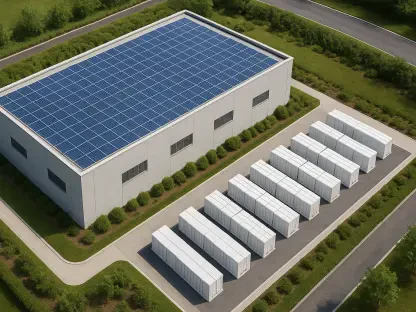
The realization that network stability is inextricably linked to broader environmental and social factors shifted the industry’s focus toward proactive resilience strategies. To mitigate these multifaceted threats, stakeholders prioritized the decentralization of critical infrastructure to reduce the impact of regional grid failures or localized physical breaches. Organizations moved toward adopting hybrid energy solutions, integrating on-site renewable power sources and long-term storage to insulate operations from the volatility of public utilities. Technical teams also developed sophisticated routing protocols that could automatically bypass regions experiencing government-mandated shutdowns, ensuring that cross-border traffic remained fluid during civil unrest. By treating internet uptime as a matter of national security, the global community began to build a more rugged digital framework. These actions reflected a necessary evolution in how the world protects vital information pathways.