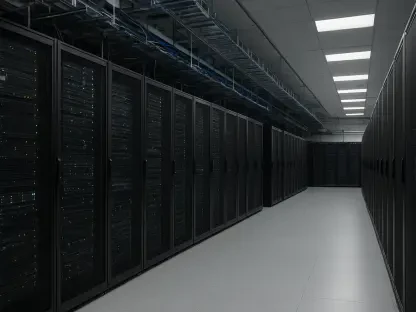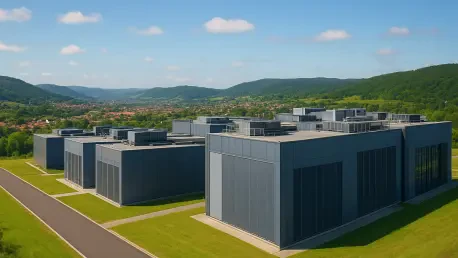

Effective zoning regulations must ensure that massive data hubs are located in industrial areas with generous setbacks to protect the peace of residential neighborhoods. As the digital economy accelerates through 2026, the transformation of former industrial sites into massive technological hubs presents both a challenge and an unprecedented opportunity for regional development. In places like Sherburne County, Minnesota, the decline of traditional power generation is being met with the rise of hyperscale data centers—facilities housing over 5,000 servers and requiring at least 100 megawatts of power. These projects are not merely warehouses for data; they represent a fundamental shift in local tax bases and industrial identity. To successfully integrate these giants, municipalities must navigate a complex landscape of energy demands, environmental standards, and resident concerns. The goal is to balance the immediate need for high-paying trade jobs with the long-term necessity of maintaining a quiet, sustainable living environment for the local population.
Strategic Integration of Hyperscale Infrastructure
Advanced Cooling and Resource Management
Modern hyperscale facilities have evolved beyond the water-intensive designs of the past decade. By implementing sophisticated closed-loop cooling systems, developers can now drastically reduce the burden on municipal water supplies, a critical factor for community approval in 2026. Unlike older evaporative cooling methods that could consume millions of gallons of water daily, these newer systems circulate a fixed amount of refrigerant or water to dissipate heat. This shift addresses one of the primary environmental objections raised by local advocacy groups and ensures that the facility does not compete with agricultural or residential needs for local aquifers. Furthermore, the aesthetic impact of these massive structures is managed through comprehensive screening and landscaping. By prioritizing architectural integration, local governments can ensure that the arrival of a global tech giant does not detract from the scenic value of the surrounding area, turning a potential eyesore into a subdued industrial asset.
Infrastructure Funding and Noise Mitigation
Beyond water usage, the noise footprint of high-density server environments requires rigorous mitigation strategies to prevent disruption in nearby communities. Sound attenuation walls and advanced baffle systems are now standard requirements in industrial zoning permits. These measures, combined with generous setbacks, create a buffer that effectively silences the hum of industrial-scale cooling fans. When developers are held to these strict standards, the friction between technology and residents is significantly minimized. Moreover, the focus has shifted toward ensuring that the energy consumption of these centers does not lead to increased utility rates for the public. A common consensus among planners in 2026 is that the responsibility for funding substation upgrades and high-voltage transmission lines rests solely with the developer. This user-pays model ensures that the substantial infrastructure costs required to support 100-plus megawatt loads are not passed on to local taxpayers, preserving the economic health of the community while facilitating modern industrial growth.
Economic Impact and Community Planning
Labor Markets and Long-Term Fiscal Stability
The economic benefits of hosting hyperscale data centers are most visible through the lens of specialized labor and long-term tax revenue. Drawing parallels to successful models in Virginia, local jurisdictions in Minnesota are now seeing how these centers act as anchors for high-skilled trade employment. During the multi-year construction phases, thousands of jobs are created for electricians, pipefitters, and heavy equipment operators. Once operational, these facilities provide approximately 100 permanent, high-paying positions that sustain local families and support nearby businesses. The tax revenue generated is equally significant, often providing millions of dollars that can be redirected toward public schools, road maintenance, and emergency services without raising property taxes for homeowners. This influx of capital allows smaller counties to invest in modern amenities that were previously out of reach, effectively future-proofing the local economy against the volatility of other industrial sectors that may be in decline as we move toward 2028 and beyond.
Regulatory Frameworks and Future Energy Policy
To maximize these benefits, local officials developed a proactive regulatory framework that required meaningful concessions from tech companies during the negotiation phase. Successful regions implemented a three-pronged strategy that prioritized industrial zoning with strict sound mitigation, the mandatory use of closed-loop cooling technologies, and developer-funded energy infrastructure. Officials recognized that it was vital for communities to evaluate energy policies to ensure reliability, as certain carbon-free standards conflicted with the constant power needs of these facilities. Maintaining existing baseload generation capacity was a key factor in attracting large-scale investment while keeping the grid stable for all users. By remaining firm on these requirements, municipal leaders turned potential controversies into blueprints for sustainable growth. They proved that with clear expectations and strategic planning, the digital backbone of the modern world could coexist harmoniously with the quiet rhythms of suburban and rural life.