
The rapid proliferation of hyperscale data centers in the mid-Atlantic region has created a precarious situation where the demand for seamless digital connectivity is now directly competing with the basic energy needs of residential neighborhoods during peak summer periods. As record-breaking heat waves become an annual fixture along the Eastern Seaboard, the PJM Interconnection, which manages the largest power market in the nation, has found itself navigating operational challenges that were once considered extreme outliers but are now becoming routine. This surge in electricity consumption, primarily driven by the massive processing requirements of modern artificial intelligence and cloud computing, has pushed federal officials to intervene with emergency measures to prevent a total collapse of the regional grid. The resulting tension highlights a critical vulnerability in the American energy landscape, where the ambition of the technology sector appears to be outpacing the physical capacity of the utility infrastructure designed to support it.
Emergency Protocols: Balancing Stability and Environmental Trade-offs
Diesel Deployment: Utilizing Onsite Generators for Grid Relief
In response to the critical shortages facing the PJM grid, the Department of Energy has issued a series of rare emergency orders that permit data centers in Northern Virginia to activate their massive banks of onsite diesel backup generators. These machines, which usually sit idle for the vast majority of the year, serve as a vital safety valve by allowing these massive server farms to disconnect from the public utility system during hours of peak demand. By transitioning to localized power generation, these facilities effectively reduce the strain on the regional transmission network, theoretically protecting millions of residents from the threat of rolling blackouts or brownouts. However, this strategy relies on thousands of industrial-grade engines burning fossil fuels simultaneously across a relatively small geographic area, creating a localized surge in carbon emissions and other pollutants. The scale of this operation is significant, as the sheer density of these facilities means that a single activation event can involve a power output comparable to several traditional power plants.
Regulatory Conflict: Navigating Health and Safety Challenges
While the immediate goal of these emergency protocols is to preserve the integrity of the electric grid, they necessitate a temporary but significant suspension of long-standing environmental protections and air quality standards. These diesel generators are notorious for emitting high levels of nitrogen oxides and fine particulate matter, substances that the Environmental Protection Agency typically regulates with strict oversight to protect public health. The decision by federal authorities to prioritize digital stability over environmental compliance underscores a harsh new reality where the government is forced to make binary choices between infrastructure survival and ecological well-being. This compromise reflects a growing acknowledgment that the current grid is ill-equipped to handle the synchronized demands of a cooling-intensive summer and a processing-intensive tech sector. Consequently, the temporary lift on emissions caps has become a recurring necessity, signaling that the regulatory frameworks of the past are no longer aligned with the energy-intensive demands of the present era.
Forecasting Gaps: Addressing Infrastructure and Local Concerns
Demand Projections: Correcting Energy Prediction Inaccuracies
Utility operators are currently grappling with significant forecasting gaps, as the actual energy consumption of the data center sector consistently exceeds the long-term projections made only a few years ago. The rapid integration of generative artificial intelligence into every facet of the global economy has necessitated a massive increase in power-hungry graphics processing units, which draw significantly more electricity than traditional server hardware. Grid managers who once relied on stable, incremental growth models are now facing sudden spikes in demand that outpace the timeline for building new transmission lines or commissioning cleaner power generation sources. These infrastructure projects often take a decade or more to complete, whereas a massive data center campus can be constructed and brought online in a fraction of that time. This temporal mismatch means that the regional grid is perpetually playing catch-up, leading to a state of chronic fragility where even minor equipment failures during a heat wave can escalate into a full-scale energy crisis that threatens the stability of the entire Eastern Seaboard.
Community Impact: Assessing Local Health and Fairness
The physical manifestations of this energy crisis are increasingly visible to the communities living in the shadow of the world’s largest concentration of digital infrastructure, often referred to as Data Center Alley. Residents in Northern Virginia have reported seeing dark plumes of exhaust rising from the exhaust stacks of backup generators during peak heat events, sparking intense debates over the environmental justice of these operations. With thousands of these diesel units permitted in close proximity to elementary schools, parks, and residential neighborhoods, the health implications of frequent emergency activations have become a central point of contention. Local advocates argue that a handful of communities are being forced to bear the respiratory burden of the global internet, as the backup systems required to keep the cloud afloat emit pollutants directly into their air. This tension has transformed a technical infrastructure issue into a socio-political conflict, where the convenience of the digital world is weighed against the lived experience of those on the front lines of its physical expansion.
Policy Conflict: The Future of Technological Growth
Industrial Expansion: Negotiating Digital Infrastructure Needs
Industry leaders often frame their reliance on onsite backup power as a responsible measure of last resort, emphasizing that these systems are essential for protecting the integrity of critical digital services that the entire nation depends on. They argue that data centers are not merely passive consumers of energy but active participants in grid reliability through their ability to shed load during times of extreme stress. However, this narrative is increasingly challenged by policymakers who question whether the tech industry is doing enough to invest in the very infrastructure it is straining. The ongoing friction highlights a fundamental struggle within national energy policy, which seeks to transition the country toward carbon-neutral power while simultaneously accommodating a massive expansion of energy-intensive industries. As the gap between available renewable energy and the total demand from data centers continues to widen, the political pressure to find a sustainable middle ground has reached a fever pitch, with some calling for a temporary moratorium on new developments.
Sustainable Evolution: Implementing Resilient Energy Systems
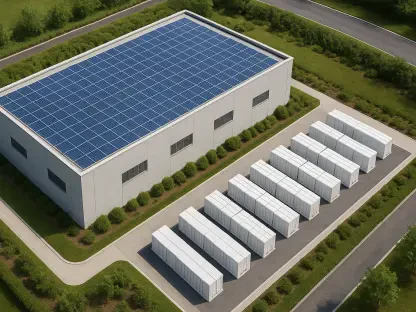
Stakeholders eventually realized that the path forward required a radical reimagining of the relationship between industrial consumers and the utility providers that served them. It became evident that simply reacting to crises with emergency waivers for diesel emissions was not a sustainable long-term strategy for a modern economy. Forward-thinking jurisdictions began prioritizing the integration of distributed energy resources, such as industrial-scale lithium-ion battery arrays and small modular reactors, to provide the necessary redundancy without the associated air quality degradation. Furthermore, the implementation of more sophisticated demand-response programs allowed for a more harmonious synchronization between grid load and server activity. By shifting the focus toward decentralized, carbon-neutral microgrids, the industry took the first concrete steps toward decoupling digital growth from grid instability. These initiatives provided a blueprint for other regions to follow, ensuring that the infrastructure supporting the global internet evolved in a way that protected both the reliability of the power supply and the health of local populations.