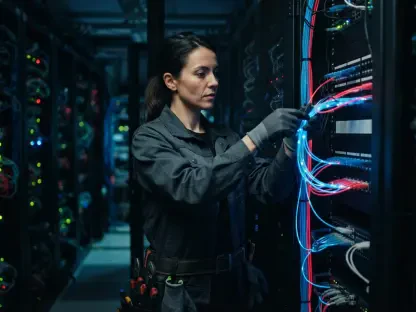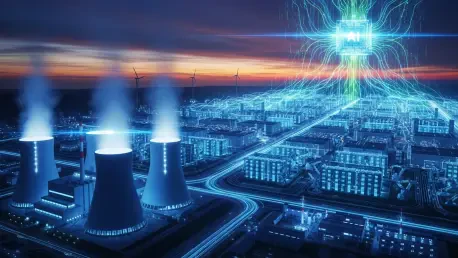

The global landscape of digital infrastructure is undergoing a radical metamorphosis as the demand for high-performance computing forces a total reimagining of how data centers are powered and built. This structural evolution is driven by the emergence of AI factories, which represent highly specialized, high-density computing environments where every component, from the electrical substation to the liquid-cooling manifolds, is designed as a single, cohesive system. Recent developments, particularly NVIDIA’s massive infrastructure commitments and pioneering partnerships in the nuclear energy sector, demonstrate a clear trend where power procurement is no longer just a utility cost but the primary strategic driver of the digital economy. By moving away from the aging, overstressed utility grids of previous decades, industry leaders are securing the future of compute through massive financial investment and specialized engineering. This proactive move ensures that the next generation of GPU clusters will have optimized environments ready for immediate deployment. The goal is simple but incredibly difficult to execute: bypassing traditional constraints to maintain the rapid pace of technological growth while mitigating the systemic energy risks that threaten to stall development.
Scaling Beyond the Grid: The Strategic Shift in Infrastructure
NVIDIA has fundamentally transitioned from being a hardware supplier to serving as a foundational anchor tenant for some of the largest infrastructure projects in history, most notably through its involvements at the massive Beacon Point campus in Texas. This specific project showcases the scale of modern ambitions, involving unprecedented 15-year lease agreements that carry a projected total value of more than $50 billion if all renewal options are eventually exercised by the participants. By utilizing its immense balance sheet strength and high-quality credit, NVIDIA provides the financial backbone necessary to derisk these multi-billion-dollar construction cycles, essentially guaranteeing the occupancy and revenue that developers need to secure funding. This strategic shift allows the company to lock in access to increasingly scarce power resources before competitors can even identify suitable land for development. It marks a departure from the traditional philosophy of the past, replaced by a model where the tenant dictates the design and energy strategy long before the first shovel hits the ground. This level of financial commitment reflects a deep understanding that the bottleneck for AI is no longer the silicon itself, but the physical environment required to house and power it at scale.
At the heart of this physical transformation lies the DSX reference architecture, a framework that treats an entire data center campus as a singular, giant computing machine rather than a collection of disconnected servers. This model integrates specialized electrical distribution systems with advanced liquid-cooling technologies that are specifically engineered to manage the intense thermal loads generated by next-generation hardware. By redesigning data halls from the ground up around this architecture, developers have successfully reported capacity increases of over 50% within the same physical footprint, significantly maximizing the performance extracted from every available megawatt of power. This technical integration ensures that there is no wasted space or energy, allowing for much higher rack densities than were ever possible in traditional enterprise facilities. The move toward integrated cooling and power distribution also reduces the complexity of managing these sites, as the entire stack is standardized and optimized for high-performance workloads. Such engineering feats are necessary because traditional air-cooling methods are simply incapable of dissipating the heat produced by modern clusters. By mastering these environmental variables, companies are effectively future-proofing their investments against the inevitable increases in chip power consumption.
Advanced Energy Solutions: The Nuclear Path to Independence
Parallel to the massive grid-connected projects is a growing movement toward complete energy independence through the adoption of modular nuclear technology, a trend led by innovators like Aalo Atomics and Crusoe. This partnership aims to co-locate zero-carbon power generation directly with high-density compute clusters, effectively removing the traditional utility middleman and the associated transmission delays. Their current roadmap includes a 2027 demonstration at a major national laboratory, which is designed to prove that intensive AI workloads can be reliably sustained by small, advanced nuclear reactors in a real-world setting. This proof of concept is critical for convincing skeptical regulators and local communities that localized nuclear power is a safe and efficient solution for the digital age. By bypassing the aging transmission lines that currently limit data center expansion, these companies can deploy capacity in locations that were previously considered unviable for large-scale industrial use. This strategy not only solves the immediate power shortage but also provides a stable, long-term price for energy that is insulated from the fluctuations of the broader electricity market. As the demand for 24/7 clean energy grows, this model of nuclear AI is becoming the gold standard for sustainable and scalable digital growth.
The long-term vision for this localized energy strategy involves the deployment of Aalo Pods, which are 50-megawatt nuclear power plants designed for rapid, on-site installation at data center campuses. This modular approach allows for incremental scaling, enabling developers to add both power and compute capacity in tandem as market demand continues to grow without waiting years for massive grid upgrades. Unlike traditional large-scale nuclear plants that take decades to build, these smaller reactors are designed for factory production and standardized site assembly, which dramatically reduces the time to market. This decentralized energy model provides a level of resilience that traditional grid connections cannot match, as each cluster operates on its own dedicated and reliable power source. While navigating the complex regulatory hurdles and establishing a secure fuel supply chain remain significant challenges, the pursuit of energy-independent compute is attracting massive capital from the largest tech sectors. Investors see this as a way to decouple technology growth from the limitations of public infrastructure, creating a self-sustaining ecosystem for high-performance computing. This shift represents a fundamental change in how we think about the relationship between energy production and digital consumption, placing them in the same physical and financial container.
Industrialized Deployment: Creating the Template for AI Success
A manufacturing mindset has begun to dominate the infrastructure industry, focusing on repeatable and factory-based designs for both the physical data centers and the power sources that feed them. NVIDIA’s move to provide standardized reference designs for its hardware environments, combined with the modular nature of advanced nuclear reactors, reflects a broader push to industrialize what was once a highly customized and fragmented build-out process. This level of standardization is intended to improve long-term reliability and significantly speed up the deployment of high-density environments, which are far more complex to build than the enterprise facilities of the previous generation. By treating the data center as a manufactured product rather than a unique architectural project, companies can achieve economies of scale and consistent performance across global locations. This industrial approach also simplifies the maintenance and upgrading process, as every facility follows the same blueprint and uses the same core components. As the pace of hardware innovation continues to accelerate, the ability to rapidly build and deploy optimized environments has become a critical competitive advantage. Those who can industrialize their infrastructure pipeline are much better positioned to capture the value of the ongoing AI expansion than those relying on traditional, bespoke construction methods.
In the final analysis, power became the most valuable currency in the technology sector, sparking a strategic land grab for utility capacity and energy innovation that reshaped the industry landscape. The utilization of high-quality credit from technology giants served as the essential engine that allowed developers to undertake projects of this unprecedented magnitude and complexity. These integrated models of power, compute, and finance ultimately determined the pace of artificial intelligence development, ensuring that physical infrastructure finally matched the rapid evolution of software capabilities. Industry leaders who prioritized securing energy independence through nuclear partnerships or multi-decade grid commitments found themselves in a dominant position, while those who waited for traditional infrastructure to adapt were left behind. This era proved that the successful deployment of AI required a holistic view of the stack, moving far beyond the chip to include the very atoms used to generate electricity. Organizations that embraced this vertical integration paved the way for a more resilient and scalable digital future. Moving forward, the focus shifted toward optimizing these AI factories for even greater efficiency, focusing on recycling thermal waste for local industrial use and diversifying fuel sources for modular reactors to ensure permanent energy security. The lesson was clear: control over energy and infrastructure was the only way to guarantee a seat at the table in the digital age.