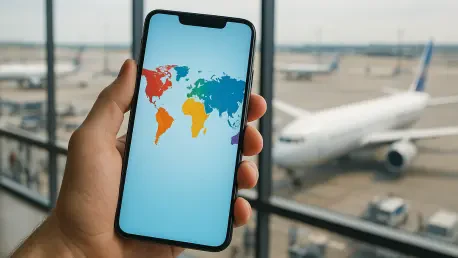

Traditional mobile roaming has long been defined by high costs and restrictive data caps that fail to meet the needs of modern digital travelers. For decades, international connectivity remained a secondary concern for network providers, resulting in a system where travelers were forced to accept whatever terms their domestic carriers dictated. This outdated approach prioritized the provider’s bottom line over the user’s necessity for reliable access, creating a landscape of exorbitant surcharges and limited data pools. However, the current technological landscape has undergone a radical transformation, fueled by the widespread adoption of embedded Subscriber Identity Module (eSIM) technology. This shift has moved mobile access away from archaic, carrier-controlled structures toward a digital, consumer-first model. By treating connectivity as a standard utility rather than a luxury, modern platforms have successfully dismantled the barriers that once prevented seamless global movement, ensuring that information remains accessible across any border.
The Decline of Legacy Roaming Systems
Rethinking the Home Operator Dependency
The historical framework of mobile roaming was built during an era when international travel involved minimal digital interaction, mostly limited to emergency calls or rare text messages. In the current landscape of hyper-connectivity, where remote work and digital nomadism have become mainstream, the smartphone serves as the critical hub for navigation, financial management, and personal safety. Legacy roaming models, which remain tethered to the domestic provider’s infrastructure, are increasingly unable to satisfy these intensive data requirements. These old systems often rely on restrictive daily limits that, once exceeded, lead to massive financial penalties or significantly throttled speeds. This situation has historically forced travelers into a state of digital abstinence, where they were required to monitor every megabyte to avoid the dreaded “bill shock” upon returning home. As global mobility continues to accelerate, these rigid and opaque roaming structures have finally become obsolete.
The Evolution of App-First Connectivity
The rise of the “app-first” connectivity model represents a pivotal turning point in how travelers manage their digital needs while abroad. Much like the digital transformation seen in the airline and hospitality sectors, mobile connectivity is now a service that can be procured, tested, and activated through intuitive software interfaces. Travel eSIMs have placed the power back into the hands of the consumer by allowing them to bypass the traditional carrier middleman entirely. By utilizing a microchip built directly into modern hardware, travelers can remotely download and install multiple carrier profiles without ever needing to swap a physical plastic card. This technological leap allows for a dual-profile setup where the user maintains their original primary phone number for essential calls while simultaneously utilizing a dedicated, cost-effective eSIM for data-heavy applications. This separation of services ensures that connectivity remains both affordable and functionally superior to legacy methods.
Economic Advantages and Technical Reliability
Strategic Value and Transparent Pricing
Evaluating the economic impact of eSIM adoption reveals a stark contrast between traditional mobile plans and specialized digital providers. In many cases, a standard one-week roaming plan from a major domestic carrier in regions like the United States or the United Kingdom might cost upward of fifty dollars for a very limited daily data allowance. In contrast, dedicated eSIM platforms offer far more robust packages, such as unlimited data for the same period at nearly half the price. This significant pricing advantage is largely driven by the implementation of country-based pricing models, which allow users to bypass the arbitrary “zoning” systems typically employed by home operators. By offering transparent, flat-rate pricing, eSIM technology has introduced a level of predictability and fairness that was previously non-existent in the roaming market. This move toward transparency is not merely a marketing tactic but a necessary evolution to meet the financial expectations of contemporary international travelers.
Global Network Redundancy and Switchless Tech
Technical reliability has also seen a significant boost through the introduction of switchless network technology, which has become a hallmark of top-tier eSIM services. Unlike traditional roaming that often relies on a single partner network in a foreign country, advanced eSIM profiles can automatically transition between the strongest available signals from hundreds of different operators. This ensures that a traveler maintains a high-speed connection even when moving between urban centers and more remote geographic areas. The ability to manage these connections through a centralized account further simplifies the user experience, allowing for data sharing across multiple devices or among a group of family members. Furthermore, these platforms provide specialized plans ranging from global packages covering eighty countries to pay-as-you-go models for over one hundred and seventy destinations. This level of versatility ensures that every traveler can find a connectivity solution that fits their specific itinerary and duration.
Strategic Integration into the Global Market
Professional Standards and Reliability
The maturation of the eSIM sector is further validated by its increasing integration into professional and high-stakes environments. For example, the adoption of eSIM technology by major international organizations, such as the World Players Super League, underscores the reliability required for large-scale sports and business logistics. When a professional global entity relies on these digital services to coordinate events across dozens of countries, it signals that the technology has transcended its origins as a budget alternative for casual tourists. These strategic partnerships demonstrate that eSIM profiles can provide the stability and scalability necessary for the most demanding operational requirements. This professional-grade credibility has played a vital role in convincing the broader market that digital-first connectivity is the new standard. As these services continue to expand their geographic reach and technical capabilities, they are effectively setting a benchmark that traditional mobile carriers will struggle to match in the coming years.
Actionable Steps for Modern Global Access
The philosophical shift regarding digital access has finally reached a point where connectivity is viewed as a fundamental requirement for modern life. Industry leaders successfully argued that the ability to share information and communicate across borders should be treated as an ordinary digital service rather than an expensive extra. For those looking to optimize their future travels, the most effective next step involved conducting a compatibility audit of existing hardware to ensure eSIM support. Travelers prioritized the download of management apps well before their departure dates to take advantage of pre-travel testing and early activation. Choosing plans based on specific regional needs rather than broad global strokes also proved to be a highly effective strategy for cost management. By embracing these digital tools, the travel community effectively dismantled the remaining barriers to global communication. This transition ensured that the digital experience finally matched the convenience and flexibility found in every other facet of the modern journey.