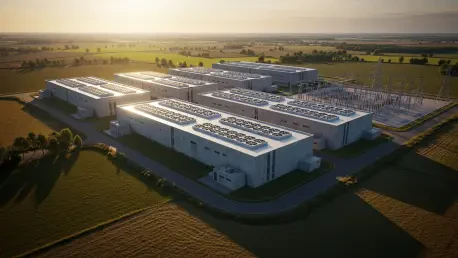

The Texas skyline is increasingly defined by windowless concrete monoliths housing the digital heart of the global economy, yet these massive structures are now at the center of a high-stakes fiscal debate in Austin as legislators reevaluate the generous tax exemptions that lured them. Initially conceived in 2013 as a strategic lever to transform the Lone Star State into a premier technological hub, the data center sales tax exemption program is currently facing unprecedented scrutiny due to its ballooning costs. While early projections suggested a manageable biennial revenue loss of less than $15 million, the reality of the 2026 fiscal landscape has painted a far more staggering picture for state accountants. With the explosive rise of high-performance computing and artificial intelligence, the cost of these incentives is on a trajectory to reach approximately $3.3 billion by the 2028-29 budget cycle. This dramatic fiscal shift has forced a fundamental conversation regarding whether the state is subsidizing a boom that would have occurred regardless of these subsidies.
Evaluating Job Creation: The Question of Market Necessity
A primary point of friction for legislators centers on the remarkably low number of permanent jobs created by these high-tech installations compared to their massive fiscal footprint. Unlike traditional manufacturing plants or corporate headquarters that typically employ thousands of local residents, modern data centers are largely automated environments that operate with skeleton crews. Under current state law, a facility can qualify for millions of dollars in sales tax breaks by maintaining as few as 20 full-time positions, a threshold many critics argue is far too low given the scale of the public investment. Lawmakers are finding it increasingly difficult to justify the loss of billions in potential tax revenue when the direct employment benefits for surrounding communities remain so localized and limited. This disparity has led to calls for a revised return on investment metric that prioritizes broader economic development rather than simply subsidizing the physical expansion of existing tech giants.
Furthermore, the fundamental necessity of these incentives is being questioned as Texas has already become a natural magnet for the digital infrastructure industry. The surge in digital services and the massive computing power required for generative artificial intelligence have made the physical presence of data storage a necessity rather than an optional luxury. With its central geographic location, relatively low land costs, and robust energy production, Texas offers inherent advantages that may make aggressive tax breaks redundant in the current market. Critics within the Senate Finance Committee argue that since the industry is already flocking to the state to meet rising global demand, these expensive subsidies may no longer be required to maintain a competitive edge. This shift in thinking suggests that state resources might be better allocated toward workforce training or traditional infrastructure projects that benefit a wider range of industries, rather than supporting a sector that is already growing.
Addressing Oversight Gaps: Resource and Infrastructure Strain
Beyond the direct financial implications, the lack of rigorous state oversight has become a major concern for officials tasking themselves with managing the state’s budget. Currently, the Texas Comptroller’s office relies heavily on a self-policing model where participating companies report their own investment levels and job numbers without consistent verification. Very few of these facilities have undergone formal state audits since the program’s inception, creating a transparency gap that worries fiscal conservatives and progressives alike. This lack of clear data, combined with the deliberate secrecy often surrounding corporate development plans, makes it nearly impossible for the state to accurately plan for future revenue losses. Without a more robust reporting mechanism, legislators remain in the dark about whether companies are strictly honoring their commitments. Calls for mandatory periodic audits and more stringent reporting requirements are gaining traction as a means to ensure accountability and fiscal responsibility.
Environmental and infrastructure concerns are also rising to the forefront of the discussion as these facilities place an unprecedented strain on local resources. Data centers consume vast amounts of electricity and water, the latter of which is essential for cooling the dense server racks that power modern software applications. Agriculture officials and rural advocates have voiced significant alarm over the potential for these installations to deplete local aquifers in drought-prone regions, potentially jeopardizing the livelihoods of farmers and ranchers. In many rural counties, the sudden arrival of a massive data center can overwhelm existing water and wastewater systems that were never designed for industrial-scale utility consumption. This has led to a growing demand for more stringent regional planning and state-level regulations to protect natural resources. Lawmakers are considering whether to tie future tax incentives to water conservation standards to mitigate these environmental impacts.
Analyzing Grid Reliability: Managing Utility Demand
The impact of these facilities on the Texas electric grid is perhaps the most pressing technical concern facing state planners during the current legislative cycle. Unlike residential consumers or even many industrial facilities that experience peaks and valleys in energy usage, data centers operate with a flat load profile, drawing massive amounts of power 24 hours a day. This constant demand puts continuous pressure on the Electric Reliability Council of Texas to maintain sufficient generation capacity, especially during extreme weather events. As the industry scales to accommodate the processing needs of advanced neural networks, the volume of power required is forcing a reevaluation of how grid expansion is funded and prioritized. There is a burgeoning debate over whether data center operators should bear a greater share of the costs for transmission upgrades. If the state continues to subsidize the arrival of these high-consumption users without addressing grid capacity, it risks compromising the overall reliability for all Texans.
In rural parts of the state, the arrival of data center developments has often been met with a mixture of hope for tax base expansion and fear of irreversible change. While the initial construction phase provides a temporary boost to local businesses and creates short-term labor demand, the long-term reality is often one of increased noise and heavy infrastructure requirements. Local officials in several counties have noted that while the facilities increase the property tax base, the sales tax exemptions significantly reduce the overall benefit to the state’s general fund. This dynamic creates a situation where rural communities may be hosting massive industrial sites that provide little in the way of long-term local employment while simultaneously straining local roads and utility networks. Consequently, there is a push to empower local governments with more authority to negotiate community benefit agreements. These would ensure that data center operators contribute directly to the improvement of the very infrastructure they utilize.
Defining Strategic Success: Lessons from the 2026 Fiscal Review
The political landscape surrounding technology incentives underwent a significant shift as high-level officials recognized the need for a more balanced approach to industrial growth. While the data center program previously enjoyed broad support as a tool for modernization, leadership eventually signaled a need for greater control and a deeper study of local impacts. This skepticism reflected a broader rift between those who prioritized rapid technological growth and those who feared the long-term consequences for the state’s fiscal health and environmental stability. As the 2026 budget discussions progressed, the emphasis shifted from luring companies to managing their presence within the state’s ecosystem. This transition was marked by a desire to ensure that Texas remained a business-friendly environment while simultaneously protecting the interests of taxpayers and the integrity of natural resources. The resulting consensus moved the state away from open-ended tax breaks in favor of more targeted structures.
Legislators moved to establish a comprehensive framework that prioritized long-term sustainability over short-term industrial expansion. They recommended the implementation of dynamic clawback provisions, which empowered the state to recoup tax benefits if facilities failed to meet heightened employment or water-efficiency benchmarks. Furthermore, the focus shifted toward incentivizing data centers to invest in independent power generation, such as on-site solar or battery storage, to alleviate the burden on the public grid. These proactive measures were designed to transform the industry from a passive consumer of resources into an active participant in the state’s energy and water security. By requiring greater transparency and more frequent audits, officials ensured that every dollar of tax relief provided a measurable return to the public. This strategic pivot provided a clear roadmap for other states grappling with the rapid growth of digital infrastructure, proving that technological leadership did not have to come at the expense of preservation.