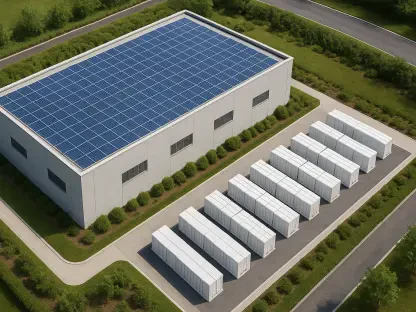

The unprecedented proliferation of massive artificial intelligence data centers has forced Texas regulators and policymakers to reevaluate their previous top-tier priority of unfettered industrial expansion to secure long-term grid reliability. While the state has historically marketed itself as a sanctuary for energy-intensive industries, the sheer scale of the 2026 computational demand surge has pushed the Electric Reliability Council of Texas to its operational limits. This rapid growth, fueled by the global race for generative model training, has triggered a series of legislative maneuvers aimed at curbing the tax benefits and energy access previously enjoyed by tech giants. The current administration has pivoted toward a grid-first strategy, prioritizing residential power stability over the immediate needs of multinational server farm operators. As the state grapples with this paradigm shift, the balance between business-friendly policies and preventing blackouts has become the defining challenge for local authorities.
Grid Management and Economic Shifts
Regulatory Oversight: Protecting the Energy Supply
The Electric Reliability Council of Texas has implemented a mandatory registration process that requires any facility consuming more than seventy-five megawatts to undergo an exhaustive grid-impact study before receiving a permit to connect. This new protocol effectively ends the era of first-come, first-served energy allocation, replacing it with a weighted system that favors projects with significant on-site battery storage or dedicated renewable energy generation. Local utilities have been granted the authority to disconnect these large-scale consumers during peak demand periods without the lengthy negotiation phases that characterized earlier agreements.
By enforcing these stricter guidelines, the state aims to mitigate the risk of frequency instability that occurs when massive server banks fluctuate their power draws in response to high-intensity training workloads. These changes have prompted several technology corporations to reconsider their expansion plans, as the cost of compliance and the risk of forced downtime now outweigh the previous benefits of low-cost Texas electricity. Regulators remain firm in their stance that industrial users must pay their fair share for the infrastructure upgrades required to support their exceptional consumption levels.
Economic Repercussions: Shifting Incentives for Tech Firms
Beyond technical grid requirements, the state legislature has moved to eliminate the broad property tax exemptions that were once the primary incentive for bringing data centers to rural Texas counties. New legislation mandates that any data center project requesting state-level tax abatements must prove a substantial net benefit to the local workforce, a hurdle that many highly automated artificial intelligence facilities struggle to clear. Critics of the previous policy argued that these massive buildings provided minimal long-term employment compared to the enormous strain they placed on resources.
Consequently, the fiscal landscape for digital infrastructure has shifted toward a model where companies must contribute directly to the enhancement of local transmission lines and substation upgrades as a condition of their operation. This shift ensures that the financial burden of industrial growth is carried by the developers rather than the residential taxpayers, effectively restructuring the economic relationship between the tech industry and the state. As investment capital becomes more discerning, only the most efficient and community-integrated projects are likely to secure the necessary state approvals.
Infrastructure Strain and Strategic Planning
Resource Management: The Water and Land Crisis
Environmental considerations have also taken center stage as liquid cooling systems for advanced hardware consume billions of gallons of water in regions already facing frequent drought conditions. State environmental agencies have introduced new restrictions on the use of potable water for industrial cooling, forcing data center operators to invest in more expensive but sustainable dry-cooling technologies or recycled water infrastructure. This regulatory pressure is not limited to water consumption, as local municipal boards have begun enforcing strict noise ordinances to address the constant hum of cooling fans.
The intersection of these environmental and social concerns has led to a more localized opposition to data center construction, with several projects in major corridors facing significant delays or outright cancellations. These developments signal that the era of rapid, unchecked expansion is being replaced by a more measured approach that prioritizes long-term ecological health. Operators are now being held accountable for their total footprint, including the noise pollution and heat islands generated by their facilities, marking a significant departure from the permissive regulatory environment of the previous decade.
Strategic Integration: Future Sustainable Development
Stakeholders eventually realized that the path to sustainable growth required a fundamental redesign of how computational hubs integrated with the broader community and the statewide power infrastructure. The transition toward localized microgrids and the adoption of hydrogen-based backup power sources became the standard for those seeking to maintain a presence in the region without compromising grid stability. State leaders determined that the most successful implementations were those that treated data centers as active participants in energy management rather than passive consumers of a finite resource.
Moving forward, developers were advised to prioritize projects that utilized closed-loop cooling and engaged in proactive partnerships with local utilities to manage load balancing during extreme weather events. By fostering an environment where innovation was coupled with rigorous accountability, Texas established a blueprint for other states facing similar challenges with high-density tech expansion. This strategic realignment ensured that the digital economy could continue to flourish while safeguarding the essential services and the overall quality of life for the state’s growing population.