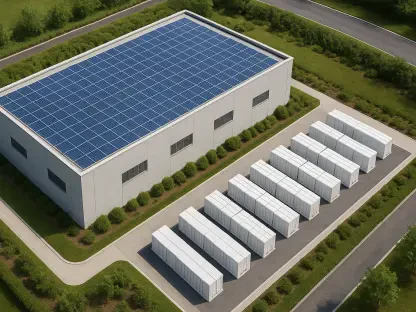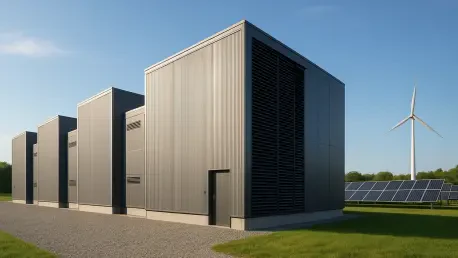

The sprawling complexes that serve as the backbone of our digital existence have transitioned from being ignored utility buildings to some of the most scrutinized pieces of real estate in the modern world. For decades, the data center industry operated within a realm of “invisible infrastructure,” where massive facilities processed global data with minimal public interference. However, in 2026, the narrative has shifted dramatically. The unprecedented surge in Artificial Intelligence (AI) development has strained global energy grids and local water supplies, dragging these computational powerhouses into the legislative spotlight. This transition from unregulated expansion toward a future defined by accountability is not merely a bureaucratic hurdle; it represents a fundamental change in how technology interacts with the physical world and its surrounding communities.
The era of “build first, ask for forgiveness later” has been effectively dismantled by a combination of resource scarcity and localized activism. As AI requires magnitudes more power than traditional cloud computing, the physical footprint of the industry has become too large to hide. Utility providers are increasingly unable to meet the insatiable demand for electricity without compromising the reliability of residential services. Consequently, the industry is navigating a complex landscape where environmental stewardship and social license are as critical to success as technical architecture.
The Global Surge in Data Center Oversight
Growth Trends and Legislative Momentum
Legislative bodies across the United States have moved with surprising speed to address the unchecked growth of high-consumption computing hubs. Currently, 49 states are either analyzing or actively implementing new regulations to manage data center expansion, representing a major shift from previous years when states competed primarily through tax incentives. These new frameworks prioritize grid stability and resource conservation over immediate economic gain. Policymakers are increasingly viewing data centers as industrial entities that must be managed with the same rigor as chemical plants or heavy manufacturing facilities.
The financial consequences of this regulatory pivot are becoming evident in market performance data. During a single quarter in 2026, over 45 major data center projects were stalled or blocked entirely, representing a combined investment value of approximately $68 billion. These delays are rarely the result of a single factor but often stem from a combination of environmental impact reports and failure to secure necessary power permits. For developers, the cost of regulatory non-compliance has evolved from a manageable fee into a project-killing risk that can derail multi-year growth strategies.
Organized community opposition has also reached an all-time high, creating a formidable barrier to entry for new developments. There are now approximately 843 identified community groups nationwide that specifically target data center projects, a significant increase from previous years. These groups have become highly sophisticated, leveraging environmental data and local zoning laws to challenge projects in court. Their concerns typically center on noise pollution, the depletion of local water tables, and the aesthetic impact of massive server halls on suburban landscapes.
Grid reliability has become the ultimate bottleneck for the industry as resource scarcity hits a critical peak. In major hubs like those served by the PJM Interconnection, utility providers have reported that projected energy demands from new facilities are threatening the structural integrity of the power grid. This has forced a complete reevaluation of the “unlimited” power access that hyperscalers once enjoyed. Utility companies are now implementing “readiness” requirements, where data centers must prove they can contribute to grid stability through onsite generation or storage before they are granted a connection.
Real-World Applications of Regulatory Frameworks
California has taken a leading role in this movement, recently passing seven comprehensive bills that fundamentally alter the state’s tech development landscape. These laws mandate that data center operators provide exhaustive, transparent reporting on their water and energy usage metrics. Perhaps most significantly, the legislation removes many of the environmental exemptions that tech developers previously used to fast-track construction. By forcing these facilities to adhere to the same rigorous standards as other industries, the state is prioritizing the preservation of its fragile utility infrastructure.
In Virginia, which remains the largest data center market globally, the newly introduced Data Center Accountability Framework seeks to find a balance between tax revenue and natural resource preservation. The framework requires developers to invest in local water restoration projects and contribute to the modernization of the electrical grid. This model suggests that the future of the industry in high-density hubs depends on a partnership model where the developer takes on the role of a local infrastructure benefactor rather than just a consumer.
Other regions are taking even more drastic measures to protect their resources, such as New York, which has implemented a temporary moratorium on hyperscale projects. This halt allows state officials to conduct a comprehensive assessment of how large-scale computing facilities impact long-term utility planning. Such moratoria are becoming more common as governments realize that the rapid pace of AI expansion can easily outstrip the multi-decade planning cycles of power and water infrastructure. This cautious approach ensures that digital growth does not inadvertently lead to brownouts or water shortages for the general public.
Innovation is also being driven by necessity in international markets, where European heat recapture models are setting a new global standard. In regions like Switzerland, regulations now encourage or mandate that data centers repurpose excess heat to provide warmth for local residential neighborhoods. This turns a waste product into a valuable public utility, significantly improving the social license of the facility. As American regulators look for ways to mitigate the environmental footprint of big tech, these circular economy models are becoming a frequent point of reference in legislative debates.
Industry Perspectives on the Regulatory Shift
The traditional deployment model for digital infrastructure has reached its expiration date according to prominent industry thought leaders. Success in 2026 no longer depends solely on securing a permit; it depends on securing a “social license” through genuine transparency and community engagement. Companies that hide behind proprietary data regarding their resource consumption are finding it increasingly difficult to operate. The new mandate for the industry is to lead with environmental stewardship, treating community concerns as primary design requirements rather than obstacles to be bypassed.
Experts in infrastructure planning suggest that power and water are no longer mere operational costs but have become the primary strategic constraints for AI enterprises. When a single facility can consume as much water as a small city, the availability of that resource determines the fundamental viability of the business. This shift is forcing multi-billion-dollar enterprises to rethink their geographic footprints and investment strategies. In this climate, a site with expensive power but guaranteed long-term access is often more valuable than a site with cheap energy that faces potential regulatory shut-offs.
Because building new capacity has become so difficult, IT leaders are focusing on “squeezing” more productivity out of their existing footprints. This radical optimization mandate involves replacing legacy hardware with high-density server configurations and consolidating workloads to maximize energy efficiency. By focusing on compute density rather than physical expansion, organizations can meet the demands of AI without triggering the regulatory thresholds associated with new construction. This internal efficiency drive is becoming a core competitive advantage for the world’s largest technology firms.
Professional focus is also shifting toward “right-loading” strategies, which prioritize energy-efficient workload placement to avoid unnecessary grid strain. Instead of a “cloud-first” approach where every task is sent to a massive hyperscale facility, organizations are evaluating where each workload can be performed most efficiently. This may involve moving less critical tasks to secondary markets where energy is more abundant or utilizing edge computing to reduce the need for massive centralized processing. This strategic distribution of workloads helps mitigate the risk of localized grid failures and regulatory crackdowns in overcrowded hubs.
Future Implications and Evolution of the Trend
Resource scarcity is expected to accelerate the adoption of advanced technological solutions like liquid cooling and two-phase cooling systems. Traditional air-cooling methods are increasingly seen as inadequate for high-density AI chips and are often too water-intensive to meet modern environmental compliance standards. As regulations tighten, these advanced cooling technologies will transition from niche high-performance computing applications to standard requirements for all large-scale facilities. The engineering focus is shifting toward closed-loop systems that minimize water loss and maximize heat transfer efficiency.
A fierce “efficiency war” is emerging among hardware manufacturers, who are now competing on energy efficiency per compute unit rather than just raw processing speed. To maintain growth in a regulated environment, the industry must decouple AI performance from linear increases in power consumption. Manufacturers are developing specialized accelerators that can perform AI inference with a fraction of the energy required by general-purpose processors. This technological evolution is critical for ensuring that the digital economy can continue to expand without hitting a hard physical ceiling imposed by the power grid.
The regulatory pressure in traditional hubs like Northern Virginia and Silicon Valley is driving a geographic decentralization of the data center industry. Developers are increasingly looking at “secondary markets” where clean energy is more abundant or the local climate allows for more efficient cooling. However, these new regions are likely to adopt similar regulatory frameworks quickly to avoid the infrastructure crises seen in more established markets. This means that geographic moves must be accompanied by a long-term commitment to sustainability rather than just a search for more lax oversight.
As the industry evolves, there is a potential for economic friction if overly restrictive laws lead to a “digital divide” between different regions. States that implement prohibitive compliance costs may lose out on high-tech investment and the associated tax revenue, while those with more balanced frameworks may thrive. Finding the equilibrium between environmental protection and economic competitiveness remains a major challenge for local governments. The long-term winners will be the regions that can provide stable, green infrastructure while maintaining a predictable regulatory environment for investors.
The ultimate evolution of the data center industry points toward a model where facilities are designed as integrated components of urban ecosystems. Instead of being isolated resource consumers hidden behind high fences, the data centers of the future will likely serve as community assets that provide heat, support the grid, and fund local conservation. This integration turns the facility from a perceived liability into a neighborhood benefit. By becoming a proactive part of the solution to climate and energy challenges, the technology sector can ensure its long-term survival in an era of heightened scrutiny.
Summary and Final Outlook
The data center industry experienced a fundamental transformation as it moved away from a period of unregulated expansion. Leaders in the sector recognized that the path to sustainable growth required a radical commitment to transparency and resource management. Organizations that successfully integrated their facilities into the local utility infrastructure found themselves better positioned to navigate the complex web of new state laws. These companies abandoned the traditional “build first” mentality and instead prioritized early community engagement and environmental stewardship.
Technological advancements played a decisive role in mitigating the physical impact of the digital economy on local resources. The widespread adoption of liquid cooling and heat recapture systems allowed operators to meet strict new compliance standards while continuing to support the expansion of artificial intelligence. Hardware manufacturers also contributed by delivering significant improvements in energy efficiency per compute unit. This collective effort helped decouple computational growth from excessive resource consumption, providing a blueprint for the industry’s continued viability.
Regional governments finalized frameworks that balanced economic development with the preservation of essential public utilities. By removing environmental exemptions and mandating detailed consumption reporting, states like California and Virginia created a more predictable landscape for developers and residents alike. The industry shifted its focus toward secondary markets and urban integration, ensuring that data centers functioned as beneficial components of the local ecosystem. These actions collectively ensured that the technological progress of the digital age did not come at an unsustainable physical cost to the planet.