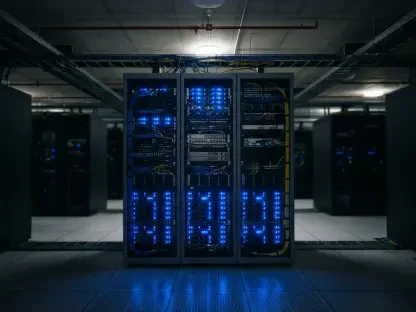

Minneapolis joins a growing list of Minnesota cities, including Hermantown and Pine Island, that are navigating the complex arrival of global tech giants. As the City Council approaches a critical vote scheduled for November 14, 2026, the local debate highlights a significant divide between those prioritizing technological infrastructure and those advocating for community-centric urban spaces. This legislative effort aims to establish a formal regulatory framework for data centers—facilities that house large-scale computer systems and telecommunications equipment. These sites have become a flashpoint for local government due to their high utility consumption, noise output, and minimal permanent staffing requirements. The city is currently working against a ticking clock, as a six-month moratorium on new data center developments is set to expire on November 21, 2026. Without these new regulations, the city would revert to an outdated zoning code that allows such facilities in many districts with simple permits.
Designing a Framework for Urban Integration
The proposed ordinance represents a calculated compromise designed to allow technological growth while protecting the physical fabric of the city. Central to this plan are strict geographic restrictions that would limit new data centers exclusively to existing buildings within the downtown core. By setting a server space cap of 150,000 square feet, the council aims to strike a balance between the expansive needs of tech companies and the planning commission’s preference for smaller, less intrusive facilities. This limit was born from intense negotiations between city staff, who originally suggested 175,000 square feet, and more conservative urban planners who pushed for a 50,000-square-foot maximum. By forcing these operations into the existing downtown skyline rather than allowing them to sprawl into residential neighborhoods, officials hope to maintain the architectural integrity of the city while providing the necessary digital backbone for modern commerce.
To ensure that these buildings do not become “dead zones” of humming machinery, the regulations mandate that data centers be integrated into mixed-use developments. This requirement ensures that human-centric activities, such as retail, office space, or even residential units, continue to exist alongside digital hardware. The council recognizes that the vitality of a city depends on the presence of people, and an entire skyscraper dedicated solely to cooling fans and server racks would detract from the street-level energy of Minneapolis. Additionally, the framework introduces a significant layer of environmental accountability. Any facility exceeding 50,000 square feet will be required to participate in renewable energy programs, directly addressing the massive electricity and water cooling demands inherent in high-density computing. This policy aligns with the city’s broader climate goals, forcing tech giants to offset their heavy carbon footprints by investing in the local green energy grid.
Evaluating Economic Incentives and Public Concerns
The economic narrative surrounding data centers is a primary point of contention among city leaders and various interest groups. Proponents, including several council members and local labor organizations, argue that these projects provide a vital boost to the construction industry at a time when major new developments are relatively scarce. While data centers offer few permanent, high-paying jobs once they are fully operational, supporters emphasize that they generate significant property tax revenue from otherwise vacant or underutilized downtown buildings. The Minnesota AFL-CIO and the Minneapolis Building and Construction Trades Council have actively lobbied for these developments, viewing them as essential infrastructure projects that keep skilled tradespeople employed. In their view, the tax base generated by these “digital warehouses” can fund essential public services, making them a more productive use of space than a derelict office building that contributes little to the city’s overall financial stability.
However, a significant portion of the public and several progressive council members remain skeptical of the perceived trade-offs. During recent community rallies at City Hall and through extensive public comment periods, residents expressed deep concerns over noise pollution and the potential sterilization of downtown neighborhoods. Critics argue that prioritizing space for servers over space for people threatens the long-term social vitality of the city center. For these residents, the influx of data centers represents a shift toward an urban environment designed for the benefit of tech stockholders rather than the local community. An analysis of over 1,600 public comments revealed that nearly half of the respondents favored a complete ban on new centers, citing the “hum” of cooling systems and the lack of foot traffic as primary detractors. The fear is that Minneapolis could lose its soul to a sea of windowless, silent structures that provide no benefit to the average citizen walking the city streets.
Navigating Political Compromise and Future Growth
The path to the current compromise has been heavily shaped by the pragmatic reality of executive power and the threat of a mayoral veto. Mayor Jacob Frey has signaled a clear willingness to reject any ordinance he considers too restrictive, such as an outright ban or the extremely low size caps proposed by some activists. Because the City Council currently lacks the nine-vote supermajority required to override such a veto, members have been forced to seek a middle-path ordinance that the Mayor’s office has indicated it will support. This political balancing act has turned the legislative process into a search for a “livable” restriction that satisfies both labor interests and urban advocates. A recent committee vote resulted in a 6-6 tie on more stringent measures, illustrating the deep internal division within the council. This gridlock has made the compromise ordinance the only viable path forward to ensure some form of regulation is in place before the moratorium expires and leaves the city vulnerable.
Minneapolis’s struggle is not an isolated event but rather part of a larger national trend where local governments are increasingly clashing with tech giants over land use and utility consumption. Across the country and within the state of Minnesota, the rapid expansion of data centers has become a significant campaign issue ahead of the 2026 midterms. From rural communities grappling with the arrival of Google to urban centers managing the rise of artificial intelligence, the demand for processing power is reshaping local politics. By codifying these regulations now, Minneapolis hopes to set a precedent for how a major metropolitan area can integrate the invisible infrastructure of the internet into a historic city center without sacrificing its environmental goals or its commitment to a thriving community. The eyes of urban planners across the Midwest are on the city, as this decision could provide a roadmap for other municipalities facing similar pressure from the cloud computing industry and its appetite for power.
Implementing Solutions for a Sustainable Downtown
The finalized regulatory framework established a clear precedent for how urban centers handle the pressures of the digital age. By adopting a middle-path ordinance, city leaders moved beyond the binary choice of total bans or unregulated growth, opting instead for a model that prioritized mixed-use density and environmental responsibility. Moving forward, the City Council initiated a series of quarterly impact assessments to monitor the noise levels and energy consumption of newly approved facilities. These assessments allowed for real-time adjustments to the zoning code, ensuring that the integration of digital infrastructure remained compatible with the needs of residents. Additionally, the city partnered with local educational institutions to create training programs for the specialized maintenance roles required by these centers, aiming to bridge the gap between temporary construction jobs and long-term employment. These proactive measures ensured that Minneapolis remained a vibrant and highly productive urban environment.