
The lush landscapes and turquoise waters of Shaheed Dweep have long established the island as a premier destination for global travelers seeking serenity, yet a deep-seated digital divide continues to threaten its economic stability and modernization efforts. For years, the local population and the thriving hospitality sector have navigated a landscape of intermittent connectivity and archaic network routing that feels increasingly out of place in an era of rapid technological advancement. While other regions in the Andaman and Nicobar archipelago have transitioned toward high-speed systems, this specific island remains tethered to an unreliable setup that passes through secondary hubs like Shadipur. This indirect configuration causes frequent service blackouts and data speeds that fail to meet the basic requirements of contemporary governance or commercial operations. As the demand for seamless communication grows among both residents and visitors, the pressure on administrative bodies to rectify these systemic flaws has reached a critical boiling point.
Addressing the Technical Bottlenecks of Island Connectivity
The Persistence of Indirect Routing Challenges
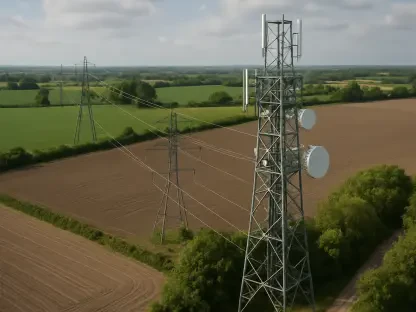
The current telecommunications framework for Shaheed Dweep relies heavily on an indirect routing mechanism that funnels data traffic through a secondary exchange in Shadipur, a method that has proven to be inherently unstable. This technical arrangement creates multiple points of failure where even a minor disruption in the primary link cascades into total communication blackouts for the entire island. Local businesses, particularly those in the tourism industry, find themselves unable to process digital payments or manage online bookings, leading to significant revenue losses and frustrated international guests. The reliance on this outdated architecture highlights a broader issue of neglect regarding the specific geographical needs of remote island territories. Engineers have noted that the signal degradation occurring over these indirect paths results in latency issues that make modern cloud-based services and video conferencing virtually impossible for the local administration to maintain on a consistent basis.
This disparity becomes even more glaring when comparing the current state of Shaheed Dweep with the technological progress observed in neighboring Swaraj Dweep, which has successfully integrated direct optical fibre solutions. While Swaraj Dweep enjoys the benefits of the Chennai-Andaman and Nicobar Islands Submarine Cable, Shaheed Dweep remains trapped in a digital shadows, receiving only leftover bandwidth through unreliable microwave or secondary links. This inequality creates a fragmented economic environment where one island thrives through digital integration while the other struggles to perform basic administrative functions. The local community has expressed growing frustration over this perceived imbalance, arguing that the lack of direct connectivity hinders education, healthcare, and emergency response systems. Without a dedicated connection to the main submarine backbone, the island cannot support the bandwidth-heavy applications that are now standard for public service delivery.
Immediate Technical Interventions and Maintenance Requirements
Facing mounting public pressure, the Member of Parliament Bishnu Pada Ray has formally called upon Bharat Sanchar Nigam Limited to implement immediate technical interventions to stabilize the existing network. The strategy involves a comprehensive overhaul of the current equipment at the local exchanges, focusing on replacing aging hardware that frequently malfunctions under the tropical conditions of the archipelago. By upgrading the local switching systems and improving the power backup facilities, the telecom provider aims to minimize the duration of service outages that currently plague the island daily. These short-term measures are seen as a necessary bridge to maintain functional communications while the more complex process of laying permanent undersea cables is being finalized and approved. However, local technical experts remain skeptical that hardware patches alone can solve the fundamental problem of insufficient bandwidth capacity that stems from the island’s reliance on indirect signal transmission routes.
The advocacy led by MP Ray underscores a significant shift in how digital infrastructure is perceived within the context of island governance, transitioning from a luxury to an essential utility. By escalating the issue to the highest levels of the Union government, including the Communications Ministry, the local leadership is demanding a transparent timeline for infrastructure parity. This political movement is backed by a coalition of local business owners and educators who argue that the current digital isolation is a form of economic disenfranchisement that prevents the island from competing on a global stage. The demand for a direct Optical Fibre Cable link is not merely a request for faster internet; it is a call for a fundamental rebuilding of the island’s economic foundation. As officials monitor the progress of these immediate upgrades, the focus remains on ensuring that the interim solutions provided by BSNL do not become permanent excuses for delaying the more robust infrastructure projects.
Strategic Pathways to Long-Term Digital Sovereignty
Legislative Advocacy and Union Government Involvement
The push for a permanent solution has reached the desk of Communications Minister Jyotiraditya Scindia and Prime Minister Narendra Modi, signaling the strategic importance of the Andaman and Nicobar Islands. Legislative efforts are now focused on securing the necessary budgetary allocations and environmental clearances required to extend the submarine optical fibre network directly to Shaheed Dweep. This high-level involvement suggests that the digital gap is being treated as a matter of national importance, particularly given the archipelago’s role in maritime security and regional trade. By bypassing the bureaucratic hurdles that often delay remote infrastructure projects, the Union government aims to accelerate the deployment of high-capacity data links that can withstand the unique environmental challenges of the Indian Ocean. The proposed direct connection would effectively integrate the island into the national digital grid, providing the same level of service quality found in mainland metropolitan centers.
Integrating a direct Optical Fibre Cable system will fundamentally transform the socio-economic landscape of the island by enabling high-speed data transmission for all sectors. This shift is expected to trigger a surge in digital entrepreneurship, allowing local youth to participate in the global gig economy without having to migrate to larger cities. Moreover, the implementation of direct OFC will facilitate the rollout of advanced e-governance platforms, making it easier for residents to access essential documents and social welfare benefits online. The reliability of a direct link also ensures that the island’s disaster management protocols are significantly enhanced, providing robust communication channels during the monsoon seasons when weather-related disruptions are most common. As the project moves toward the implementation phase, the focus will shift from simple connectivity to optimizing the digital ecosystem to support smart tourism and sustainable development initiatives tailored to the island.
Future Considerations for Infrastructure Sustainability
For the digital infrastructure to be truly effective, it must be designed with the long-term environmental sustainability of the archipelago in mind, ensuring minimal impact on the delicate marine ecosystem. Future considerations must include the use of resilient materials and routing strategies that protect the coral reefs surrounding Shaheed Dweep while maintaining high signal integrity. Furthermore, the local administration must prioritize the training of technical staff to manage and maintain this sophisticated infrastructure within the island’s unique geographic constraints. The transition to a direct OFC system also provides an opportunity to integrate renewable energy sources into the telecom exchanges, reducing the carbon footprint of the digital network. This holistic approach ensures that the technological advancements do not come at the expense of the natural beauty that makes the island a global attraction. Stakeholders are advocating for a model where digital growth and environmental preservation coexist through innovative engineering and strict regulatory oversight.
The recent initiatives taken by the regional leadership successfully highlighted the critical need for a centralized digital strategy that prioritized direct connectivity over temporary technical patches. It was clear that the reliance on secondary routing through Shadipur had become an untenable hurdle for the island’s development. Consequently, the immediate next steps focused on finalizing the technical survey for the direct undersea cable route and securing the final environmental impact assessments. These actions provided a concrete roadmap for bridging the digital gap by shifting the focus toward resilient, high-capacity infrastructure. Moving forward, the integration of high-speed connectivity was positioned as the primary catalyst for economic diversification and improved public service delivery. By addressing these systemic failures through direct legislative advocacy and technical overhauls, the island set a new standard for remote infrastructure management. This approach ensured that Shaheed Dweep was no longer a digital outlier but a fully connected participant in the modern global economy.