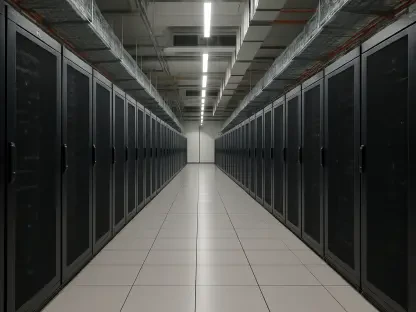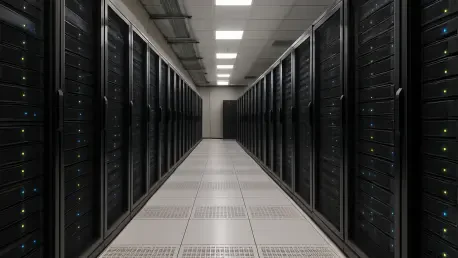

The shift toward sovereign data management and high-density computing has transformed the physical architecture of the Australian digital landscape into a complex network of high-security facilities. NEXTDC stands at the center of this transformation, operating a series of Tier IV certified data centers that bridge the gap between global hyperscale providers and local enterprise needs. As the reliance on artificial intelligence and real-time data processing intensifies, the role of independent infrastructure providers has shifted from simple hosting to becoming essential economic facilitators. This development is not merely about floor space but involves the creation of an interconnected ecosystem where low-latency fiber networks meet massive computational power. By prioritizing carrier neutrality and strategic urban locations, the organization has secured its position as a critical node. The current demand for digital sovereignty ensures that data remains within domestic borders, further solidifying the necessity of robust local facilities that support the nation’s broader cloud strategy.
Strategic Infrastructure: The Foundation of Artificial Intelligence
The acceleration of artificial intelligence adoption from 2026 to 2028 necessitates a fundamental rethink of power density and cooling requirements within the data center environment. NEXTDC has responded by expanding its footprint in major metropolitan hubs, ensuring that the computational overhead required by large language models and predictive analytics can be met without compromising reliability. This expansion is characterized by a commitment to carrier neutrality, which allows clients to choose from a diverse range of telecommunications providers rather than being locked into a single ecosystem. This flexibility is vital for organizations seeking to optimize their hybrid cloud configurations, as it facilitates seamless data movement between private on-premise hardware and public cloud environments like AWS or Azure. By providing the physical foundation for these connections, the firm enables a level of operational resilience that is difficult for individual companies to replicate independently. The focus on high-tier certifications further mitigates the risks associated with downtime.
Future Considerations: Scaling Resilience and Sustainability
Stakeholders recognized that the ongoing maturation of the digital economy required a shift toward more sustainable and energy-efficient data processing solutions. The capital-intensive nature of infrastructure development necessitated a balanced approach to scaling, where environmental considerations matched the technical requirements of the next generation of hardware. Moving forward, the emphasis shifted toward integrating renewable energy sources and advanced liquid cooling technologies to manage the heat generated by dense AI clusters. Enterprises that prioritized these high-performance environments gained a competitive advantage by reducing latency and improving the security of their most sensitive data assets. It became clear that the ability to scale rapidly while maintaining strict adherence to data sovereignty regulations was the primary differentiator. Future strategies suggested that businesses must continue to audit their infrastructure dependencies to ensure compatibility with evolving standards for interconnectivity and operational resilience.