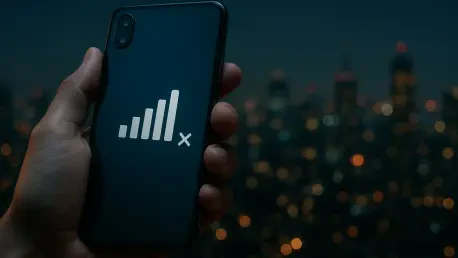

AT&T has issued an urgent advisory for iPhone 18 Pro Max owners to install iOS 27.0.1 after reports surfaced of devices losing the ability to complete emergency 911 calls. This critical connectivity crisis has left thousands of flagship users stranded in a digital dead zone, where the primary function of their expensive hardware is essentially neutralized. The carrier officially acknowledged the widespread bug this week, highlighting that affected handsets are failing to maintain stable connections for voice calls, SMS messaging, and high-speed mobile data. While the iPhone 18 series represents the pinnacle of mobile engineering, the Pro Max variant on the AT&T network is specifically suffering from a glitch that forces the device into a persistent SOS mode. This status prevents users from reaching emergency services, a flaw that has prompted swift intervention from carrier representatives. The situation is particularly alarming given the reliance on mobile devices for safety, as the intermittent loss of signal appears to happen without warning, leaving the handset unable to re-establish a link to the nearest cellular tower despite being in areas with typically excellent coverage.
1. Technical Discrepancies: Identifying the Root of the Failure
The sheer volume of reports regarding the iPhone 18 Pro Max losing signal has surged across community forums and social media platforms, with users describing a frustrating loop where the device cycles through network searches before settling on the dreaded SOS indicator. Although Apple recently released the iOS 27.0.1 update to address general stability, the official documentation surprisingly omits any mention of a specific fix tailored for AT&T network configurations. This discrepancy has led to confusion among the user base, as many who have already applied the patch find that their connectivity issues remain unresolved or even worsen over time. The lack of clarity from the manufacturer has forced AT&T to take a more proactive stance, urging immediate installation while simultaneously investigating why the standard troubleshooting protocols are failing to provide a permanent solution. For those relying on their smartphones for business or personal safety, the uncertainty surrounding this specific software iteration is creating a significant trust gap between consumers and the telecom giant.
A central point of investigation involves the specific hardware architecture found within the U.S. version of the iPhone 18 Pro Max, which differentiates it from other models in the current lineup. Unlike the standard iPhone 18 and the Pro Duo, which utilize Apple’s proprietary C2 modem globally, the American Pro Max variant continues to employ a dedicated Qualcomm cellular modem. This hardware distinction has become a primary suspect for technical analysts, as the connectivity failures seem largely concentrated on this specific model rather than the entire product family. Whether the issue stems from an incompatibility between Qualcomm’s firmware and AT&T’s current 5G network infrastructure or a broader integration error remains a subject of intense debate. This technical divide suggests that the solution may require a more specialized modem firmware update rather than a general operating system patch. Until a definitive root cause is identified, the divergence in hardware continues to be the most logical explanation for why other iPhone 18 variants are not currently experiencing the same level of service disruption.
2. Remediation Protocols: Executing the Recommended Firmware Update
To mitigate the immediate risks associated with the signal loss, AT&T has provided a series of sequential steps designed to ensure the device is running the latest available firmware. Users should first open the device configuration by tapping on the Settings icon located on the home screen to access the core system parameters. From there, it is necessary to navigate to the system options by selecting the General category, which houses the essential management tools for the handset. Once inside the general menu, users must access the firmware refresh section by tapping on Software Update to allow the device to communicate with Apple’s servers and check for any available patches. This initial phase is crucial because it triggers the handset to verify its current build against the most recent security and stability releases. Even if the device indicates that it is up to date, refreshing this page can sometimes pull down small delta updates that contain critical carrier settings aimed at stabilizing the modem’s interaction with the local cellular environment.
After the update has been identified, users must execute the installation by downloading and installing iOS 27.0.1 immediately as directed by the carrier to close the security and connectivity gap. If the device remains stuck in SOS mode or continues to drop calls after the installation is complete, the next step involves seeking professional assistance by contacting carrier support or visiting an Apple Store for hands-on technical help. In some instances, the update may require a secondary restart or a manual reset of the network settings to fully take effect and clear the previous cache of failed connection attempts. Technicians at authorized service centers have tools to perform deeper diagnostics that are not available to the general public, such as testing the physical integrity of the internal antenna or performing a deep-level factory restore. Taking these proactive measures is the only way to ensure that the iPhone 18 Pro Max regains its full functionality and provides the reliable emergency access that users expect from a premium flagship smartphone in the current market.
3. Strategic Resolutions: Future Considerations for Device Stability
In the days following the initial reports, the focus shifted toward a more robust long-term solution as the limitations of the current patch became evident. Stakeholders within the telecommunications industry realized that a single software iteration might not suffice if the underlying issue involved the fundamental way the Qualcomm modem interacted with the specific frequencies utilized by AT&T. Consequently, engineering teams initiated a more granular review of the network settings to identify potential conflicts that were previously overlooked during the pre-launch testing phase. Owners of the iPhone 18 Pro Max were advised to maintain a vigilant stance, as the immediate application of iOS 27.0.1 served as a temporary bridge while more comprehensive fixes were developed. The experience highlighted the vulnerabilities inherent in the rapid transition to eSIM-only devices and the complexities of managing diverse hardware modems across different global regions. This period of instability necessitated a more direct line of communication between the carrier and its customers to prevent a loss of confidence.
To prevent future disruptions, users were encouraged to adopt a more systematic approach to device maintenance by prioritizing carrier settings updates alongside standard operating system refreshes. It was recommended that individuals experiencing persistent signal failures document the specific times and locations of the outages to provide technicians with the data needed to map out potential network dead zones or interference patterns. Furthermore, the crisis served as a reminder of the importance of having alternative communication methods, such as enabling Wi-Fi calling as a redundant safety measure when cellular connectivity faltered. Moving forward, the expectation was that more frequent and transparent updates from both Apple and AT&T would become the standard to ensure that critical features like 911 access remained uninterrupted. By taking these actionable steps, users took control of their digital safety and ensured their hardware remained optimized for the evolving demands of the 2026 mobile landscape. The transition toward more integrated hardware and software testing protocols became the primary takeaway for the industry.