
The debut of ThurayaTwo marks a significant shift in satellite communication by delivering data throughput speeds of up to 120kbps, establishing a new performance benchmark for geostationary handsets. This advancement arrives at a critical juncture when the demand for seamless communication in remote areas is surging beyond simple text messaging and basic voice calls. Developed by the Abu Dhabi-based AI-powered SpaceTech pioneer Space42 and South Korea’s Asia Pacific Satellite Inc. (APSI), this device represents a sophisticated fusion of traditional smartphone utility and robust satellite reliability. By moving away from the bulky, limited-functionality handsets of the past, the partners have created a tool that feels familiar to modern users while providing a vital link to the global digital economy from the most isolated corners of the Earth. The production phase began in November 2026, setting the stage for a release that promises to redefine how field teams, emergency responders, and international travelers maintain their digital presence. This initiative reflects a broader strategic vision to bridge the digital divide through advanced technology, ensuring that geographical barriers no longer dictate the quality of a person’s or organization’s connectivity. As the world moves closer to the commercial launch in 2027, the focus remains on delivering a product that balances high-speed performance with the rugged durability required for mission-critical operations.
High-Performance Hardware and Seamless Hybrid Connectivity
The ThurayaTwo distinguishes itself by integrating consumer-grade aesthetics with industrial-grade durability, ensuring that users do not have to compromise on functionality when operating in the field. At the heart of its user interface is a 6.67-inch AMOLED display that provides high-resolution clarity for mapping, data visualization, and multimedia content. This is complemented by a robust camera system, featuring a 50MP primary sensor and a 32MP front-facing camera, which allows field professionals to document conditions or conduct high-fidelity video calls even in environments devoid of traditional infrastructure. To support these energy-intensive features, the device includes a removable 4,500 mAh battery, a critical design choice for users who may be away from power sources for extended periods. Furthermore, an IP67 rating ensures the phone remains operational despite exposure to significant dust or water, making it a reliable companion for expeditions in deserts, rainforests, or offshore platforms where equipment failure is not an option.
Beyond its physical attributes, the smartphone’s primary technological leap lies in its dual-mode hybrid connectivity model, which effectively eliminates the “dead zones” associated with terrestrial networks. By utilizing a dual-SIM configuration, the ThurayaTwo allows for a fluid and often transparent transition between satellite links and terrestrial 4G or 5G services. This means that as a user moves from an urban center into a remote wilderness, the device can automatically switch to the Thuraya-4 geostationary network to maintain a stable connection. This capability is not just about convenience; it is a vital safety feature for logistics fleets and research teams who require “always-on” access to navigation and communication tools. By merging the high-speed benefits of modern cellular infrastructure with the expansive coverage of satellite technology, the ThurayaTwo establishes a new paradigm for mobile communications where the underlying network architecture becomes invisible to the end-user, providing a consistent experience regardless of location.
Specialized Variants for Commercial and Government Use
Recognizing that different sectors have unique operational requirements, the production strategy for the ThurayaTwo involves two distinct hardware variants tailored to specific user groups. The commercial version is designed for industries such as energy, environmental conservation, and global logistics, where the primary goal is maintaining productivity in underserved regions. For a mining operation in a remote mountain range or a maritime crew in the middle of the ocean, this device serves as a portal to the digital world, allowing for the use of data-heavy enterprise applications and real-time multimedia exchange. This model focuses on bridging the gap between the field and the headquarters, ensuring that data collected on-site can be uploaded immediately, thereby accelerating decision-making processes and improving overall operational efficiency. It represents a move toward the democratization of high-speed connectivity, making professional-grade satellite tools accessible to a wider range of private-sector entities.
In contrast, the government-grade variant of the ThurayaTwo is fortified with specialized security protocols designed for the high-stakes environments of defense, national security, and emergency response. This model prioritizes the integrity and confidentiality of communication above all else, featuring boot-level system authentication that verifies the device’s software every time it is powered on. Physical anti-tamper safeguards are also integrated to detect and prevent unauthorized hardware interference, a critical feature for personnel operating in contested or high-risk zones. With advanced encryption layers and specialized software barriers, the government version provides a secure platform for handling classified information and coordinating complex field operations. This dual-track approach ensures that while commercial users benefit from enhanced speed and usability, public security agencies can rely on a device that meets the most stringent requirements for mission-critical reliability and data protection in the face of evolving cyber threats.
Technical Infrastructure of the Thuraya-4 Network
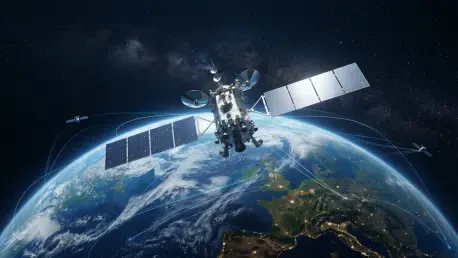
The operational efficacy of the ThurayaTwo is fundamentally tied to the Thuraya-4 satellite, which stands as one of the most technologically advanced mobile communications satellites currently in orbit. This satellite provides the necessary backbone for secure and stable connectivity across a massive geographic footprint that covers more than 160 countries throughout Europe, Central Asia, the Middle East, and Africa. The satellite’s advanced beam-forming capabilities and increased capacity allow it to support the 120kbps data speeds that define the ThurayaTwo’s performance. By leveraging this existing and highly reliable geostationary infrastructure, Space42 ensures that its new handset can provide a dependable lifeline even in the most isolated or infrastructure-poor regions of the world. The stability of a GEO-based system is particularly valuable for applications that require a consistent link, such as VoIP calls or large file transfers, which can be disrupted by the intermittent handovers sometimes associated with other satellite architectures.
Furthermore, the synergy between the ThurayaTwo handset and the Thuraya-4 network is a central pillar of Space42’s “Smart Solutions” strategy, which integrates raw connectivity with sophisticated AI-powered insights. This ecosystem allows for a more responsive user experience, where the network can intelligently manage data traffic to ensure that critical applications receive priority. For users on the ground, this means that their device is not just a passive receiver of signals but an active participant in a high-tech data environment that utilizes geospatial intelligence and real-time monitoring. This infrastructure-heavy approach ensures that the ThurayaTwo is not an isolated product but part of a resilient, comprehensive system capable of supporting the next generation of mobile satellite services. As satellite technology becomes increasingly integrated with artificial intelligence, the Thuraya-4 network provides the stable foundation necessary to turn raw data into actionable intelligence for users across its vast coverage area.
Strategic Partnership and Regional Innovation
The successful development and production of the ThurayaTwo is the result of a long-standing and deeply integrated partnership between Space42 and APSI, a collaboration that has spanned more than two decades. This relationship combines the strategic vision and AI capabilities of the UAE-based Space42 with the world-class manufacturing and engineering expertise of South Korea’s Asia Pacific Satellite Inc. APSI’s experience in mass-producing satellite communication terminals, particularly following its integration into the CONTEC Space Group, has provided the technical precision required to bring such a complex hybrid device to market. This partnership serves as a model for international cooperation in the aerospace sector, merging different regional strengths to create a product that can compete on a global scale. For Space42, working with a partner like APSI allows them to translate their ambitious non-terrestrial network strategies into a tangible consumer product that meets rigorous international quality and performance standards.
This collaboration also highlights the UAE’s growing influence as a hub for SpaceTech innovation and its commitment to developing a diversified, knowledge-based economy. Space42, supported by major national entities like G42 and Mubadala, is at the forefront of this movement, utilizing its satellite fleet and geospatial data to provide services to 90% of the world’s population. The production of the ThurayaTwo is a key milestone in this journey, demonstrating that the UAE can lead the way in creating high-tech solutions that have a global impact. By focusing on the intersection of space technology and artificial intelligence, Space42 is not just providing a means of communication; it is building a data-centric ecosystem that empowers organizations to operate more intelligently and safely. The partnership with APSI ensures that this vision is backed by hardware that is as innovative as the software and satellite networks it connects to, solidifying the role of both companies as leaders in the fast-evolving telecommunications landscape.
Actionable Insights: The Future of Integrated Satellite Systems
The transition toward hybrid satellite-terrestrial systems became a reality as organizations recognized the limitations of relying solely on ground-based infrastructure. Forward-thinking enterprises moved to integrate devices like the ThurayaTwo into their standard operating procedures to ensure that field teams remained connected during natural disasters or in regions where terrestrial networks were compromised. This proactive approach to connectivity management allowed companies to maintain operational continuity and prioritize the safety of their personnel regardless of local conditions. Security experts also emphasized the importance of adopting hardware with built-in anti-tamper and encryption features, noting that the protection of satellite data became just as critical as the protection of traditional office networks. By viewing satellite connectivity as a fundamental utility rather than an emergency backup, these organizations positioned themselves to thrive in an increasingly interconnected and unpredictable global environment.
Looking ahead, the successful deployment of high-speed satellite handsets demonstrated that the digital divide could be effectively bridged through strategic investment in both space infrastructure and user-end hardware. Stakeholders in the telecommunications industry observed that the convergence of AI, geospatial data, and satellite links created a new standard for mobile productivity. Governments and the private sector were encouraged to continue investing in these integrated technologies to support global development goals and enhance disaster resilience. The lessons learned from the production and rollout of the ThurayaTwo provided a clear roadmap for future developments, suggesting that the next generation of connectivity would be defined by its ability to remain transparent, secure, and accessible to all. As the technology matured, the emphasis shifted toward optimizing the vast amounts of data being transmitted, ensuring that every byte contributed to a better-informed and safer world.