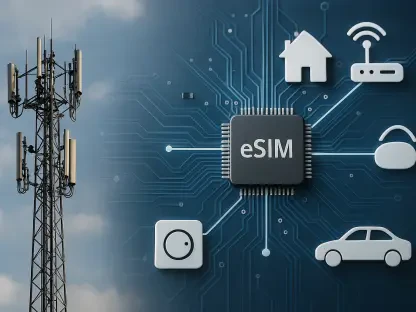

The traditional boundaries separating financial institutions from telecommunications providers have effectively dissolved as consumers demand a more unified digital existence. This shift is most recently exemplified by the launch of a dedicated eSIM service by Monzo, which integrates mobile data connectivity directly into its existing banking ecosystem. By removing the friction associated with physical SIM cards and traditional carrier contracts, the bank is positioning itself as a central hub for more than just monetary transactions. This development represents a calculated move to capture a larger share of the digital nomad and frequent traveler markets, providing seamless access to international data plans without the need for external hardware. As the market for digital-first services continues to mature throughout 2026, the inclusion of telecommunications features marks a significant evolution in what it means to be a modern financial service provider.
Expanding the Ecosystem: Banking Meets Connectivity
The technical execution of this eSIM integration relies on the inherent flexibility of embedded SIM technology, which allows users to download and activate a cellular profile via software. Within the Monzo app, the process is designed to be nearly instantaneous, leveraging the pre-verified identity of the bank account holder to bypass the standard credit checks required by traditional mobile network operators. This streamlined onboarding process is not merely a convenience but a strategic effort to lower the barrier to entry for users who might otherwise be deterred by the complexities of international roaming or local carrier registrations. By serving as an intermediary, the bank utilizes its existing infrastructure to provide a service that feels like a natural extension of its digital interface. This approach ensures that connectivity is managed with the same level of oversight that customers expect from their financial portfolios.
Beyond the technical convenience, the move addresses a specific economic pain point for global travelers who frequently encounter exorbitant roaming fees or the hassle of purchasing temporary local SIM cards upon arrival in a new country. The service offers a range of data packages that can be activated immediately across various international borders, ensuring that users remain connected from the moment they land. This utility transforms the banking application into a multifaceted tool that supports the practicalities of travel, further embedding the brand into the daily lives of its users. By offering competitive rates and a transparent billing structure settled directly from the user’s account, the institution effectively eliminates the uncertainty of hidden costs associated with traditional mobile providers. This integration reflects a broader trend toward consolidated service platforms where consumers manage their communication through a single digital gateway.
Strengthening Security: Strategic Utility and Growth
Security remains a paramount concern in the digital age, especially as SIM-swapping attacks have become a prevalent method for bypassing multi-factor authentication in sensitive financial accounts. By housing the management of the eSIM within the high-security environment of a banking application, this service introduces a layer of protection that is inherently more robust than the standard protocols used by most telecommunications companies. Users should leverage these biometric verification steps to ensure that any changes to their mobile profile are authorized by the actual account holder, reducing the risk of identity theft. It is advisable to explore the specific coverage maps and data speeds provided by the new service to ensure they meet professional requirements. Adopting this integrated model necessitates a heightened focus on device security, as the smartphone effectively becomes both a financial terminal and a primary communication hub.
The strategic rollout of this eSIM service successfully bridged the gap between personal finance and digital accessibility for thousands of customers. The initiative demonstrated that a banking application could serve as a reliable foundation for essential utility services, challenging the dominance of traditional telecommunications companies. Many industry observers noted how the move forced legacy carriers to reconsider their own roaming structures and customer service models to remain competitive. The adoption rates among younger, tech-savvy demographics confirmed that the demand for integrated, friction-free services was higher than previously estimated. As other financial institutions monitored the success of the program, the industry began to shift toward a more holistic view of the consumer’s digital footprint. The transition helped establish a new standard for how financial services interacted with the broader technological landscape.