
In the high-stakes environment of modern healthcare, a momentary loss of data transmission is no longer just a technical glitch but a critical failure that can jeopardize patient safety and clinical outcomes. This paradigm shift has fundamentally altered how manufacturers approach the design phase of medical technology, moving away from viewing communication as a peripheral feature to treating it as a core therapeutic function. As healthcare systems globally struggle with escalating patient backlogs and a shortage of specialized clinical staff, the demand for devices that can autonomously report status and health metrics has reached an all-time high. The traditional model of periodic, in-person check-ups is being replaced by a persistent, data-driven oversight mechanism that relies entirely on the stability of the connection between the patient and the provider. Consequently, the industry is seeing a total re-evaluation of what constitutes a reliable medical tool, where the software-defined link is prioritized just as much as the physical integrity of the hardware itself.
Shifting Paradigms: From Hardware to Hybrid Ecosystems
The Transition: From Secondary Features to Integrated Systems
The architecture of medical devices has underwent a radical transformation, moving from isolated tools into nodes within a sophisticated, interconnected digital ecosystem. In the past, connectivity was often treated as a marketing gimmick or a secondary luxury, but the current clinical landscape demands that every diagnostic or therapeutic tool serves as a source of continuous intelligence. This evolution is driven by the necessity of providing proactive care, where practitioners utilize real-time telemetry to adjust treatment protocols without the patient ever needing to step foot in a hospital. By embedding communication protocols directly into the silicon of these devices, manufacturers are creating a seamless flow of information that empowers clinicians to perform their roles with unprecedented precision. This structural change signifies that the value of a device is no longer found solely in its physical components, but in the actionable insights it generates through its persistent link to the broader healthcare network.
Embedded Intelligence: Building Resilience Directly into Devices
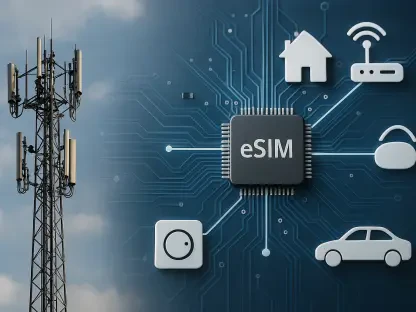
A critical component of this technological shift is the move away from fragile external links toward embedded, medical-grade communication hardware that operates independently of consumer infrastructure. Historically, the reliance on a patient’s smartphone or home Wi-Fi introduced significant vulnerabilities, as a simple software update or a forgotten password could sever the vital link between a patient and their care team. To solve this, developers are now integrating dedicated cellular modules and eSIM technology directly into the devices, ensuring they remain online from the moment they are powered on. This “always-on” capability is essential for high-risk applications, such as wearable defibrillators or insulin pumps, where a delayed data packet could have life-altering consequences. By treating the connection as an inseparable part of the device’s hardware, manufacturers are effectively eliminating the most common points of failure, providing a level of reliability that matches the rigorous standards of the clinical components themselves.
Global Standards: Redefining Safety Through Constant Connection
Clinical Impact: Protecting Patients and Data Across the Globe
The clinical evidence supporting the necessity of persistent connectivity is overwhelming, particularly in the management of chronic conditions and the deployment of life-saving interventions. Recent studies indicate that remote monitoring of patients with implanted cardiac devices can lead to a sixty percent reduction in mortality rates when the connection remains active and reliable. This statistic highlights that the network link is not merely a convenience but a vital component of the therapeutic intervention that directly influences survival outcomes. In an era where healthcare systems are increasingly focused on value-based care, the ability to detect an emergency before it escalates into a catastrophic event is the gold standard of clinical excellence. Consequently, the connectivity module within a device is now subject to the same rigorous validation and verification processes as the primary clinical function, ensuring that the alert reaches the medical team even in the most challenging environments.
Operational Efficiency: Scaling Care Through Digital Transformation
Beyond the immediate benefits to individual patient health, mission-critical connectivity serves as a powerful tool for optimizing the operational efficiency of entire healthcare organizations. The ability to monitor thousands of devices simultaneously from a centralized dashboard allows hospital systems to allocate their limited resources more effectively, focusing their attention on the patients who require urgent care. This data-driven triage system significantly reduces the volume of unnecessary hospital visits and allows clinicians to manage larger patient populations without a corresponding increase in workload. As the industry moves toward a more sustainable model of care, the role of connected technology in streamlining workflows cannot be overstated. When devices handle the routine task of data collection and transmission, medical professionals are freed to focus on high-level clinical decision-making, which ultimately improves the quality of care for everyone and ensures the long-term viability of modern health systems.
Actionable Strategies: Securing the Future of Connected Care
The transition to mission-critical connectivity demanded a fundamental shift in how manufacturers designed and maintained their technological ecosystems to ensure patient safety and operational continuity. It was no longer sufficient to treat the communication link as a separate layer; instead, the most successful organizations prioritized the integration of resilient, embedded connectivity from the very first stages of product development. These companies invested heavily in multi-layered security protocols and global roaming capabilities, which allowed them to offer consistent care across diverse geographic regions while maintaining strict compliance with evolving data privacy standards. By moving away from fragile, consumer-dependent connection models, the industry successfully reduced mortality rates and improved the quality of life for millions of individuals suffering from chronic conditions. The lessons learned during this period of rapid digital transformation provided a roadmap for future innovations, emphasizing that the strength of the data link was just as vital as the clinical efficacy of the medical hardware itself.